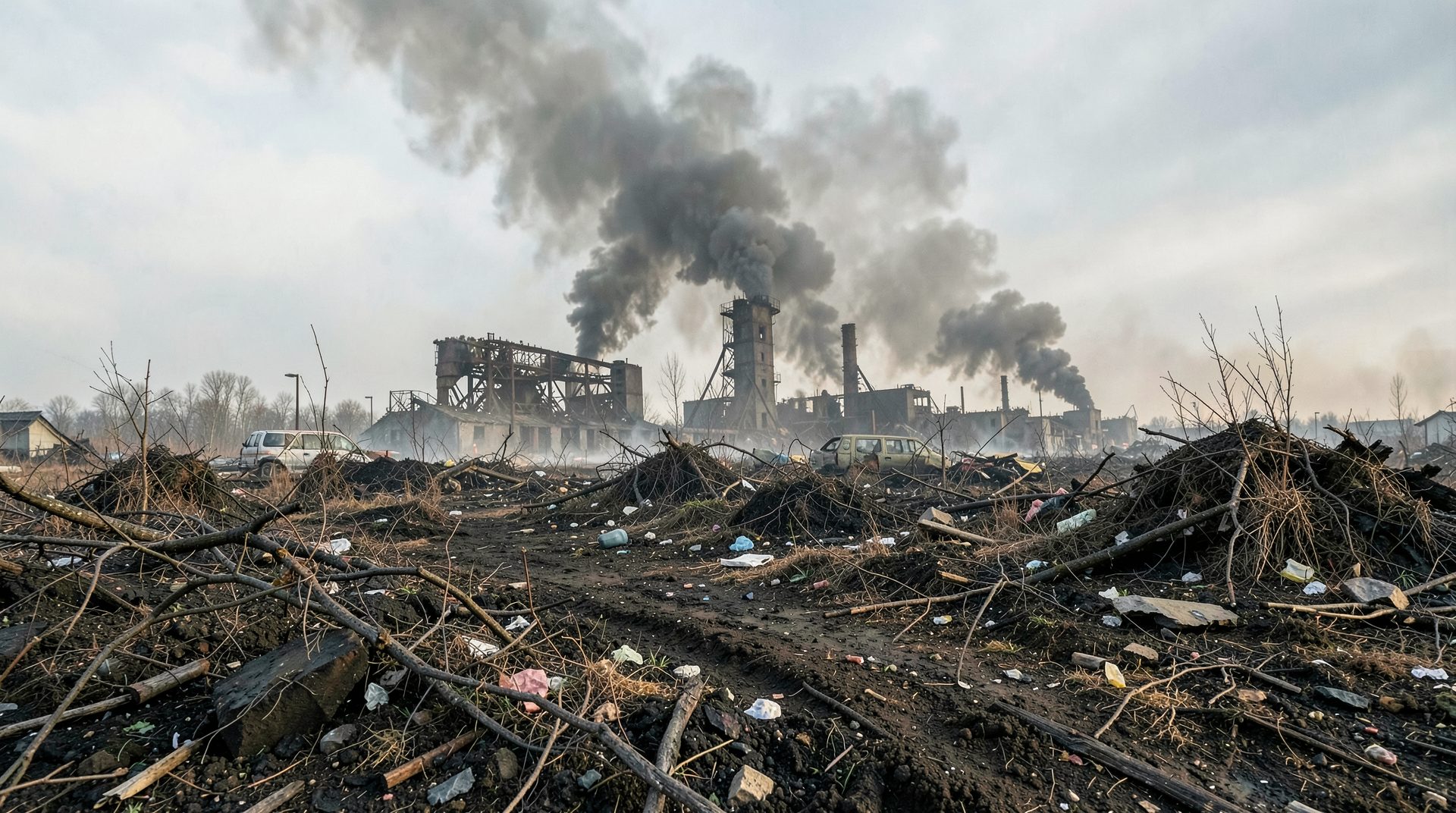
40 Years After Chernobyl: Parts of Austria's Soil Still Radioactively Contaminated Vienna, Austria — April 8, 2026 Four decades after the Chernobyl nuclear disaster, parts of Austria's soil remain contaminated with radioactive cesium-137, particularly in regions like Upper Austria, Carinthia, Salzburg, and Styria, according to environmental monitoring data.
Regional Hotspots of Contamination
The highest levels of cesium-137, a long-lived radioactive isotope, persist in Austria's alpine and eastern regions, where rainfall was heaviest in the days following the 1986 reactor explosion. Upper Austria, Carinthia, Salzburg, and Styria show the most significant residual contamination, a consequence of weather patterns that deposited radioactive particles across Europe.
The Austrian Environment Agency has documented these disparities through detailed maps tracking cesium-137 levels over the past 40 years. "Regional differences in contamination are directly linked to rainfall amounts during the critical days after the accident," explained a spokesperson for the agency. Cesium-137, with a half-life of 30 years, remains a key indicator of long-term environmental impact due to its persistence in soil and potential uptake by plants.
Austria's Radiation Monitoring Legacy
Austria's vulnerability to cross-border nuclear incidents prompted early investments in radiation monitoring. The country began establishing a national radiation early warning system as early as 1975, under the Federal Ministry of Health and Environment. Since 2003, the Environment Agency has operated this system, which now includes real-time sensors and historical data analysis to track residual contamination.
The system proved critical after Chernobyl, when Austria—unusually affected compared to other European nations—implemented food safety measures and long-term soil monitoring. "Austria was particularly affected due to the weather conditions at the time," noted a report corroborated by multiple sources. The agency's ongoing work ensures that cesium-137 levels, though declining, remain publicly documented.
### Implications for Land Use and Health
While current cesium-137 concentrations pose no acute health risk, the lingering contamination influences land-use decisions, particularly in agriculture and forestry. The Environment Agency's maps serve as a resource for farmers and policymakers, highlighting areas where crops or wild mushrooms might still absorb trace radioactivity.
Experts emphasize that cesium-137's gradual decay reduces its impact over time, but its presence underscores the long shadow of nuclear accidents. "It's a reminder that environmental disasters don't respect borders—or timelines," said an agency representative. The data also informs Austria's preparedness for future incidents, ensuring that lessons from Chernobyl remain part of the national consciousness.
As the 40th anniversary of the disaster passes, Austria's continued monitoring offers a case study in the enduring legacy of radioactive contamination—and the importance of vigilance in an interconnected world.