
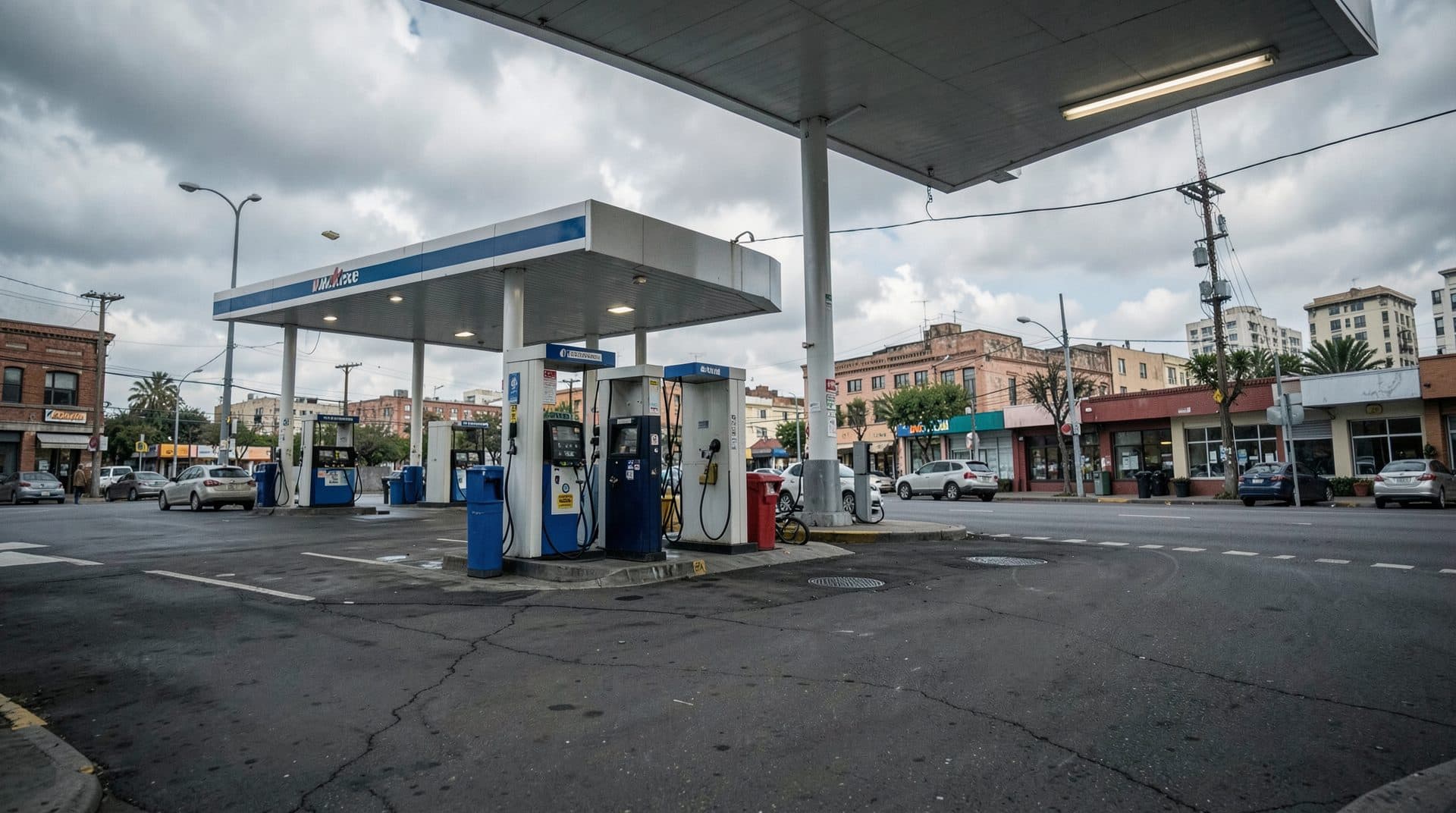
Berlin, April 16, 2026 The average price of diesel fuel in Germany fell by 4.9 cents to 2.237 euros per liter on Wednesday, marking a significant decline from recent record highs. The latest drop continues a downward trend for diesel, which has now decreased by 21 cents per liter compared to its all-time high recorded on the Tuesday after Easter. Despite the recent relief, prices remain substantially higher than pre-war levels, with diesel costing 49 cents more per liter and Super E10 fuel 31 cents more per liter than before the conflict began.
The European Commission’s latest data indicates that German fuel prices have normalized relative to those in neighboring EU countries, easing concerns about disproportionate economic strain on consumers.
Tax Cuts Benefit Higher-Income Households More
The German government’s fuel tax reduction, intended to alleviate rising energy costs, has had uneven effects across income groups. According to recent analyses, the lowest 10% of households by income will save an average of 6.48 euros due to the tax cut, while the highest 10% will save an average of 21.64 euros.
Aaron Praktiknjo, an economist at RWTH Aachen, criticized the policy’s lack of targeting. "Es ist keine zielgerichtete Maßnahme," he said, emphasizing that the measure does not prioritize those most affected by rising fuel costs.