
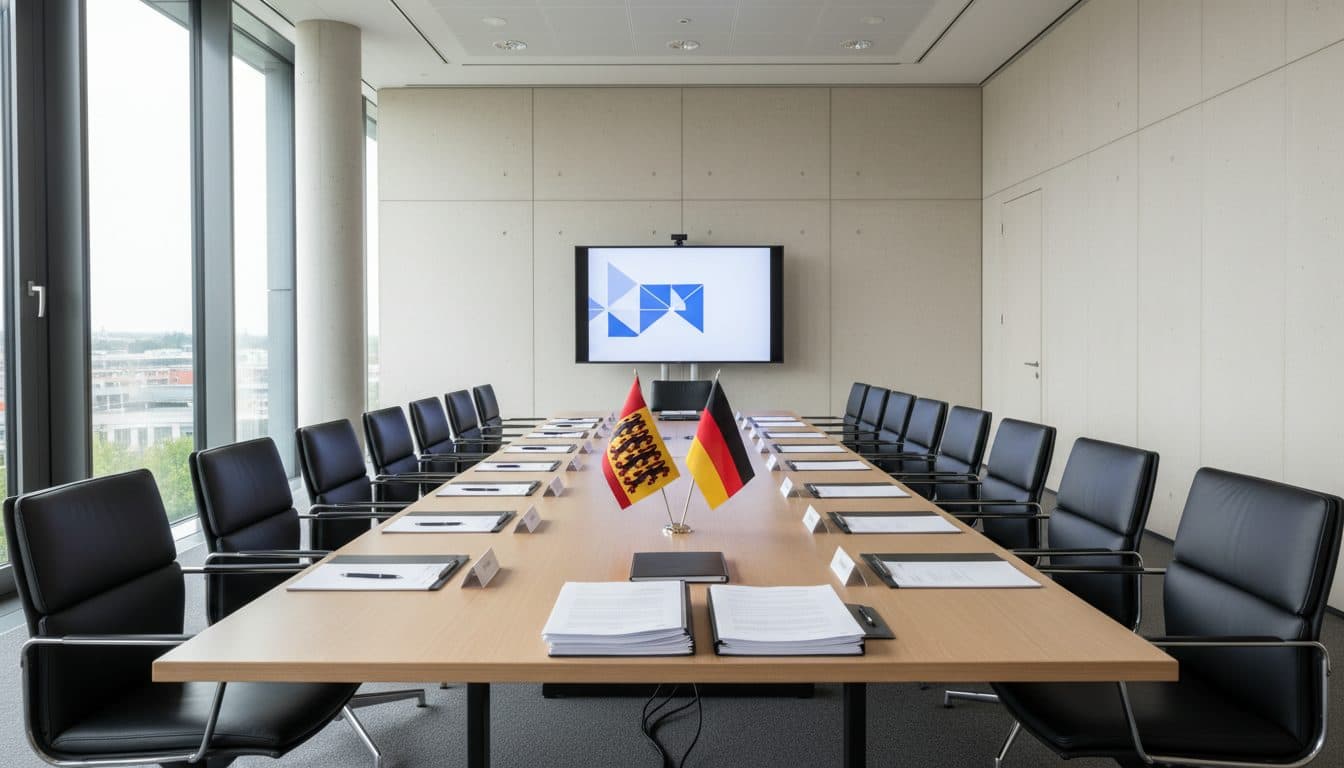
Stuttgart, April 15, 2026 The Green Party and CDU have officially begun coalition negotiations in Baden-Württemberg to continue their green-black state government, five and a half weeks after the state election. The negotiations, which started on April 15, aim to finalize a coalition agreement by May 11, with the state parliament set to convene on May 12 and the election of Cem Özdemir as minister-president scheduled for May 13. Around 150 negotiators from both parties will work on the agreement, covering critical areas such as finance, environment, transport, and education.

Green politician Cem Özdemir and CDU state leader Manuel Hagel met in Stuttgart with the heads of 14 specialist working groups to discuss the outcomes of earlier exploratory talks. The meeting clarified which contentious issues had already been resolved and which still require negotiation.

## Negotiation Structure and Key Topics Each of the 14 working groups will consist of five negotiators from the Green Party and five from the CDU. These groups will focus on specific policy areas, including state modernization, digitalization, and the distribution of power within the new government. The Greens and CDU have already made concrete agreements on many issues during the exploratory phase, but detailed discussions on unresolved topics will now take place.

The main negotiating group, led by Özdemir and Hagel, will step in to resolve any remaining disputes after the specialist groups conclude their work. This two-tiered approach ensures that technical details are addressed by experts before higher-level leaders finalize the agreement.

## Timeline and Expected Outcomes The coalition negotiations are expected to focus primarily on fine-tuning policy details, as many broad agreements were reached during the exploratory phase. The parties aim to present a finalized coalition agreement by May 11, just ahead of the state parliament’s session on May 12.

Özdemir’s election as minister-president is anticipated to follow on May 13, marking the formal continuation of the green-black coalition in Baden-Württemberg. The swift timeline reflects the parties’ shared goal of maintaining stability and continuity in the state government.

The negotiations come after a prolonged post-election period, with both sides emphasizing the need for thorough discussions to address lingering disagreements. The outcome will shape policies in one of Germany’s most economically significant states, with implications for environmental, transport, and educational reforms.

The Green Party and CDU have governed Baden-Württemberg together since 2021, and this renewal of their coalition signals a commitment to their shared agenda despite differing priorities on some issues. The final agreement will likely reflect compromises on key topics, ensuring both parties can advance their core objectives.