
BEIRUT, Lebanon — April 9, 2026

Israeli airstrikes on Lebanon have killed at least 182 people and injured 890 others, prompting Lebanese Prime Minister Nawaf Salam to declare Thursday a day of mourning for the victims.

The attacks, which targeted over 100 Hezbollah command centers and military bases in Beirut, included a strike that partially collapsed a residential building in Tallet Al-Khayat. Meanwhile, Hezbollah retaliated by shelling the northern Israeli kibbutz of Manara and vowed to continue attacks until "the Israeli-American aggression stops." U.S. President Donald Trump confirmed that the ceasefire agreement does not apply to Lebanon, escalating tensions further.

Escalating Violence

The Israeli military launched a large-scale operation against Hezbollah strongholds in Beirut, described by Israeli Defense Minister Israel Katz as a "surprise strike on hundreds of Hezbollah members." The precision strikes aimed to dismantle the group's infrastructure but resulted in significant civilian casualties.

Hezbollah, in response, fired rockets into northern Israel, hitting Kibbutz Manara. The group issued a statement declaring its intention to continue retaliatory strikes, citing Israel's violation of the ceasefire. "We will not stop until the aggression ends," a Hezbollah spokesperson said.

The violence marks a sharp escalation in the long-standing conflict between Israel and Hezbollah, which has intensified since the breakdown of regional ceasefire agreements.

Regional Fallout

The attacks have drawn international concern, particularly as Iran simultaneously closed the Strait of Hormuz, a critical global shipping route. While the two events are not directly linked, the timing underscores the volatility of the region.

Lebanon’s government has called for international intervention to halt the violence. Prime Minister Nawaf Salam emphasized the need for humanitarian aid, as hospitals in Beirut struggle to cope with the influx of wounded.

U.S. President Donald Trump reiterated Washington's stance, stating that the ceasefire brokered earlier this week does not extend to Lebanon. This position has drawn criticism from regional leaders, who accuse the U.S. of enabling further bloodshed.

The conflict shows no signs of abating, with both sides digging in for prolonged hostilities. Civilians in Lebanon and northern Israel remain caught in the crossfire, facing shortages of medical supplies and safe shelter.

Humanitarian Crisis

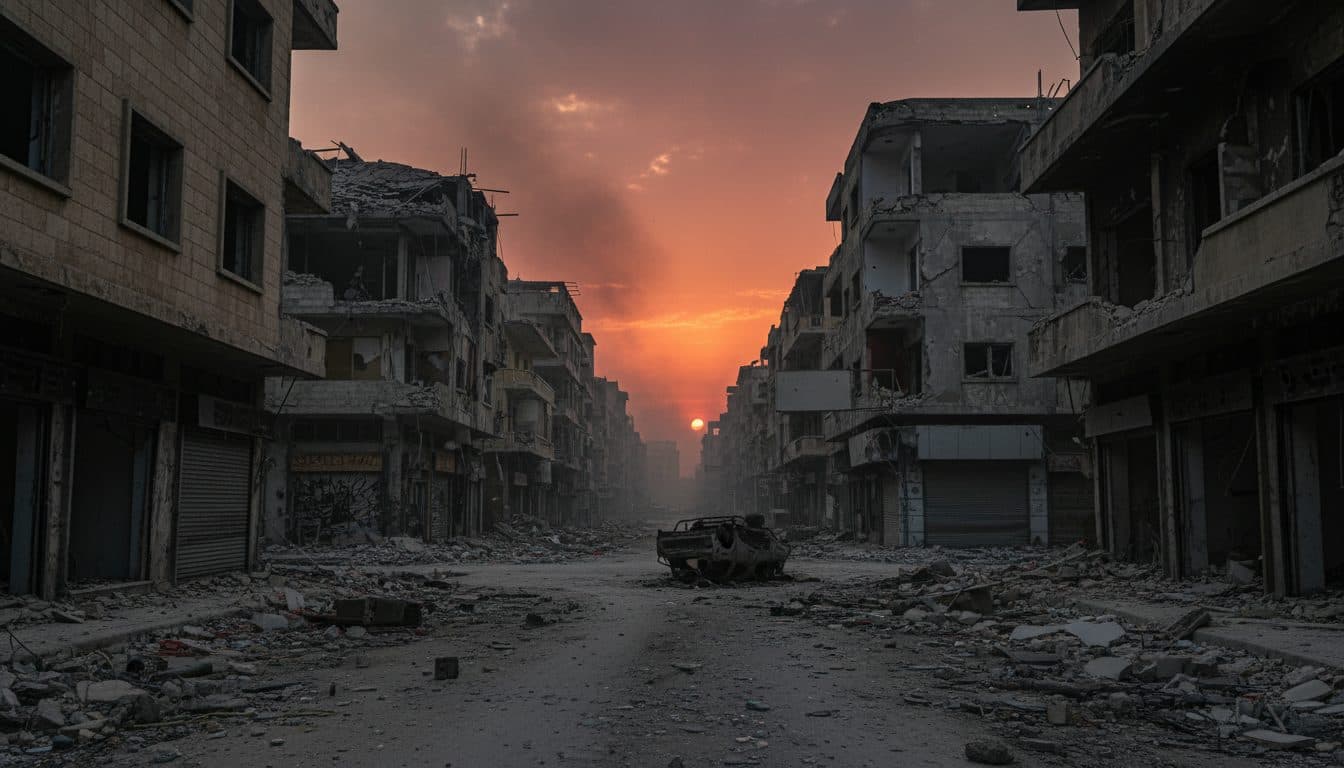
The partial collapse of the residential building in Tallet Al-Khayat has become a symbol of the civilian toll. Rescue workers continue to search for survivors amid the rubble, though hopes are fading.

Lebanon’s healthcare system, already strained by years of economic crisis, is overwhelmed. Local hospitals report shortages of blood, medications, and beds, while international aid organizations scramble to deploy emergency teams.

Hezbollah’s retaliatory strikes on northern Israel have also displaced hundreds of families, with Israeli authorities setting up temporary shelters near the border. The kibbutz of Manara, a small agricultural community, suffered significant damage, though casualty figures remain unclear.

As the conflict enters its next phase, regional analysts warn of a potential wider war, with Iran’s actions in the Strait of Hormuz adding another layer of complexity. The international community faces mounting pressure to mediate, though no immediate diplomatic breakthroughs are in sight.

The death toll is expected to rise as search operations continue and more victims succumb to their injuries. For now, Lebanon mourns, and the region braces for further escalation.