
Abu Dhabi, April 7, 2026

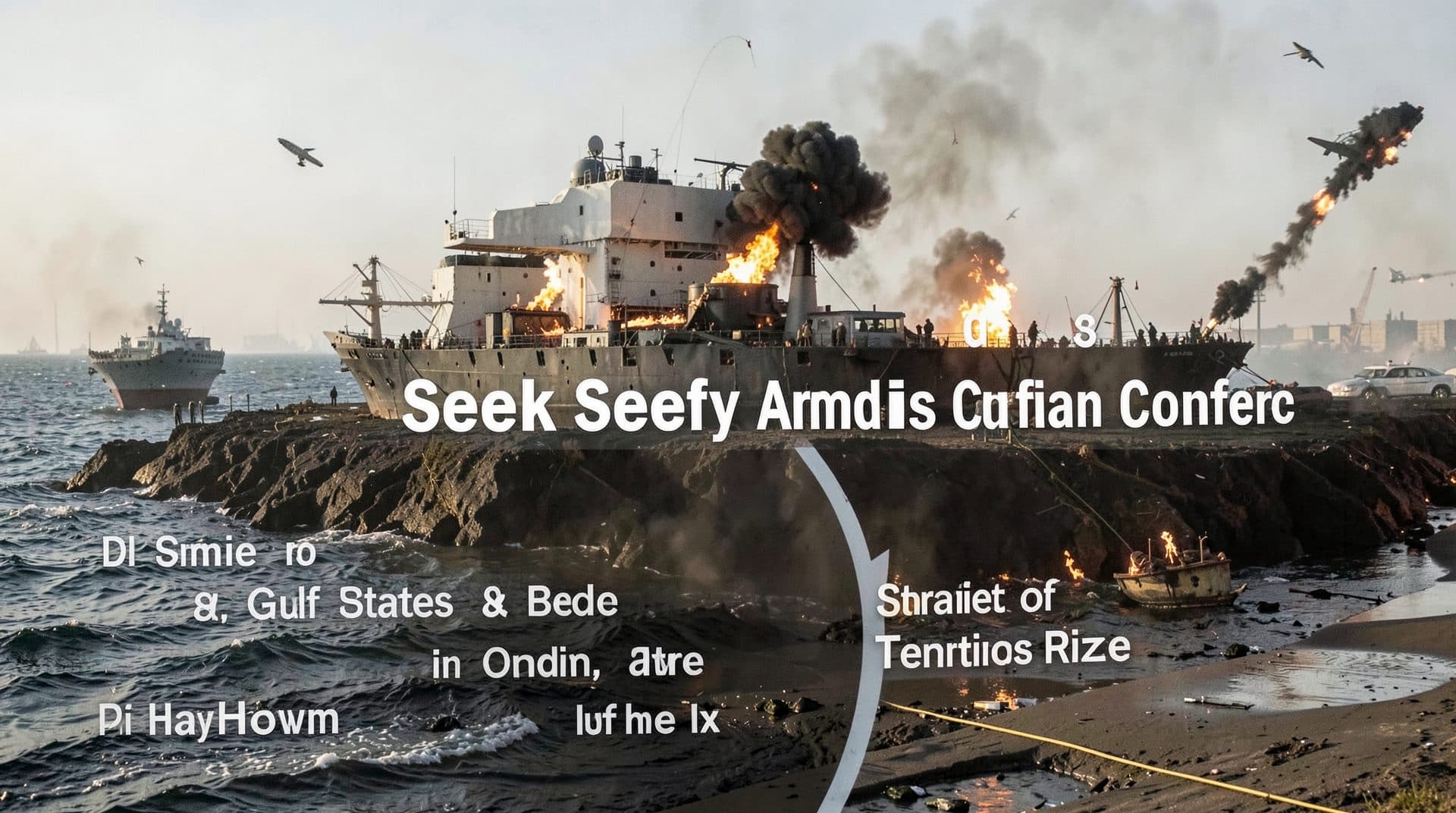
The Gulf states are grappling with eroded security and confidence as the Iran conflict escalates, with Bahrain calling for defensive measures to protect vital shipping routes through the Strait of Hormuz.

Regional Leaders Urge Resilience

Anwar Gargash, a senior advisor to the Abu Dhabi royal court, struck a cautiously optimistic tone, stating that the Gulf states will recover from the ongoing conflict. "Wir werden uns aufrappeln," he said in German, a phrase translating to "We will pick ourselves up." His remarks, corroborated by two independent sources, reflect a broader regional determination to withstand the crisis despite mounting challenges.

Bahrain has emerged as a vocal advocate for diplomatic solutions, urging "all necessary defensive measures" to secure the Strait of Hormuz, a critical chokepoint for global oil shipments. The narrow waterway, bordered by Iran and Oman, sees nearly a third of the world's seaborne oil pass through daily. Any disruption could have far-reaching consequences, a concern underscored by regional leaders.

Global Economic Risks Loom

The potential closure of the Strait of Hormuz poses a severe threat to global supply chains, with experts warning of shortages and skyrocketing prices. The strait's strategic importance cannot be overstated—its blockage would immediately disrupt energy flows to Asia, Europe, and North America, triggering economic instability.

Oman, which shares control of the strait with Iran, has yet to issue an official statement, but its geographic position makes it a key player in any resolution. Meanwhile, the United Arab Emirates and other Gulf Cooperation Council (GCC) members are closely monitoring developments, balancing calls for restraint with preparations for heightened maritime security.

The situation has drawn comparisons to past tensions in the region, though current escalations carry unique risks given the involvement of multiple state and non-state actors. With global powers closely watching, the coming weeks may prove decisive in shaping the Gulf's security landscape.

Diplomatic and Defensive Measures

Bahrain's push for defensive actions highlights the delicate balance between military preparedness and diplomatic outreach. The island kingdom, home to the U.S. Navy's Fifth Fleet, has long been a linchpin of Western security strategy in the region. Its latest statements suggest a preference for multilateral solutions, though the specifics of these "defensive measures" remain unclear.

Iran, for its part, has historically leveraged control over the strait as a geopolitical bargaining chip. Analysts warn that any miscalculation could spiral into broader conflict, drawing in neighboring states and global powers. The involvement of figures like Donald Trump, who has previously taken a hardline stance on Iran, adds another layer of complexity to an already volatile situation.

As Gulf states navigate these turbulent waters, the emphasis remains on preventing further escalation. The path forward hinges on whether diplomacy can prevail over the growing specter of confrontation. For now, regional leaders like Gargash are banking on resilience—but the stakes have never been higher.