
Palo Alto, California — April 24, 2026
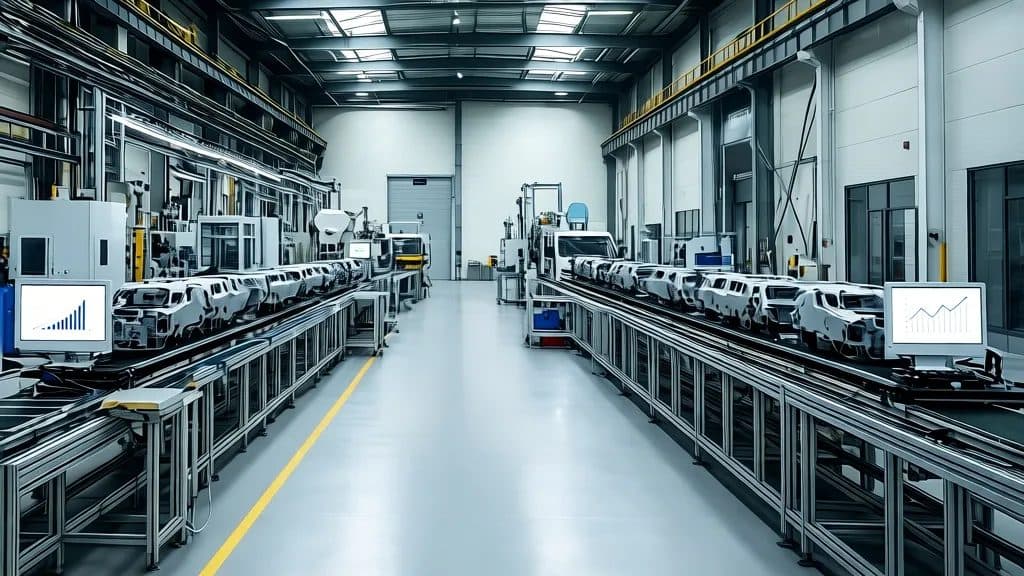
Tesla has launched production of its "Cybercab" robotaxis, marking a major step in CEO Elon Musk's vision to pivot the company toward autonomous vehicles and robotics.
The move comes as competition in the self-driving car sector intensifies, with Waymo, Google's sister company, already completing over 500,000 paid passenger trips per week across the U.S. using fully driverless vehicles. Musk has repeatedly stated that Tesla's future hinges on robotics and robotaxis, positioning the Cybercab as a cornerstone of the company's strategy.
The Robotaxi Landscape
Waymo's dominance in the autonomous ride-hailing market underscores the challenges Tesla faces in catching up. With half a million weekly trips, Waymo has established a significant lead in real-world deployment and customer adoption. Its fleet operates without human drivers in multiple U.S. cities, a milestone Tesla has yet to achieve at scale.
Tesla's entry into robotaxi production signals a strategic shift. While the company has long focused on consumer vehicles with advanced driver-assistance features, the Cybercab represents its first dedicated autonomous taxi. Musk has framed the move as inevitable, arguing that self-driving technology will redefine transportation. "Tesla's future lies in robots and robotaxis," he has said, emphasizing the company's broader ambitions beyond traditional car manufacturing.