Russian Secret Service FSB Issues International Arrest Warrant Against Telegram Founder Pavel Durov
Berlin, 29 July 2026
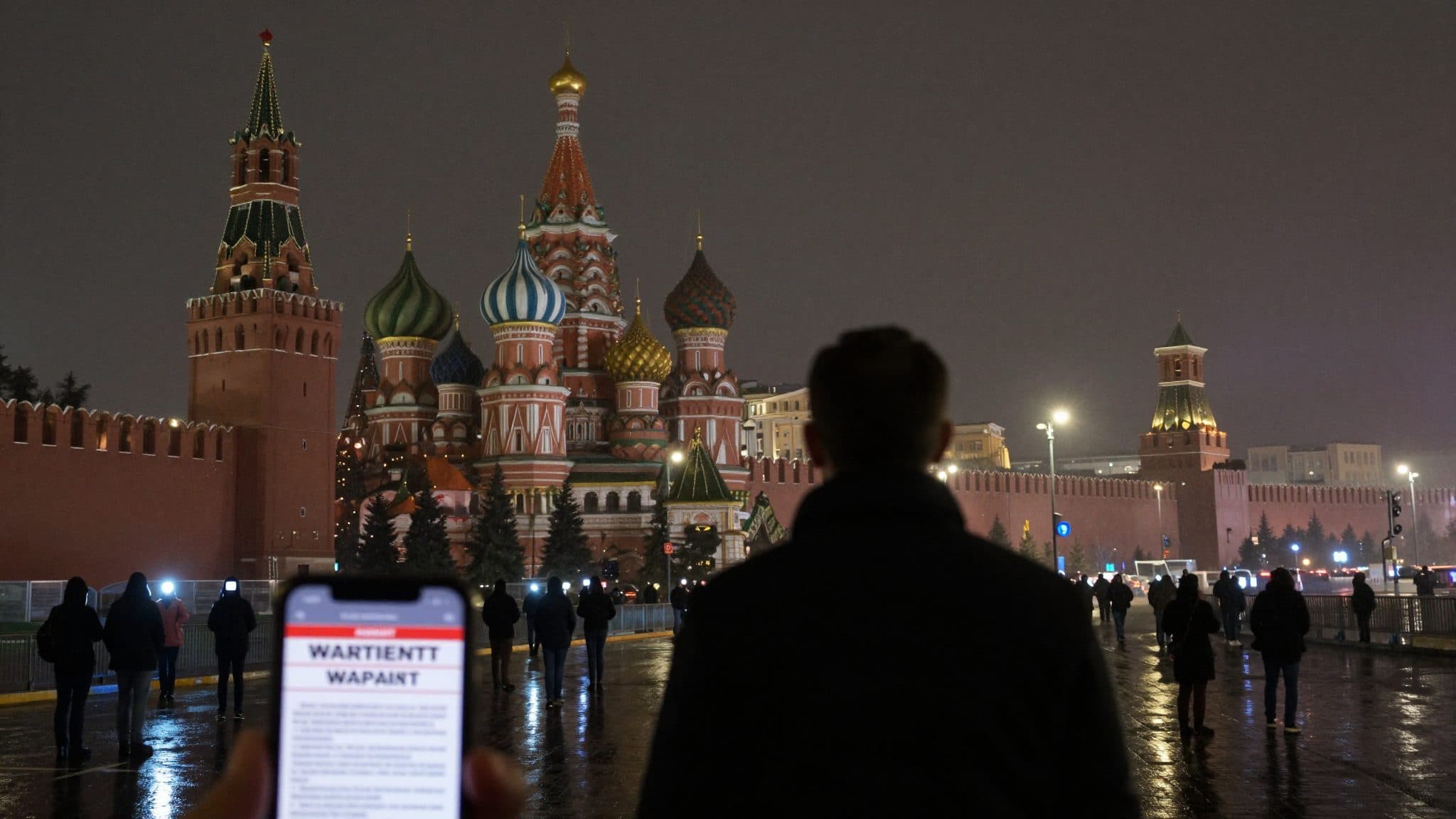
AI-generated image (z-image via Kie.ai)
Summary
Russia's domestic intelligence service FSB has issued an international arrest warrant against the founder of the messaging service Telegram, Pavel Durov. He is accused of aiding terrorism because the platform allegedly failed to remove content linked to Ukrainian intelligence services.
Berlin, 29 July 2026
Russia's domestic intelligence service FSB issued an international arrest warrant on Wednesday against the founder of the online service Telegram, Pavel Durov, and placed him on a wanted list.
What exactly does Russia accuse Durov of?
As reported by the Russian news agency Interfax, the FSB accuses Durov, who lives in France, of aiding terrorism. Within the framework of a criminal case, he is charged with the fact that the Telegram administration failed to remove "numerous channels, chats and bots" that, according to the intelligence service, were used by Ukrainian special services as well as by terrorist and extremist organizations to prepare and coordinate acts of sabotage and terrorism, killings, and cyber fraud in Russia.
Specifically, the FSB pointed to a case in which 46 Russian citizens are said to have been arrested, who according to authorities were recruited by the Ukrainian side via a dating chatbot on Telegram. According to this account, Telegram allegedly failed to remove a popular dating bot that, according to Moscow's account, is used by Ukrainian intelligence to lure young Russians "into terrorist and sabotage activities."
Background: From VKontakte founder to Telegram chief
As the FSB announced, criminal proceedings were initiated against Durov under Part 1.1 of Article 205.1 of the Russian Criminal Code. According to its own statements, Telegram is one of the most widely used messengers worldwide; the company, founded in 2013 by Durov and his brother Nikolai, reports more than one billion users.
Durov was born in Russia and, according to the FSB, holds French and United Arab Emirates citizenship in addition to Russian citizenship. He has not lived in Russia since 2014. In St. Petersburg, starting in 2006, he built VKontakte, Russia's counterpart to Facebook, which remains one of the country's largest social networks.
In 2014, under pressure from Russian authorities, he sold his remaining shares and left the country. According to his account, the trigger was demands from the security authorities for user data, including data related to Ukrainian protest groups. Since then, he has run Telegram from abroad, currently residing in France.
At the end of February 2026, Durov had already publicly disclosed that investigative proceedings against him were underway in Russia; at the time, he accused the authorities of fabricating pretexts to restrict access to Telegram and "to suppress the right to privacy and freedom of expression." Durov rejects the charges now brought against him and called the arrest "legally and logically absurd."
Escalation against Telegram in Russia
The arrest warrant is the latest step in a longer escalation. Since August 2025, the Russian media regulator Roskomnadzor has been restricting Telegram's operations in Russia; in February 2026, the restrictions were tightened on the grounds that the company was not complying with Russian law. According to law enforcement authorities, fines of more than 100 million rubles have been imposed on Telegram since the beginning of the year alone, predominantly for failure to remove content.
In parallel, Moscow is promoting its state-backed messenger service "MAX" in order to steer users toward an alternative that is easier to monitor. The move also increases pressure on Durov's freedom of travel: since he is permitted to travel to Dubai only under certain conditions, the arrest warrant could further restrict his freedom of movement.
Since the Russian attack on Ukraine in February 2022, Telegram has become critical infrastructure of the war, on both sides. On the Russian side, so-called Z-bloggers or milbloggers dominate the platform: war correspondents and military commentators, some with audiences in the millions, who support the war while also openly criticizing the military leadership. According to reports, Russian units also used the messenger for coordination at the front.
Telegram in the Ukraine war
In March 2026, military bloggers reported that the command had ordered soldiers to uninstall the app after the FSB had classified Telegram as a security risk. The Ukrainian side also uses the service intensively for communication.
Independently of the Russian proceedings, a case has been pending against Durov in France since August 2024. French authorities are investigating him on allegations that Telegram had not sufficiently combated criminal activities on the platform and had not adequately cooperated with law enforcement. Durov had rejected these allegations in the past.
Parallel proceedings in France
The arrest warrant is part of Moscow's efforts, intensified since 2022, to bring the Russian internet under state control. Observers see the move as a sign that the Kremlin is further increasing pressure on independent communication platforms.
In practical terms, the effect of the arrest warrant is currently unclear. Since Durov lives in France, extradition to Russia would almost certainly be politically and legally highly unlikely. The arrest warrant primarily has a symbolic effect within the domestic legal sphere and increases pressure on the Telegram administration.
International context and US sanctions
In the international debate on digital sovereignty and freedom of expression, the case gains additional weight from the parallel sanctions debates in the US. Republicans and Democrats in the US Senate have agreed on a bill for tougher sanctions against Russia. The draft provides for punitive measures against the largest buyers of Russian oil and natural gas, as well as against states that support Moscow in circumventing energy sanctions. According to media reports, the Senate could vote on it as early as this week, but since the House of Representatives is already in summer recess, the law is unlikely to enter into force before September at the earliest.
Questions & Answers
What does Russia accuse Telegram founder Pavel Durov of?
Russia's domestic intelligence service FSB accuses Durov of aiding terrorism. Specifically, the Telegram administration is alleged to have failed to remove channels, chats and bots that, according to Moscow, were used by Ukrainian intelligence services and extremist groups to prepare sabotage, terrorist attacks and cyber fraud.
What citizenships does Pavel Durov hold, and where does he live?
Durov was born in Russia and, according to the FSB, also holds French and United Arab Emirates citizenship. He has not lived in Russia since 2014 and currently resides in France.
How is Durov responding to the allegations?
Durov rejects the allegations and called the action "legally and logically absurd." Back in February 2026, he had publicly stated that the Russian authorities were fabricating pretexts to restrict access to Telegram and "to suppress the right to privacy and freedom of expression."