
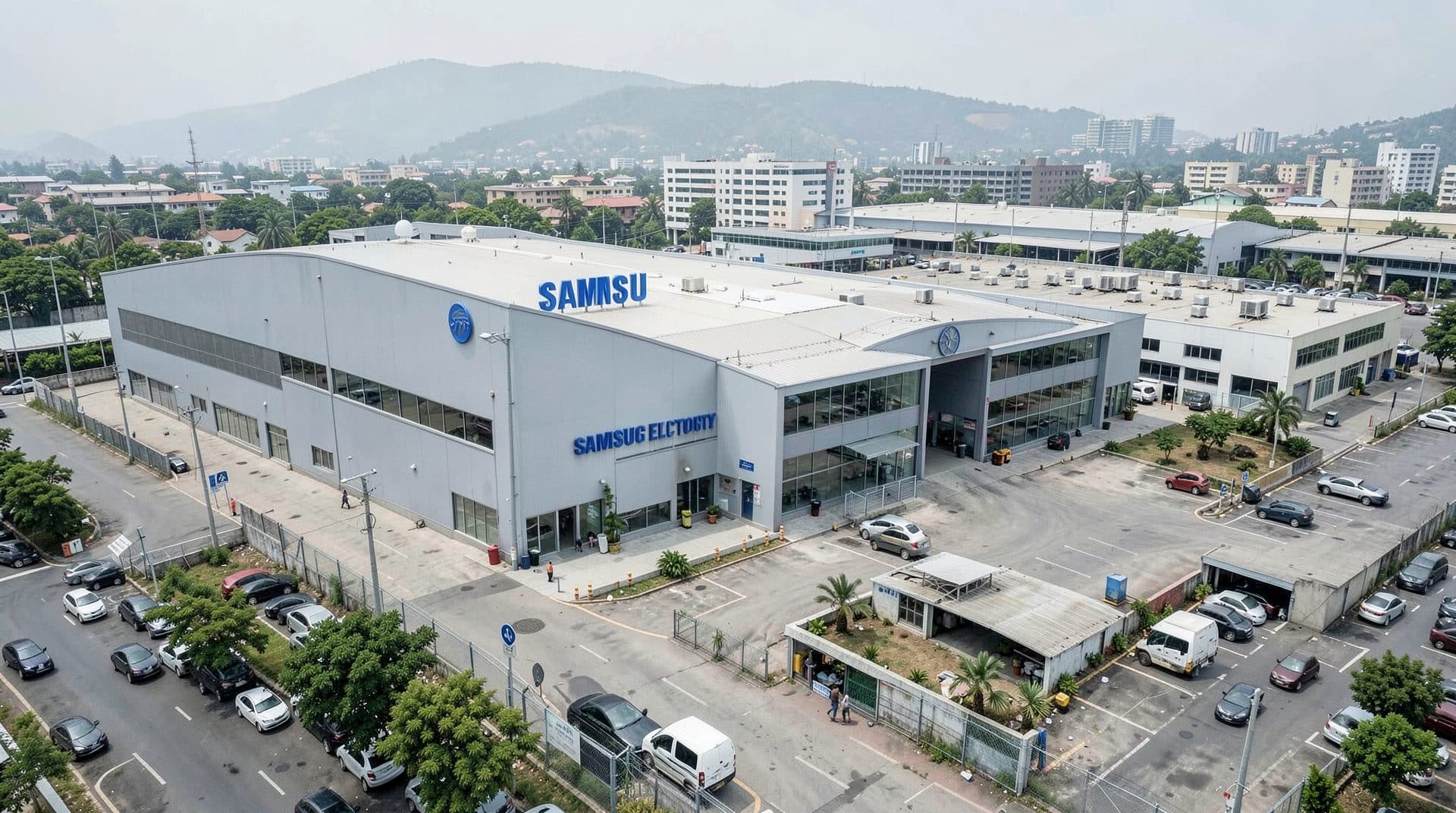
Samsung Electronics Projects Record Q1 Profit Amid AI Chip Demand Surge Seoul, April 7, 2026 Samsung Electronics announced on Monday it expects a record operating profit of 57.2 billion won ($42.7 billion) for the first quarter of 2026, fueled by soaring demand for chips powering artificial intelligence (AI) applications. The projected operating profit marks an eight-fold increase compared to the 6.69 billion won reported in the same period last year, according to company estimates corroborated by multiple sources. Revenue is also anticipated to jump 68% year-over-year to 133 billion won, underscoring the tech giant's dominance in the global semiconductor market.
## AI-Driven Chip Shortages Lift Prices The surge in profitability is tied to a global shortage of traditional chips used in smartphones and computers, as AI computing centers prioritize high-performance semiconductors. This shift has driven up prices for memory and logic chips, sectors where Samsung holds a leading position.
Industry analysts note that the scramble for AI-capable hardware has reshaped supply chains, with companies like Tesla and other tech firms competing for limited production capacity. "The boom in AI computing centers has led to shortages of traditional chips for smartphones and computers, driving up prices," according to a report from LSEG, citing market trends.
## Financial Performance Exceeds Expectations Samsung's preliminary earnings, released ahead of audited results later this month, far surpassed analyst forecasts. The 57.2 billion won operating profit estimate represents the highest quarterly figure in the company's history, eclipsing previous peaks during the pandemic-era chip boom.
The staggering year-over-year growth reflects both recovering demand in consumer electronics and the premium pricing of advanced semiconductors. "This isn't just a rebound—it's a fundamental shift toward AI infrastructure," noted an APA analysis, pointing to investments in data centers and generative AI tools as key drivers.
While Samsung has not yet disclosed segment-specific results, insiders suggest its memory chip division—particularly high-bandwidth memory (HBM) optimized for AI workloads—is outperforming other units. The company is racing to expand production capacity amid what executives describe as "unprecedented" demand.
## Market Implications and Future Outlook The semiconductor industry's pivot toward AI has left some consumer electronics manufacturers struggling to secure components, potentially delaying product launches. Samsung's windfall, however, positions it to reinvest in next-generation chip fabrication plants, with plans already underway in Texas and South Korea.
Competitors like TSMC and SK Hynix are also ramping up production, but analysts say Samsung's vertical integration—combining chip design, manufacturing, and device production—gives it unique advantages. The company's ability to adjust output between memory and logic chips has proven critical during supply fluctuations.
Investors will watch for detailed earnings disclosures later this month, including updates on capital expenditures and partnerships with AI developers. For now, Samsung's forecast signals that the AI gold rush shows no signs of slowing.
