
RIYADH, Saudi Arabia — April 12, 2026
Saudi Arabia has fully restored production capacity of its vital East-West pipeline to approximately seven million barrels per day following a series of attacks linked to regional tensions involving Iran, Israel, and the United States.
Infrastructure Attacks and Recovery
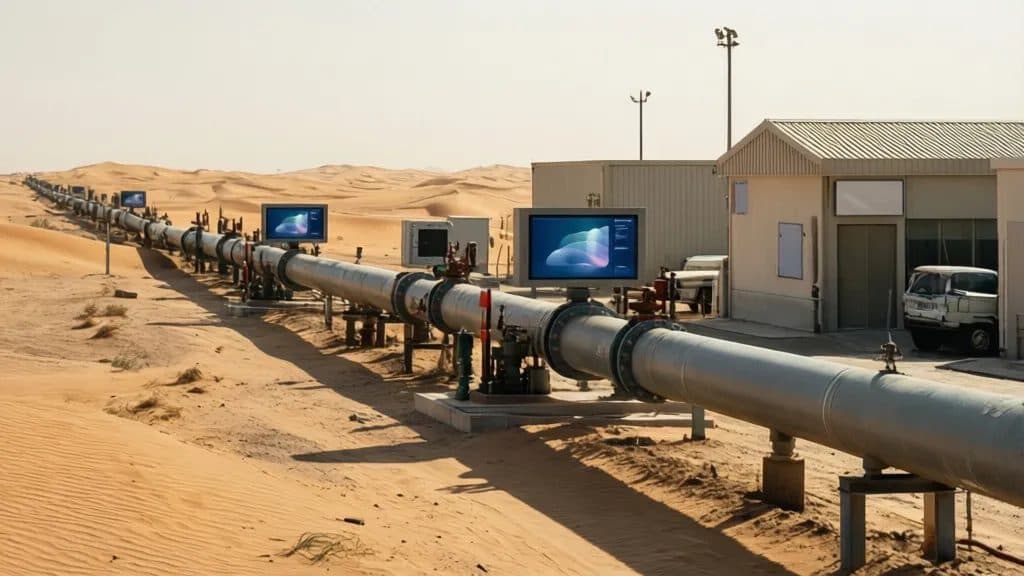
The 1,200-kilometer East-West pipeline, a cornerstone of Saudi Arabia’s oil export infrastructure, was among several energy facilities targeted during recent hostilities. The attacks disrupted operations at key oil, gas, refinery, petrochemical, and power plants across Riyadh, the Eastern Province, and the industrial hub of Yanbu. According to corroborated reports, the assaults caused significant but temporary damage to critical infrastructure, forcing Saudi authorities to implement emergency repairs.
The pipeline’s restoration to full capacity marks a swift recovery for the kingdom, which relies heavily on oil exports for economic stability. The Energy Ministry confirmed the milestone, emphasizing the resilience of Saudi Arabia’s energy sector despite the coordinated strikes. Analysts note that the East-West pipeline’s operational revival mitigates immediate supply concerns for global markets, as it serves as a primary conduit for crude shipments to the Red Sea.
Escalating Regional Tensions
The attacks on Saudi energy facilities occurred amid heightened hostilities involving Iran, Israel, and the U.S. Saudi Arabia’s military reported intercepting "numerous Iranian rockets and drones" in recent weeks, underscoring the escalating threat to its infrastructure. While no group has claimed responsibility for the pipeline strikes, Riyadh has pointed to Iranian-backed factions as likely perpetrators, citing similar patterns in past attacks.