
Bern, August 27, 2026
A study presented at the University Hospital Zurich shows that chronic pain leaves measurable changes in brain regions responsible for emotions and attention.
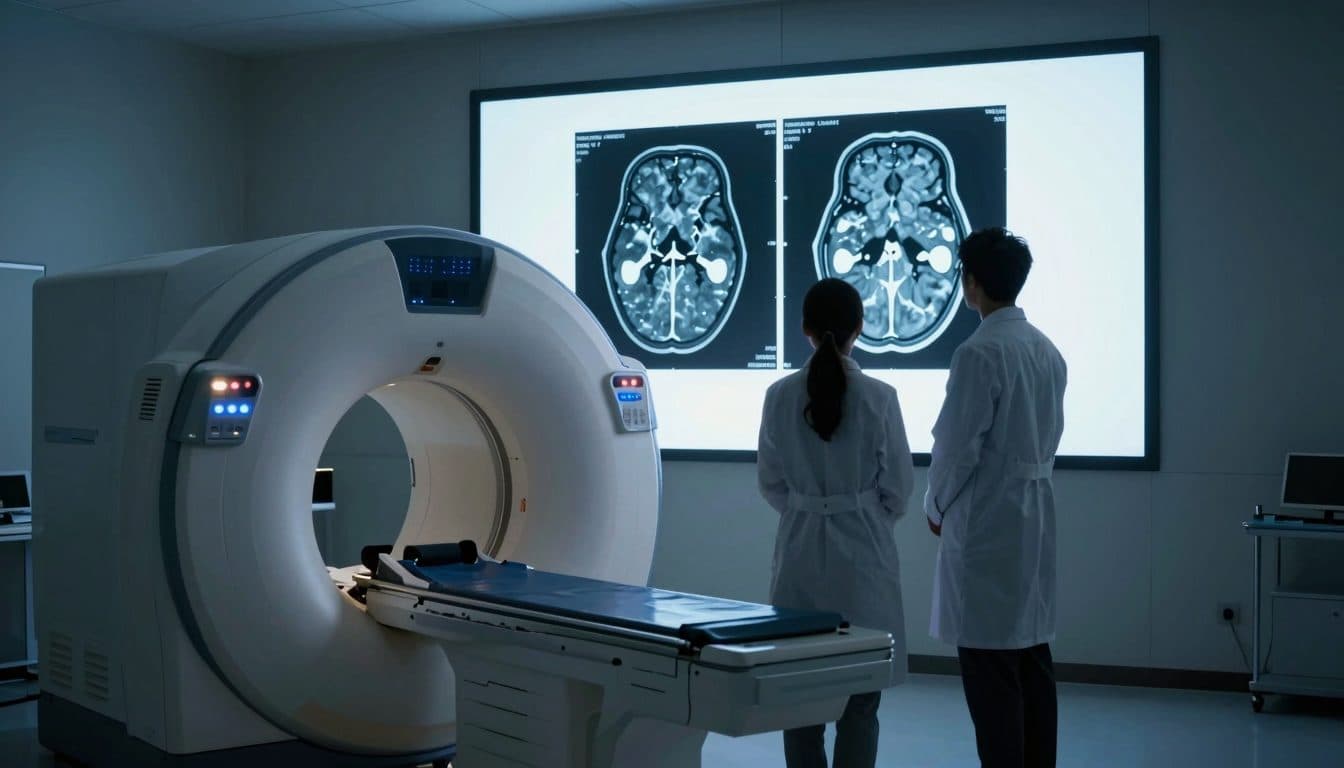
The research group led by Salome Häuselmann evaluated MRI scans from patients with persistent pain and compared them with the brain scans of healthy controls. Structural differences were found in areas associated with emotional processing and the control of attention. The findings suggest that the brain not only responds to chronic pain but also adapts anatomically.
What the imaging shows
According to Häuselmann, the observed change should not be understood as a mere side effect of suffering, but as an indication of independent adaptive processes of the nervous system. These plastic processes could explain why those affected frequently experience pain even when the original tissue damage has long since subsided. The study thus joins a growing body of work that views the brain as an active player in chronification.