
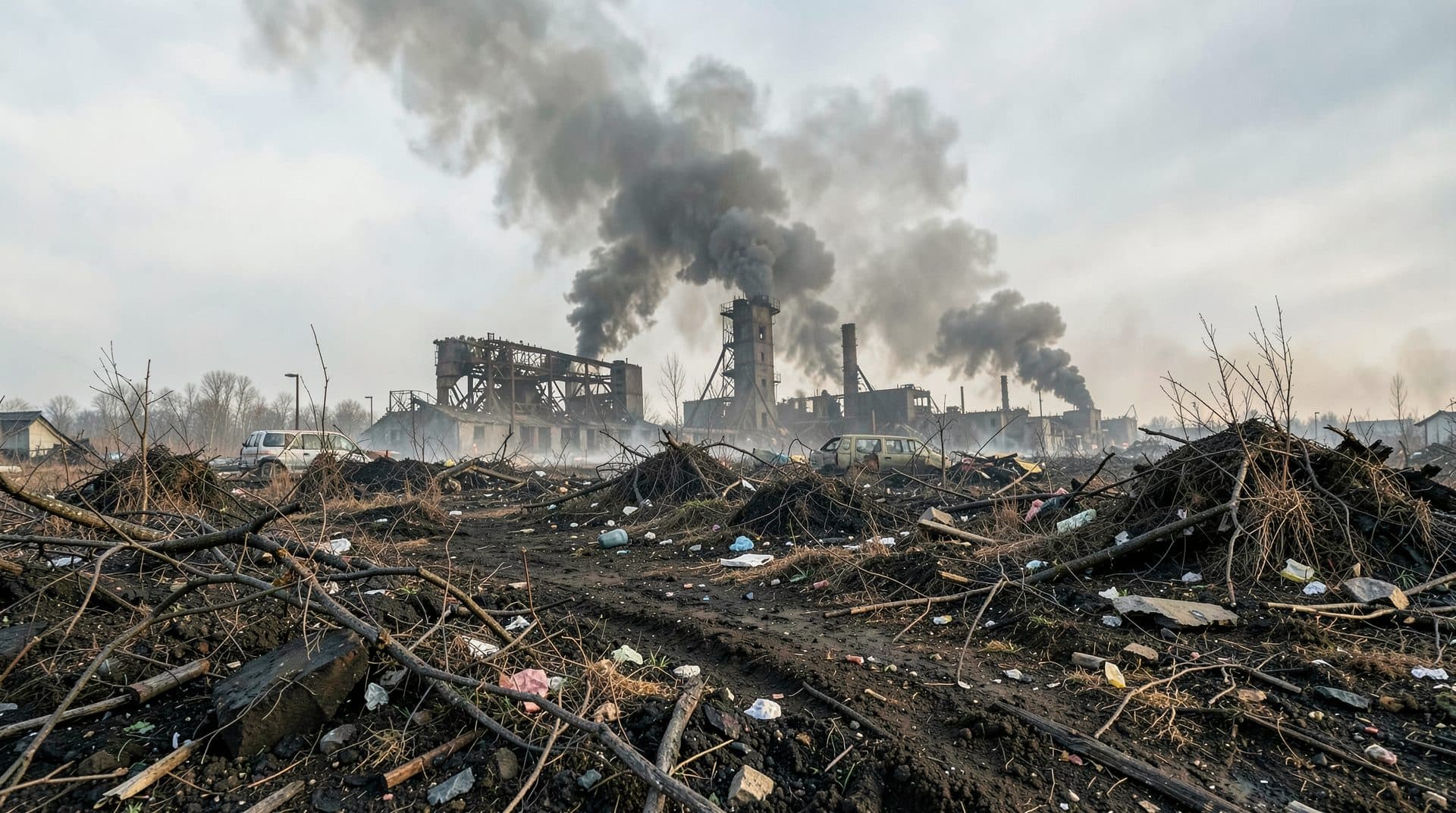
Vienna, Austria — April 8, 2026 Four decades after the Chernobyl nuclear disaster, parts of Austria's soil remain contaminated with radioactive cesium-137, particularly in regions like Upper Austria, Carinthia, Salzburg, and Styria, according to environmental monitoring data.
Regional Hotspots of Contamination
The highest levels of cesium-137, a long-lived radioactive isotope, persist in Austria's alpine and eastern regions, where rainfall was heaviest in the days following the 1986 reactor explosion. Upper Austria, Carinthia, Salzburg, and Styria show the most significant residual contamination, a consequence of weather patterns that deposited radioactive particles across Europe.
The Austrian Environment Agency has documented these disparities through detailed maps tracking cesium-137 levels over the past 40 years. "Regional differences in contamination are directly linked to rainfall amounts during the critical days after the accident," explained a spokesperson for the agency. Cesium-137, with a half-life of 30 years, remains a key indicator of long-term environmental impact due to its persistence in soil and potential uptake by plants.
Austria's Radiation Monitoring Legacy
Austria's vulnerability to cross-border nuclear incidents prompted early investments in radiation monitoring. The country began establishing a national radiation early warning system as early as 1975, under the Federal Ministry of Health and Environment. Since 2003, the Environment Agency has operated this system, which now includes real-time sensors and historical data analysis to track residual contamination.