
Vienna, 28 May 2026
The Austrian government approved an electricity price cap mechanism on Wednesday that will limit the working price for households to 10 cents net per kilowatt-hour during energy price crises.
Economy Minister Wolfgang Hattmannsdorfer (ÖVP) presented the measures alongside State Secretaries Josef Schellhorn (Neos) and Michaela Schmidt (SPÖ) following a meeting of the Council of Ministers. The package combines direct relief for consumers with long-term support for industry.
How the Crisis Mechanism Works
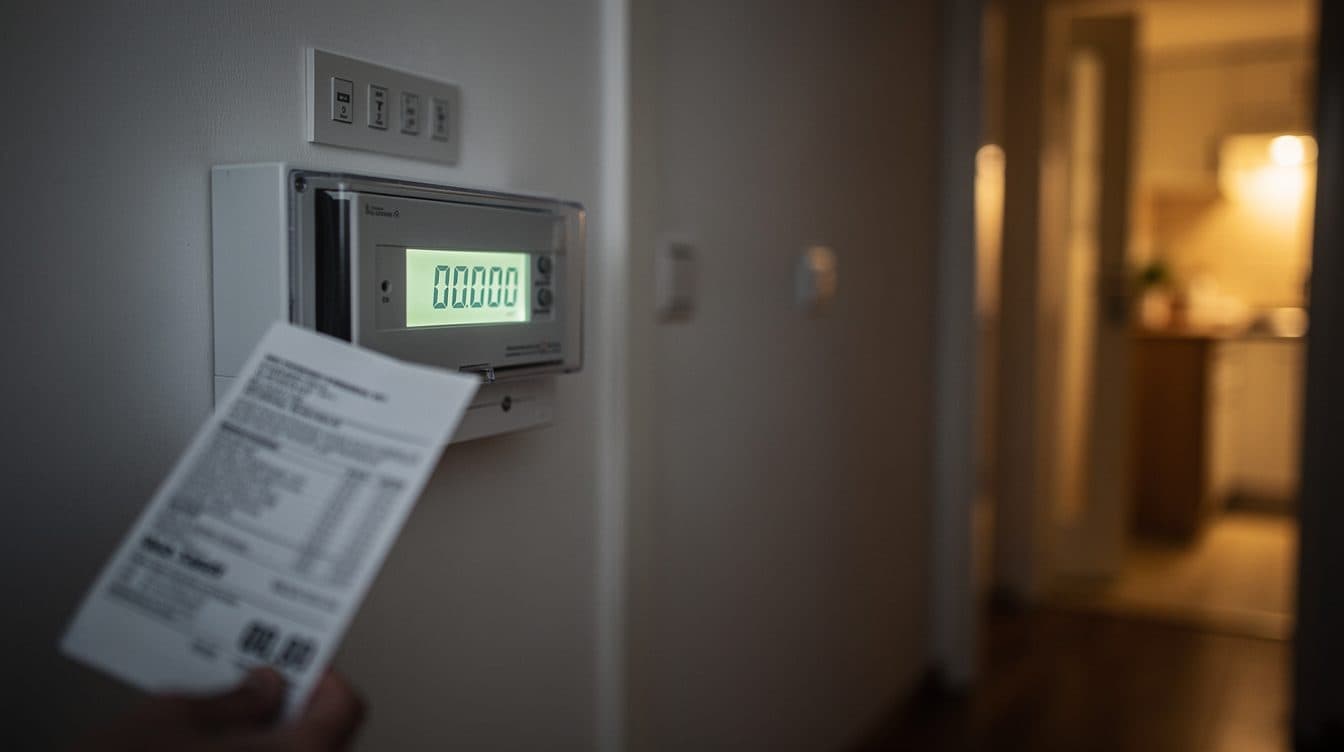
The mechanism, officially called the Energy Price Crisis Mechanism (Energiepreiskrisenmechanismus), is designed to activate automatically when certain price thresholds are breached. It will be settled directly via the electricity bill, with the state reimbursing energy providers for the difference between the capped price and the actual market price.
For the crisis mechanism to trigger, the average end-customer electricity price must exceed 16.5 cents net per kilowatt-hour for at least three consecutive months. Simultaneously, wholesale prices on the electricity exchange must surpass 165 euros per megawatt-hour over the same period.
Once activated, the working price for household electricity is capped at 10 cents per kWh for a basic consumption quota. The exact size of this quota has not yet been finalized, though it is presumed to be set at a base consumption of 2,900 kilowatt-hours per year. Consumption above this threshold continues to be charged at the market price to preserve savings incentives.