
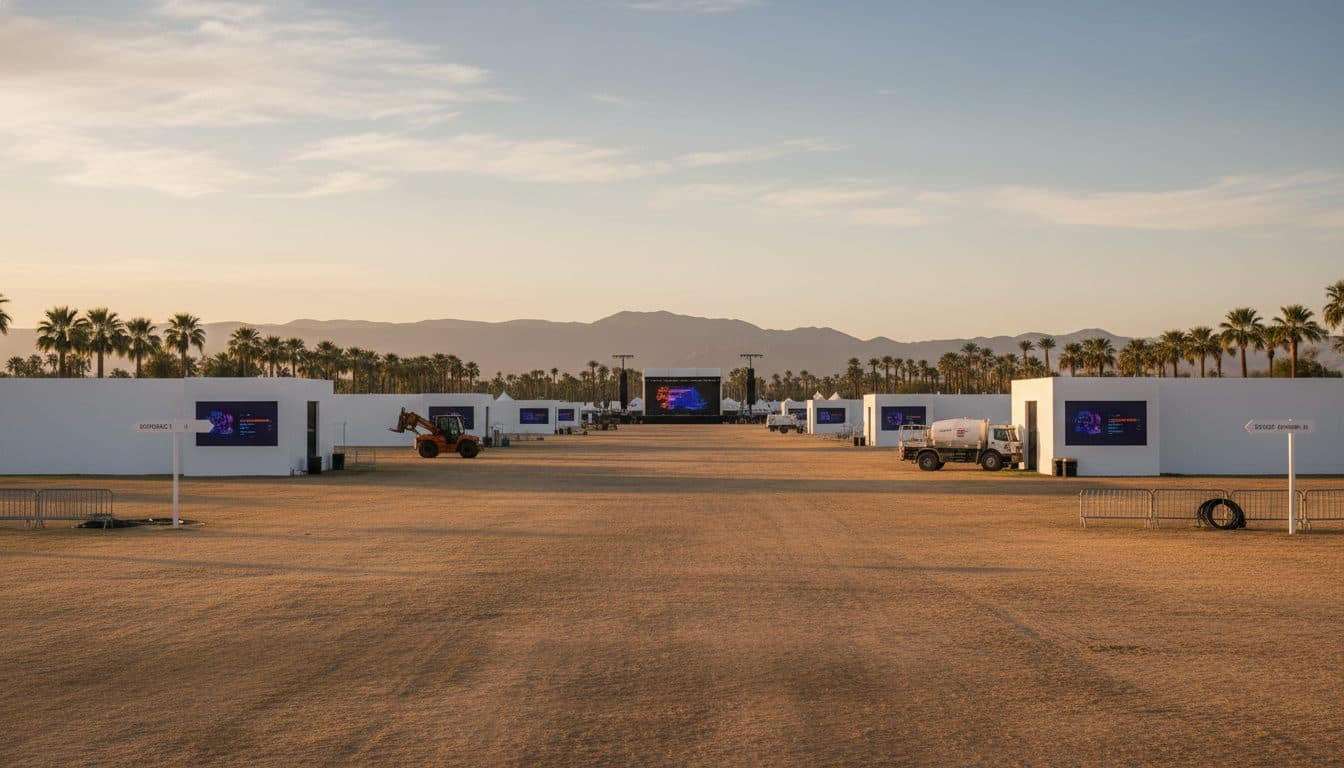
Indio, California – April 17, 2026 Coachella festival success story and global impact The Coachella Valley Music and Arts Festival, launched in 1999 with 37,000 attendees, has grown into a global cultural and commercial powerhouse, generating over $120 million in ticket sales this year.
From Humble Beginnings to Mega-Event
The Coachella festival debuted in 1999 at the Empire Polo Club in Indio, California, selling 37,000 tickets priced at $50 each. Organized by Goldenvoice, a subsidiary of the entertainment conglomerate AEG, the event was built on the groundwork laid by Pearl Jam’s 1993 performance at the same venue. The band’s dispute with Ticketmaster over service fees had forced them to seek alternative locations, inadvertently spotlighting the desert site’s potential.
Owned by billionaire Philip Anschutz, AEG has faced criticism for his donations to Republican and Christian fundamentalist groups, a contrast to the festival’s progressive image. Despite this, Coachella has flourished, expanding to two identical weekends to meet demand and doubling its revenue streams. This year, ticket sales are projected to exceed $120 million, a far cry from its modest beginnings.
A Launchpad for Artists and Brands
Coachella has become a critical platform for artists seeking global exposure. SRF music editor Claudio Landolt describes it as "das Eldorado der Publicity," emphasizing its role as a career springboard. For example, Cardi B’s performance fee reportedly increased twelvefold after her standout appearance at the festival. Smaller bands, however, sometimes incur debt to secure a slot, betting on the event’s unmatched publicity.