ECB Lets Citizens Vote on New Euro Banknotes: Ten Designs Between Culture and Nature
Frankfurt, July 24, 2026
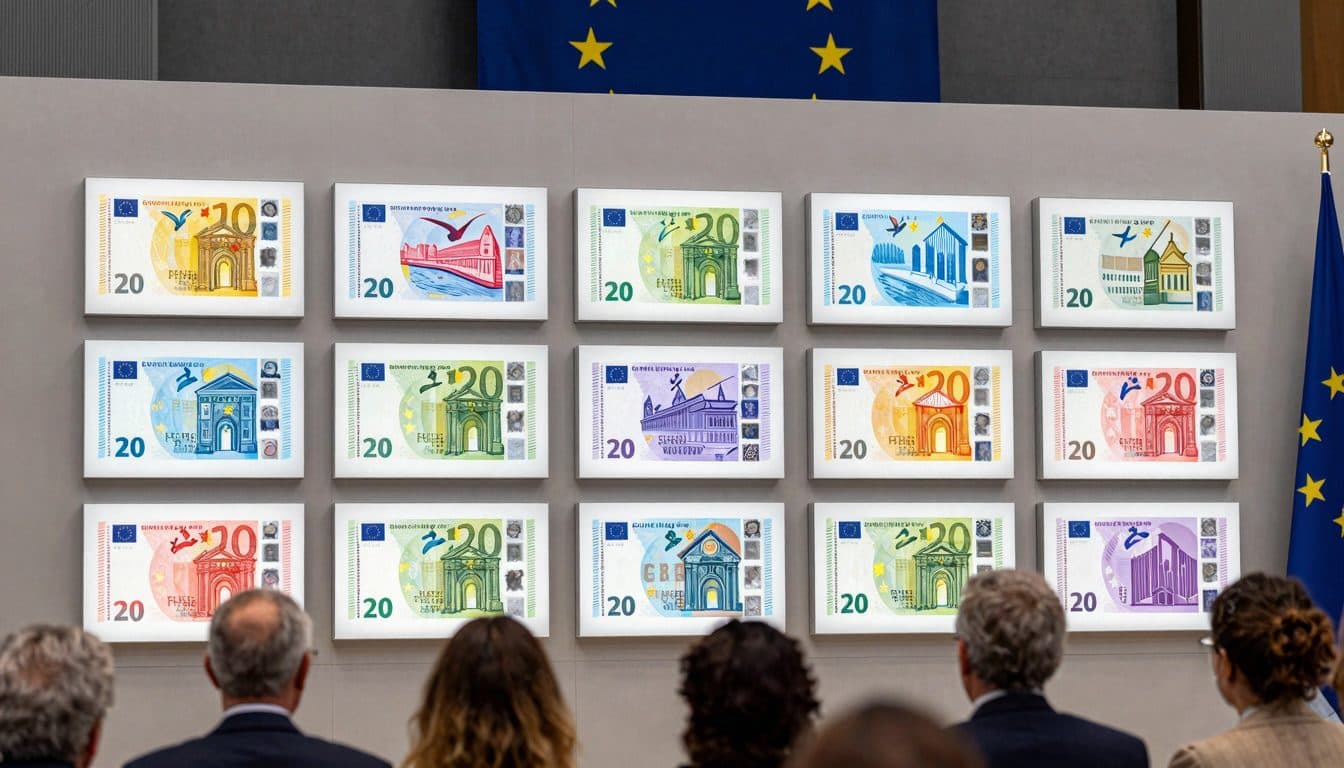
AI-generated image (z-image via Kie.ai)
Summary
The European Central Bank is inviting the public to vote on the motifs of the next euro banknote series. Ten designs are up for selection, falling under the themes "European Culture" and "Rivers and Birds" – a decision is expected by the end of 2026.
Frankfurt, July 24, 2026
The European Central Bank (ECB) is letting the public vote on the motifs of the planned new euro banknote series, with ten designs on the themes "European Culture" and "Rivers and Birds" up for selection.
Background: What the ECB Is Planning
The European Central Bank (ECB) has taken an unusual step: for the first time in this form, the citizens of the eurozone are being given a direct say in the design of their money. As the central bank announced, interested parties can click through the proposed motifs on a dedicated website and cast their vote. "The banknotes belong to you," says the ECB headquarters in Frankfurt. The vote runs until August 21, 2026.
A total of ten designs are up for selection, ranging from famous people to motifs from European fauna. For each of the two themes, there are five implementation proposals. One design takes up the theme of "European Culture" and shows famous Europeans such as Ludwig van Beethoven, Marie Curie and Leonardo da Vinci on the front. The second theme deals with "Rivers and Birds": the focus here is on "the resilience and diversity of Europe's natural ecosystems."
The Ten Designs at a Glance
The range of artistic proposals is remarkable. The fronts feature portraits of historical figures who represent science, music and art. The backs pick up the nature motifs and show stylized river landscapes and bird species that are characteristic of the different regions of the continent. The ECB justifies the choice of themes by saying that the banknotes should reflect the values and diversity of the shared currency area.
The challenge is not insignificant: keeping 21 eurozone countries with six different design ideas satisfied is a politically and culturally delicate undertaking. The shared currency is used by around 358 million people in 21 countries of the European Union. Each nation has its own historical references and aesthetic traditions that could become visible on the banknotes.
Bundesbank President Joachim Nagel underscored the importance of participation: "Take the opportunity to share your opinion and help shape the future of the euro." The more people vote, "the better the euro banknotes will reflect the diversity and values of Europe in future," Nagel said. The German Bundesbank is actively campaigning for a high turnout in the online vote.
Bundesbank President Nagel Campaigns for Participation
In parallel with the artistic redesign, the ECB is working on improved security features. "With improved and innovative security features, we want to stay one step ahead of the counterfeiters," Nagel added. The central bank had already initiated the process of redesigning the banknotes at the end of 2021. Experience shows that such processes take time: the second generation of euro notes with new security features was completed in May 2019 – roughly eight years after their launch.
Security and Timeline
Probably at the end of 2026, the ECB Council will select a proposal. Only then does the complex production and distribution phase begin. The final banknote series is therefore not expected to go into circulation before the end of the decade. Until then, the current Europa-series notes, which have been gradually introduced since 2013, will remain the common means of payment.
The ECB emphasizes that the voice of the people is an important factor, but not the only one. Experts in design, history and security technology also evaluate the designs. The final decision on the design is made by the ECB Council, in which the presidents of the national central banks of the eurozone as well as the ECB's Executive Board are represented under the chairmanship of Christine Lagarde. The President of the ECB has already publicly supported the new series project several times.
Reactions and Public Participation
Consumers can take part in the vote via the ECB's website. There, the ten designs are laid out with detailed explanations of the artists, motifs and symbolism. The central bank hopes that public participation will ensure broad acceptance of the new banknotes, which will in any case represent a radical break with the familiar designs that have been in circulation for almost 25 years.
Reactions on social media and news portals were cautiously positive. Many users welcomed the opportunity for direct participation. Some criticized that the preselection of motifs had already been made by the ECB and that citizens could only choose between predetermined variants. Others wanted even greater involvement, for example through design ideas submitted by the public.
For historians and monetary scholars, the planned redesign is also a cultural project. Banknotes are more than a means of payment: they are daily companions, souvenirs and symbols of state sovereignty. With the introduction of euro notes in 2002, this aspect was raised to the European level. The current Europa series emphasizes cultural unity without overshadowing national history. The upcoming series could develop this approach further.
Outlook: Decision at the End of 2026
The European Commission and the European Parliament have also welcomed the initiative. They see it as an expression of participatory democracy and a sign that the European institutions are seeking closeness to the citizens. A Commission spokesperson said the new banknote series should "make the values and identity of Europe visible."
The ECB plans to evaluate the results after the end of the voting phase in August 2026 and incorporate them into further consultations in the following months. Only then will the formal decision be made. The banknotes themselves will be put into circulation gradually over the coming years – starting with the smaller denominations, as was customary with previous series.
Should the ECB follow the public's proposal, it would be a first in the history of the shared currency. Previous decisions on the design of euro banknotes were made exclusively internally by expert bodies. The citizen participation now initiated marks a turning point and could serve as a model for future decisions by European institutions.
The final form of the new euro banknotes remains open for now. What is clear is that they will differ significantly from the current notes – whether through new colors, new motifs or new security features. The citizens of the eurozone still have until August 21, 2026, the opportunity to play their part in a piece of European history.
Regardless of the specific outcome, the process already shows that the ECB wants to strengthen the bond between the currency and the public. In times when trust in shared institutions is repeatedly put to the test, the invitation to 358 million people to "help shape the future of the euro" is a remarkable signal.
Questions & Answers
Which motifs are available for the new euro banknotes?
There are ten designs, divided between two themes: "European Culture" with portraits of famous personalities such as Ludwig van Beethoven, Marie Curie and Leonardo da Vinci, as well as "Rivers and Birds" with depictions of European ecosystems. There are five implementation proposals for each theme.
Until when can the public vote on the new banknotes?
The ECB is letting the public vote on the motifs on its website until August 21, 2026. Afterwards, the central bank evaluates the results before the ECB Council is expected to make a final decision at the end of 2026.
When can the new euro banknotes be expected to be introduced?
Since the ECB Council will probably select a proposal at the end of 2026 and the production and distribution of the notes takes time, the new banknotes are not expected to be issued until the end of the decade at the earliest.
New Euro Banknotes: ECB Presents Ten Designs for Selection | allfacts360