
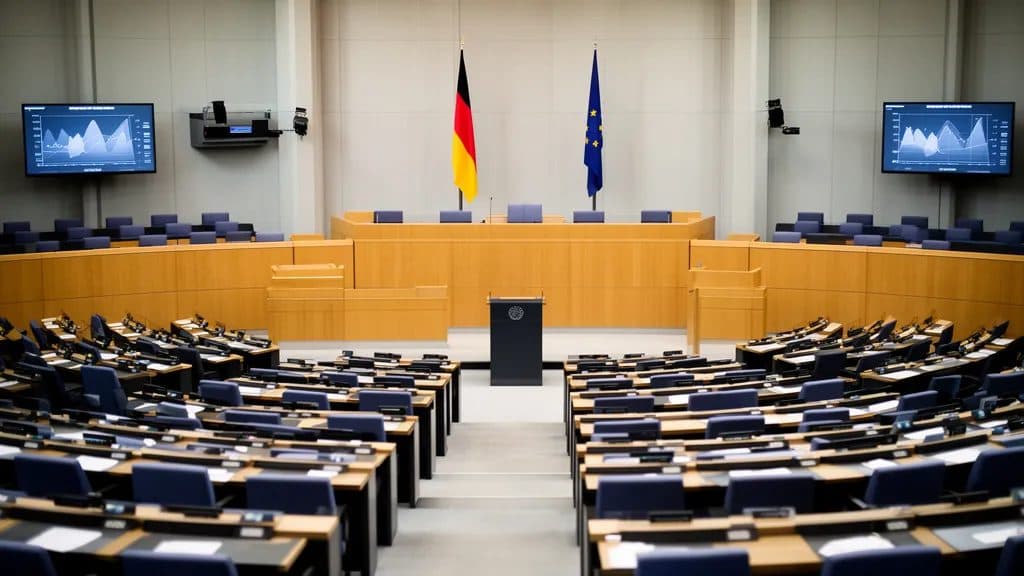
Berlin, April 17, 2026 The Bundestag has passed legislation increasing subsidies for families purchasing electric vehicles, with additional incentives of up to 1,000 euros for households with children. Germany’s lower house of parliament, the Bundestag, finalized a new policy on Thursday that boosts financial support for families transitioning to electric vehicles (EVs). The updated subsidy scheme includes an extra 500 euros per child, capped at a maximum of 1,000 euros, aimed at making EVs more accessible to households with multiple children.
The move comes as part of broader efforts to accelerate the adoption of cleaner transportation options and meet national climate targets. The subsidy adjustment reflects growing political consensus on the need to address both environmental concerns and economic barriers for families.
Subsidy Details and Eligibility
Under the revised policy, families purchasing electric cars will receive an increased base subsidy, with additional funds allocated per child. For example, a household with two children would qualify for an extra 1,000 euros, doubling the benefit for some buyers. The exact base amount was not specified in the available data, but the family-focused increments mark a significant expansion of the existing program.
The policy does not currently include income limits, according to available information, though previous iterations of EV subsidies in Germany have sometimes featured such restrictions. The absence of explicit "Einkommensobergrenzen" (income ceilings) in this round suggests a focus on broader accessibility.