EU Commission rebukes Meta over addiction risks and threatens billions in fines
Brussels, July 10, 2026
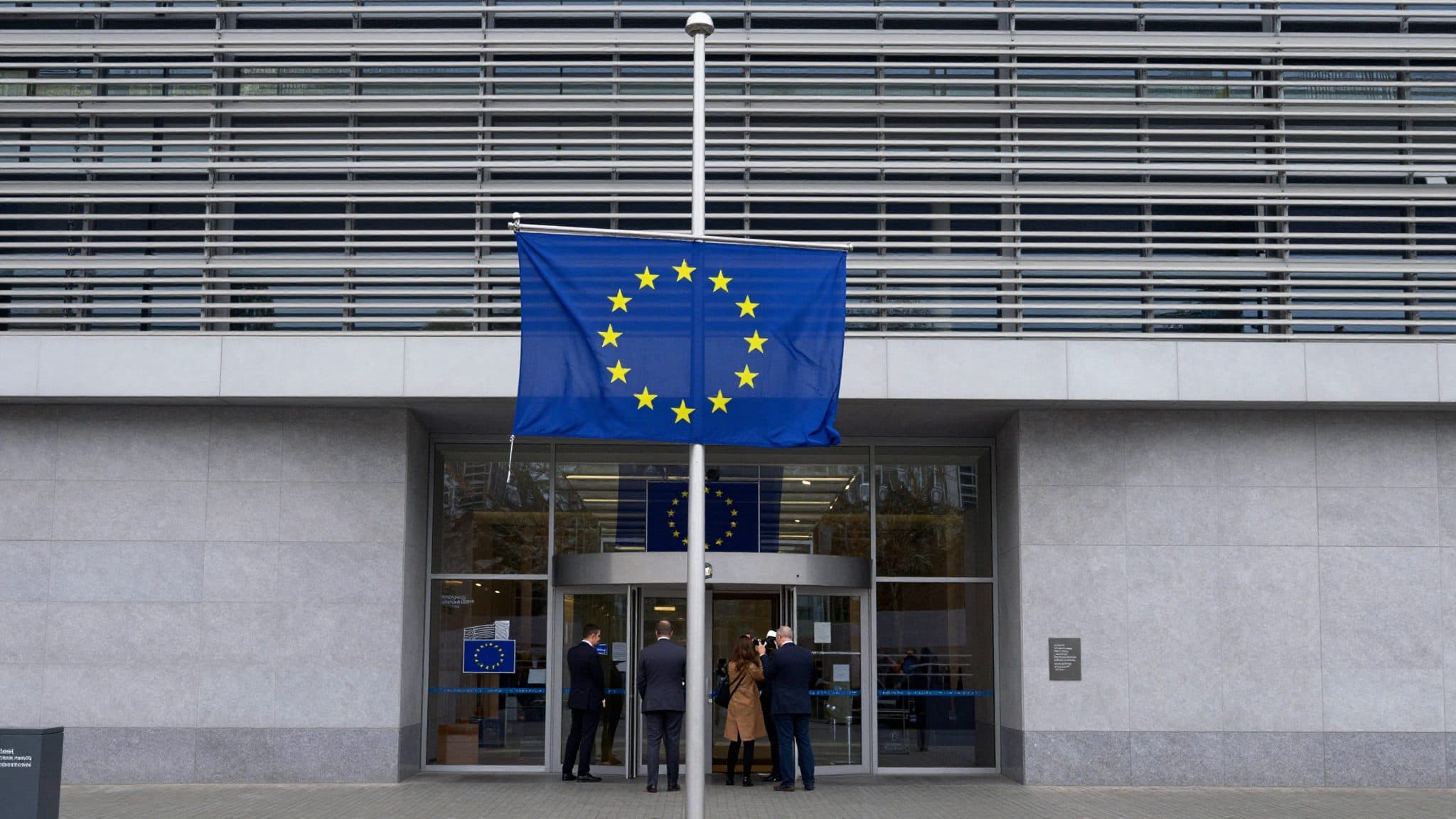
AI-generated image (z-image via Kie.ai)
Summary
The EU Commission accuses Meta of failing to adequately protect minors and vulnerable adults on Instagram and Facebook from addictive design features. Should the company fail to adjust its platforms, it faces fines of up to six percent of its global annual revenue.
Brussels, July 10, 2026
The EU Commission has reprimanded the US company Meta over the addiction risks of its platforms Instagram and Facebook and is demanding comprehensive changes to the design of the services, with fines of up to six percent of global annual revenue threatened otherwise.
Brussels sees risks for children and adolescents
The Brussels authority published preliminary results of an investigation on Thursday, according to which Meta has inadequately assessed the risks for minors and vulnerable adults and has not taken effective countermeasures. "Our investigation shows that Meta has neither adequately assessed these risks, nor offered and implemented effective measures to mitigate them," Commission spokesperson Thomas Regnier made clear in Brussels. The Commission considers the design of the platforms to be fundamentally problematic.
EU Commissioner for Technology Henna Virkkunen told the news agency Reuters: "Our assessment is that the design is too addictive, and changes must be made." Either Meta changes its design, or a decision on non-compliance with the regulations will follow. Specifically, the Commission is demanding, among other things, screen breaks and more effective mechanisms that "automatically" protect young people and give parents control.
Regnier described the consequences for users in drastic terms: "Children suffer from anxiety, depression and sleep deprivation, just to name a few examples," said the Commission spokesperson. A Commission representative added with regard to existing parental control systems that they are not effective "because you really have to be an expert to even find them and actually activate them." A default setting for young people introduced by Meta could also be easily deactivated again, according to the Commission, and was therefore insufficient. "That is not enough," said the representative.
Meta rejects the allegations
Meta rejected the preliminary findings. "We disagree with these preliminary findings," said a company spokesperson. The company pointed to its "Teen Accounts," which had been introduced since the start of the investigation to protect young people. These would "automatically" protect young people and give parents control, the company argued. Another spokesperson said the Brussels authority was not taking into account the "significant steps" Meta had taken to protect teenagers.
At the same time, the EU Commission emphasized its determination. "As you can see from today's decision, we will hold online platforms accountable, because the big tech companies should not be making money at the expense of our children's well-being," said Regnier. If nothing changes at Facebook and Instagram in line with the EU's demands, the US company faces fines of up to six percent of its global annual revenue. For Meta, this could amount to more than twelve billion US dollars (around 10.5 billion euros) according to estimates.
Minimum age and further proceedings
In parallel, Brussels is demanding in another proceeding that Instagram and Facebook enforce the minimum age of 13 stipulated in their terms of service – otherwise the parent company also faces penalties in this proceeding. The Commission has also raised the prospect of a statutory minimum age of 13, a proposal that Federal Family Minister Karin Prien (CDU) has also backed. A Commission representative said on this: "And as we know, not every parent is [an expert]." This was a reference to the limits of parental control.
At the same time, the authority is investigating Meta in another case over so-called "rabbit hole effects," in which users are pushed by algorithms toward increasingly similar content. An EU court also confirmed that the service belongs to the "gatekeeper services," which additionally strengthens the Commission's regulatory reach. The Brussels authority is thus publishing its investigation findings amid a broad debate over a minimum age for social media.
Limits of national solo efforts
The example of France shows the limits of national solo efforts: The Commission objected to the French draft law for a ban on under-15s as incompatible with EU law, meaning the text must be revised. Several countries have already restricted access to social media for under-16s or are considering such steps. A study on the Australian age limit showed, however, that such bans often remain ineffective in practice.
In the US, Meta lost a high-profile lawsuit together with YouTube over the addiction potential of its services. Jurors in Los Angeles awarded a 20-year-old plaintiff three million dollars in damages, 70 percent of which is to be borne by Meta. Last month, Meta also failed in its attempt to dismiss a lawsuit by attorneys general from 29 US states, which similarly accuses Facebook and Instagram of being addictive.
Legal pressure also in the US
The EU Commission is not alone in its approach. Other institutions and member states are also pushing for stricter rules for online platforms. The Brussels authority sees arguments in its investigation findings to further increase the pressure on the big tech companies. Observers view the approach as part of a broader strategy to readjust the role of platforms in protecting children and young people.
Mark Zuckerberg and his company are thus under pressure on several fronts: regulatory in Europe, legal in the US, and public in the debate over the mental health of young users. The Commission emphasized that it would stick to a decision announced for July 2026. Until then, Meta formally has the opportunity to respond to the preliminary findings and submit further protective measures.
The EU Commission had already initiated proceedings against Meta last year and has since been examining whether the company is fulfilling its obligations under the Digital Services Act. With the publication of the preliminary findings, the investigation is entering a decisive phase. Should the Commission ultimately determine an infringement, it could not only impose a fine but also decide on structural requirements for the operation of Instagram and Facebook in the EU.
Economic consequences for Meta
The debate over the psychological consequences of excessive social media use has intensified internationally in recent years. Studies point to connections between intensive use and sleep disorders, depressive symptoms, and anxiety in young people. The EU Commission is now taking up these findings and making them the starting point of its regulation.
For Meta, the financial stakes are considerable: A fine of up to six percent of global annual revenue would cost the company a double-digit billion amount according to analyst estimates. In addition, there are possible requirements that could directly affect the business model of the advertising-funded platforms. Meta Platforms' share price reacted to the news with losses, while analysts assessed the situation inconsistently.
The coming weeks will show whether Meta will comply with Brussels' demands or accept the conflict with the EU Commission. Observers expect the company to first exhaust all legal avenues. At the same time, political pressure is growing to uniformly regulate the protection of minors on digital platforms across Europe.
This news was broadcast on July 10, 2026 on Deutschlandfunk. The EU Commission announced that it would decide on possible violations of the Digital Services Act this summer.
Questions & Answers
What exactly does the EU Commission accuse Meta of?
The EU Commission accuses Meta of having inadequately assessed the risks for minors and vulnerable adults on Instagram and Facebook and of not having taken effective countermeasures. The design of the platforms is too addictive, according to EU Commissioner for Technology Henna Virkkunen.
What fine does Meta face if it violates the rules?
Should Meta fail to implement the demanded changes, a fine of up to six percent of global annual revenue is threatened. For Meta, this could amount to more than twelve billion US dollars (around 10.5 billion euros) according to estimates.
How is Meta responding to the allegations?
Meta rejected the preliminary findings and stated that it disagreed with them. The company pointed to its "Teen Accounts" for the protection of young people and criticized that the Brussels authority was not taking into account the "significant steps" Meta had taken to protect teenagers.
EU Commission rebukes Meta: Addiction risks on Instagram | allfacts360