
Hamburg, 18 August 2026
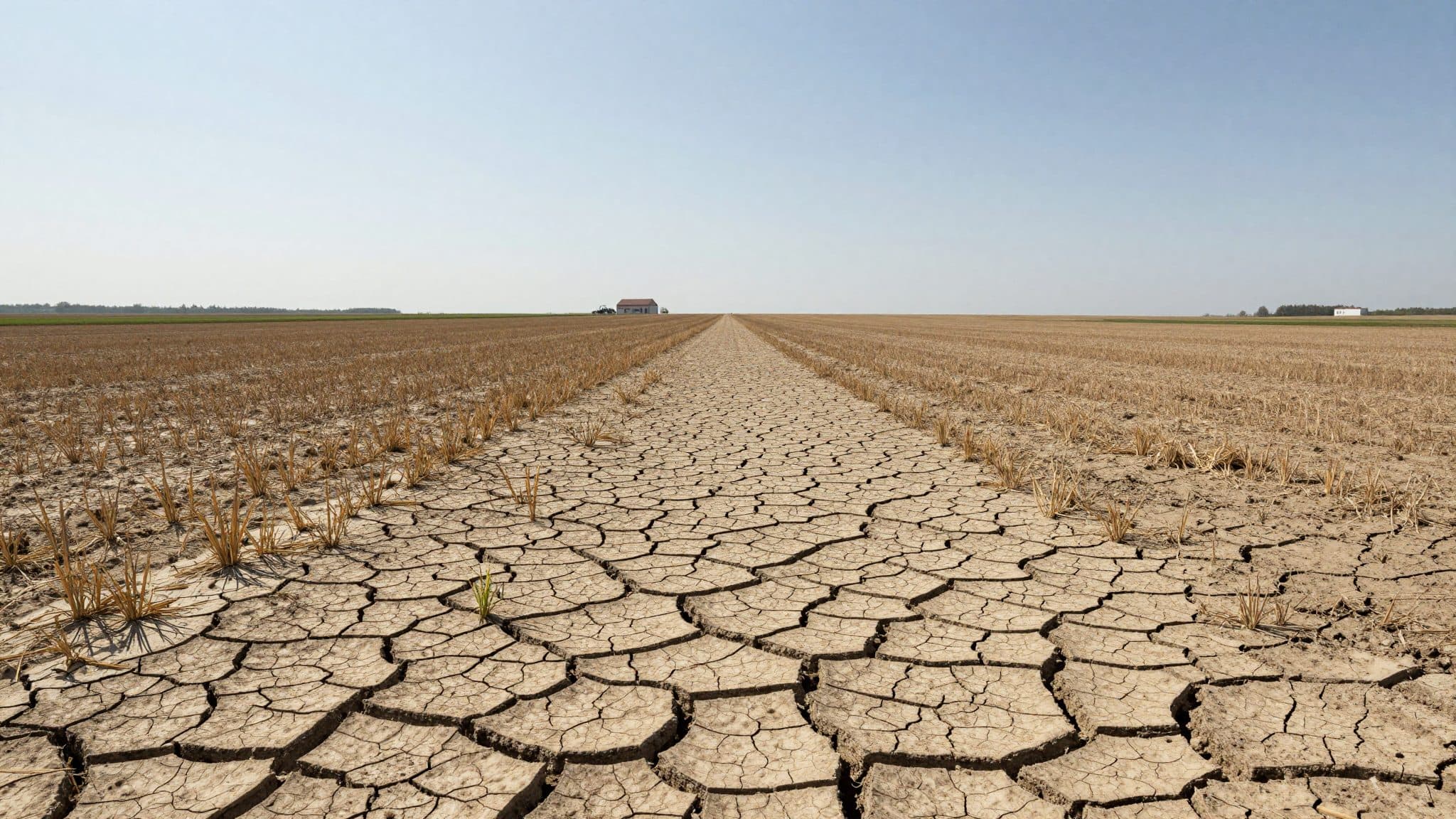
The German Farmers' Association expects a significantly smaller harvest in Germany because missing rainfall in southern and western Germany is weakening yields.
The German Farmers' Association is preparing for a noticeably smaller harvest. President Joachim Rukwied explained that the absent rainfall in southern and western Germany has led to weak yields and, for individual crops, even to crop failures. Rukwied stated verbatim: „Insbesondere in Süd- und Westdeutschland haben fehlende Niederschläge zu schwachen Erträgen bis hin zu Missernten bei einzelnen Kulturen geführt“
The figures concern agricultural operations in various regions of Germany. Individual crops whose yields are significantly declining due to the dry conditions are particularly affected. Rukwied's statement was confirmed by five sources.
Impacts in the Regions
Agriculture also plays a role in Hamburg. According to the available figures, there are around 500 agricultural operations there. This figure shows that the German Farmers' Association's harvest assessment considers not only major growing regions but also the agricultural structure in individual federal states.
The Alte Land region is mentioned multiple times in the available reports. However, the material contains no reliable data on concrete harvest volumes or individual operations there. The report also provides no precise harvest forecast for Hamburg.
Potatoes and Other Crops
Regarding potatoes, the facts reference the impacts of the weather. These include weak yields up to crop failures for individual crops. Further figures on cultivated areas, losses, or prices are not provided.
The report makes clear that the missing rainfall can have regionally varying consequences. According to Rukwied, southern and western Germany are particularly affected by the yield losses. The statements refer to the current development, without the sources providing further details on the exact growing regions.
What the Report Does Not Answer
In addition to Germany, Austria is also mentioned in the facts. However, the available information provides no concrete statement on how the harvest is developing there. A connection between the conditions in Austria and the expectations for Germany is not established in the verified data.
For agricultural operations, the development means they must expect lower yields. The German Farmers' Association's account names no state aid or other concrete responses. It therefore remains open what measures operations can take against the consequences of the missing rainfall.