Inclusive Trail Opens in National Park: Nature Experience Without Barriers
Berlin, 18 July 2026
AI-generated image (z-image via Kie.ai)
Summary
A newly designed, inclusive trail has been opened in the national park, enabling visitors with and without disabilities to experience nature without barriers. The trail connects nature, education, and recreation, setting a benchmark for participation and accessibility in protected areas.
Berlin, 18 July 2026
A newly designed inclusive hiking trail was opened in the national park on Friday, allowing people with and without disabilities to share a barrier-free nature experience.
A Trail for Everyone
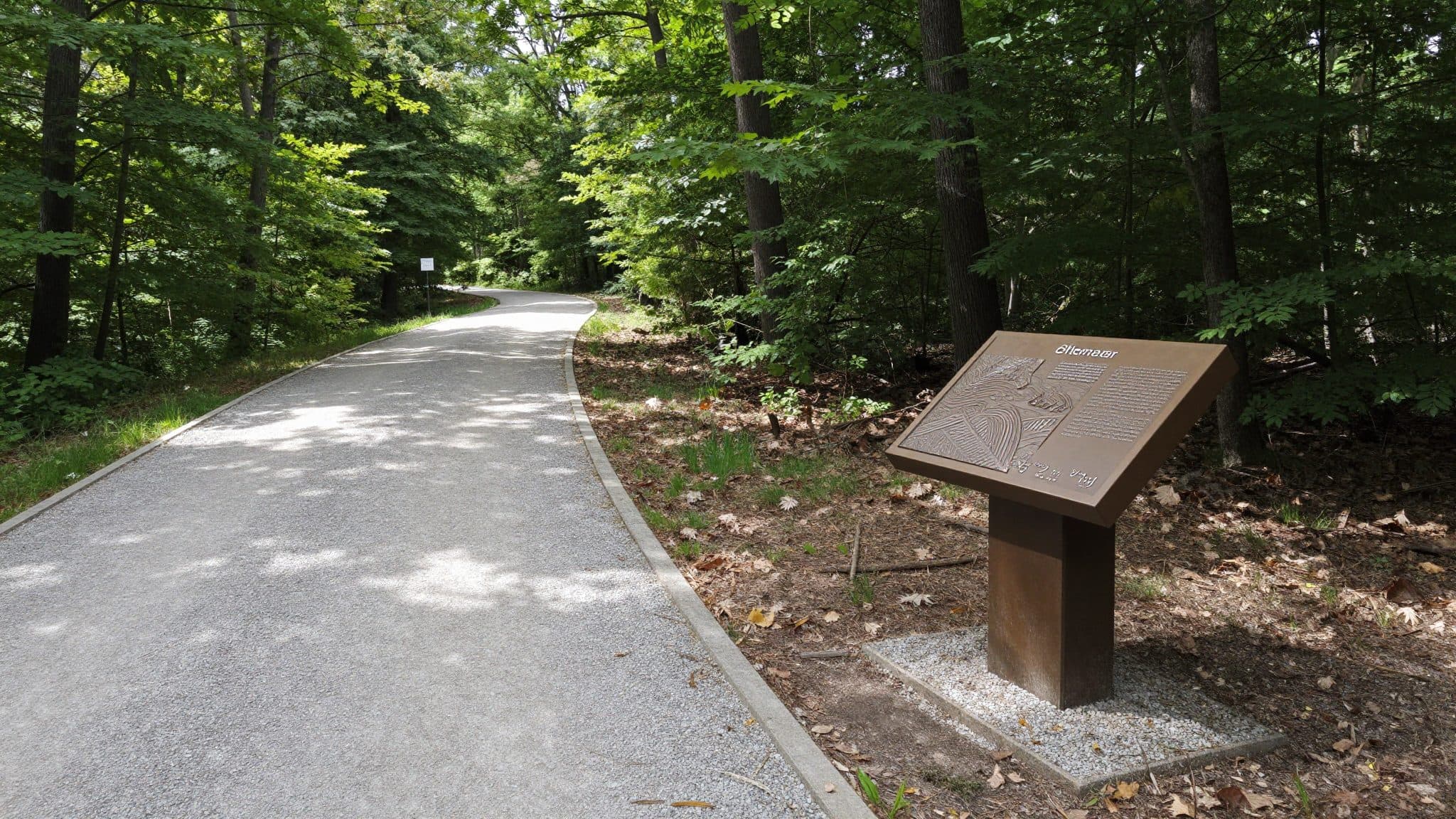
The trail is part of a comprehensive program to strengthen accessibility in Germany's protected areas and was developed together with associations, municipalities, and conservation organizations. As the organizers announced, the route stretches for several kilometers through diverse woodland and meadow landscapes, passing information stations and viewpoints. The surface has been designed so that it can be safely used with wheelchairs, rollators, and strollers.
With the opening, a long-held wish of visitors with mobility impairments has become reality, as project leaders emphasized at the ceremonial inauguration. The trail makes it possible to experience the special features of the national park directly, without having to take lengthy detours or rely on technical aids. Nature is thereby no longer understood as an exclusive experience for a small group, but as a shared space for everyone.
Stations to Touch and Hear
Numerous stations have been created along the route that engage the senses and convey knowledge: tactile models show the shapes of native tree species, listening stations bring bird songs to life, and information panels in Braille as well as in plain language provide information on geology, wildlife, and conservation measures. In several places, seating areas with backrests and ample space to move invite visitors to linger. A continuous guidance system of high-contrast ground markings and tactile strips assists visually impaired people with orientation.
Construction work took around two years in total and was carried out by local craft businesses as well as specialized companies for barrier-free building. Particular emphasis was placed on the use of regional, sustainable materials, including FSC-certified wood for railings and benches, as well as water-bound path surfaces that blend harmoniously into the landscape. According to those involved, the project costs amounted to a low single-digit million figure, financed with funds from the national park, the state, and European funding programs.
Planned Together with Associations
In advance, the plans were coordinated in a multi-stage participation process with representatives of disability associations, schools, and conservation initiatives. Their suggestions flowed directly into the design, for example in the choice of the route, the arrangement of rest areas, and the design of the information panels. This approach is praised by experts as exemplary because it understands participation not merely as an outcome, but as a process.
Representatives of the national park pointed out that the inclusive trail should also be used for educational purposes. School classes of all age levels could experience topics such as biodiversity, climate change, and sustainable land use up close here. In cooperation with local educational providers, guided tours are planned that are specifically tailored to the needs of groups with different abilities. The trail thus becomes an extracurricular learning place that connects inclusion and nature understanding.
New Opportunities for Tourism and Education
The project also opens up new perspectives for tourism: travel operators specializing in barrier-free offerings have already signaled interest in including the national park in their programs. Hotels and inns in the surrounding area are currently investing in appropriate adaptations to be able to welcome guests with different needs. The inclusive trail could thereby also provide economic impulses for the structurally weak region.
From a nature conservation perspective, care was taken during planning to protect sensitive habitats and to keep the impact on nature as minimal as possible. The trail alignment and choice of materials were coordinated with biologists and with the lower nature conservation authority. The route runs predominantly along existing paths and avoids additional sealing. Rainwater infiltration and the preservation of existing vegetation were central to this.
Conservation and Accessibility in Harmony
The project receives scientific support from an institute for environmental education and inclusion research, which will study the use and impact of the trail over several years. The aim is to gain insights into how nature experience and inclusion in protected areas can be thought together on a lasting basis. The results are also intended to serve as guidance for other national and nature parks.
At the opening ceremony, speakers from politics, administration, and civil society highlighted the importance of the project for social cohesion. Inclusion is not a special task, but a matter of course that must be anchored in all areas of public life. With the new trail, the national park can show that this is also possible in sensitive natural areas.
International guests were also present, including representatives of neighboring national parks who are planning or have already implemented comparable projects. The exchange of best practices, standards, and financing models is to be further deepened in the future. The inclusive trail thus joins a growing European movement that regards protected areas as places of education, recreation, and participation for all.
Digital Support and Outlook
Alongside the opening, a brochure was published in printed and digital form that introduces the trail, its stations, and the surrounding nature. An accessible app complements the offering and provides, among other things, audio descriptions, sign language videos, and interactive maps. The app can be installed free of charge on mobile devices and makes a visit plannable even for people who cannot walk the trail in person.
The response immediately after the opening was overwhelmingly positive: on the very first weekend, numerous families, school groups, hiking enthusiasts, and people with disabilities made use of the new offering. Many expressed the wish that further trails in the national park and in the adjoining nature parks be redesigned in a comparable way. Those responsible announced that the experiences from the pilot project would be evaluated and that further steps would be examined on this basis.
In the medium term, the inclusive trail could become a model for all of Germany, as the organizers emphasized. In many protected areas there are still considerable barriers that make access to nature difficult. The project shows that nature conservation and accessibility are not mutually exclusive, but complement each other meaningfully. It is now up to policymakers to provide the necessary funds and to further improve the legal framework.
In the long term, the vision of those involved is that every person – regardless of age, origin, or physical prerequisites – should have the opportunity to experience the beauty and diversity of domestic natural landscapes. The newly opened inclusive trail in the national park is a visible sign that this vision is becoming reality step by step.
Questions & Answers
What was opened in the national park?
A newly designed inclusive hiking trail was opened in the national park, which can be used together with and without disabilities. It connects nature, education, and recreation and is designed to be barrier-free.
What stations are there along the trail?
Along the trail, tactile models of tree species, listening stations with bird songs, and information panels in Braille and plain language have been set up. Seating areas with backrests and a tactile guidance system complement the offering.
Who planned the inclusive trail?
The trail was planned together with disability associations, schools, conservation initiatives, and specialized construction companies. It was financially supported by the national park, the state, and European funding programs.
Inclusive Trail National Park Accessible Nature Experience | allfacts360