
Washington, 19 August 2026
The Kennedy Center has informed a federal judge that it will not take steps to restore Donald Trump's name to the building before a scheduled September 8 hearing in a lawsuit brought by former Representative Joyce Beatty.
Background of the dispute
In a court filing submitted Tuesday, attorneys for the Kennedy Center told U.S. District Judge Christopher Cooper that no work is planned to undo the recent changes to the building's exterior before next month's hearing. The center's position came in response to arguments by Beatty's legal team, who have asked the judge to order the institution to reinstall the Trump name that had been added to the facade in recent years.
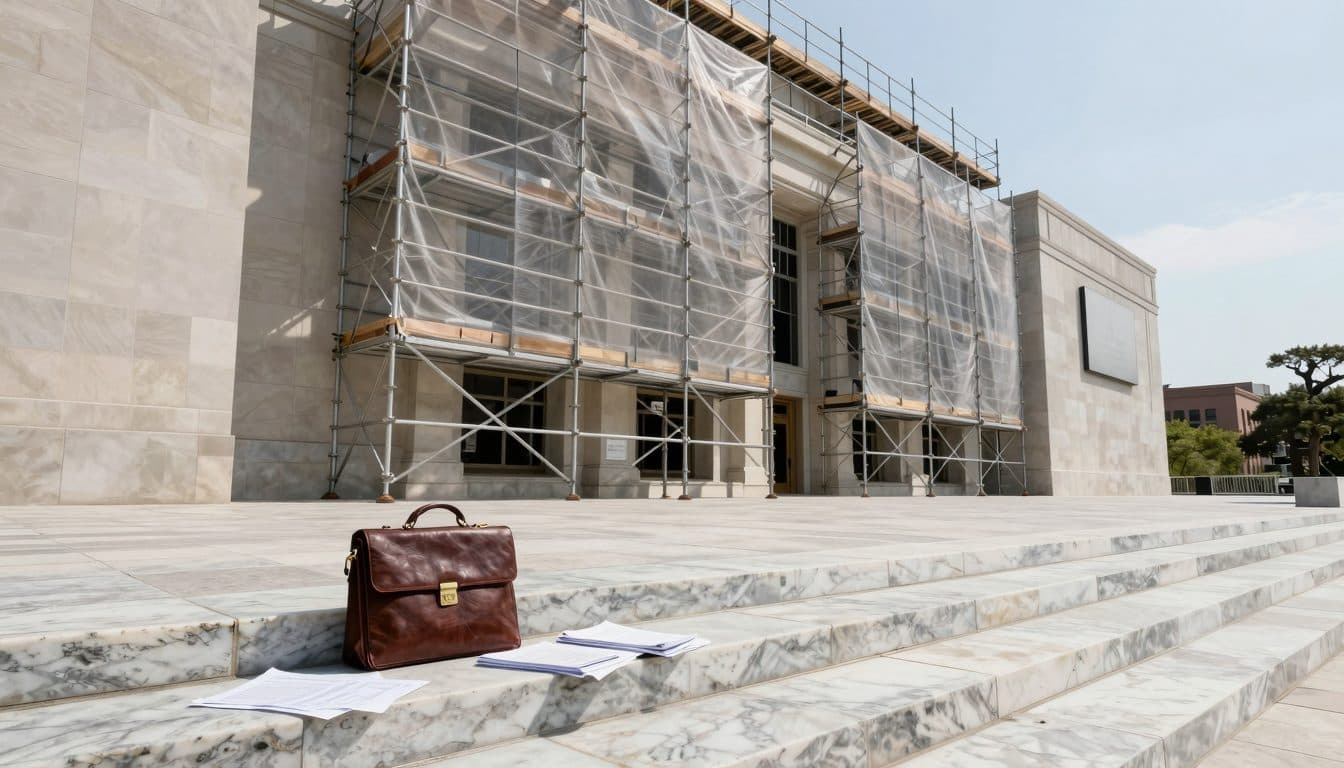
Beatty's lawyers have pressed the case forward, contending that the institution's stated reasons for keeping scaffolding and tarps in place around portions of the building are not credible. In Tuesday's filing, they said the scaffolding was still in place to help workers "investigate, and engineer structural repairs to the overhead soffit." Beatty's lawyers say that explanation falls flat since "the soffits are some twenty feet or more above the scaffolding." They're asking Cooper to issue an order that would require the center to explain why the tarp should not be taken down in coming weeks.
The legal arguments
The dispute centers on the renaming of the performing arts venue, which had been rechristened to bear Trump's name during his most recent presidential term. After the latest change in administration, the center's leadership moved to revert the building's name back to its original designation honoring President John F. Kennedy. Beatty, who represented an Ohio district in Congress, has argued that the move to strip the Trump name was improper and has sought judicial intervention to restore it.
The Kennedy Center's lawyers have indicated that the physical condition of the building, rather than the ongoing litigation, accounts for the continued presence of construction materials on the facade. They cited engineering assessments by Delta Consulting Group, a firm that has been involved in evaluating the structure, as the basis for keeping certain areas covered while inspections and repairs are carried out. Beatty's team has challenged that characterization, suggesting the repairs could proceed without preventing the restoration of the name.
What the judge will consider
Judge Cooper has not yet indicated how he intends to rule on the requests before him. The September 8 hearing is expected to address both the center's justification for keeping the coverings in place and Beatty's broader claims about the name change. Whatever Cooper decides could shape not only the appearance of the iconic building along the Potomac River but also the legal ground rules for how cultural institutions handle naming disputes tied to political figures.
The case has drawn attention because of the unusual intersection of presidential politics, federal property, and the symbolic weight of one of the nation's most prominent cultural venues. The Kennedy Center, located just steps from the White House, hosts the annual Honors celebration and serves as a national stage for the performing arts. The decision to add and then remove Trump's name has fueled partisan debate, with supporters of the move arguing it returned the institution to its founding identity and critics contending it amounted to political erasure.
Political and cultural stakes
Beatty's legal team has framed the fight as one about institutional integrity and public memory. They argue that once a name is lawfully affixed to a federal building, it should not be removed without clear statutory authority or a formal process. The center's filings, by contrast, emphasize the practical realities of building maintenance and the need to complete structural work before any further changes to the exterior signage.
Observers expect both sides to file additional briefs before the September hearing, and there is the possibility that Cooper could rule from the bench or take the matter under advisement. Either way, the case is likely to set a precedent for how future disputes over the naming of federal cultural sites are resolved, particularly when they involve sitting or former presidents.