
Oslo, 13 July 2026
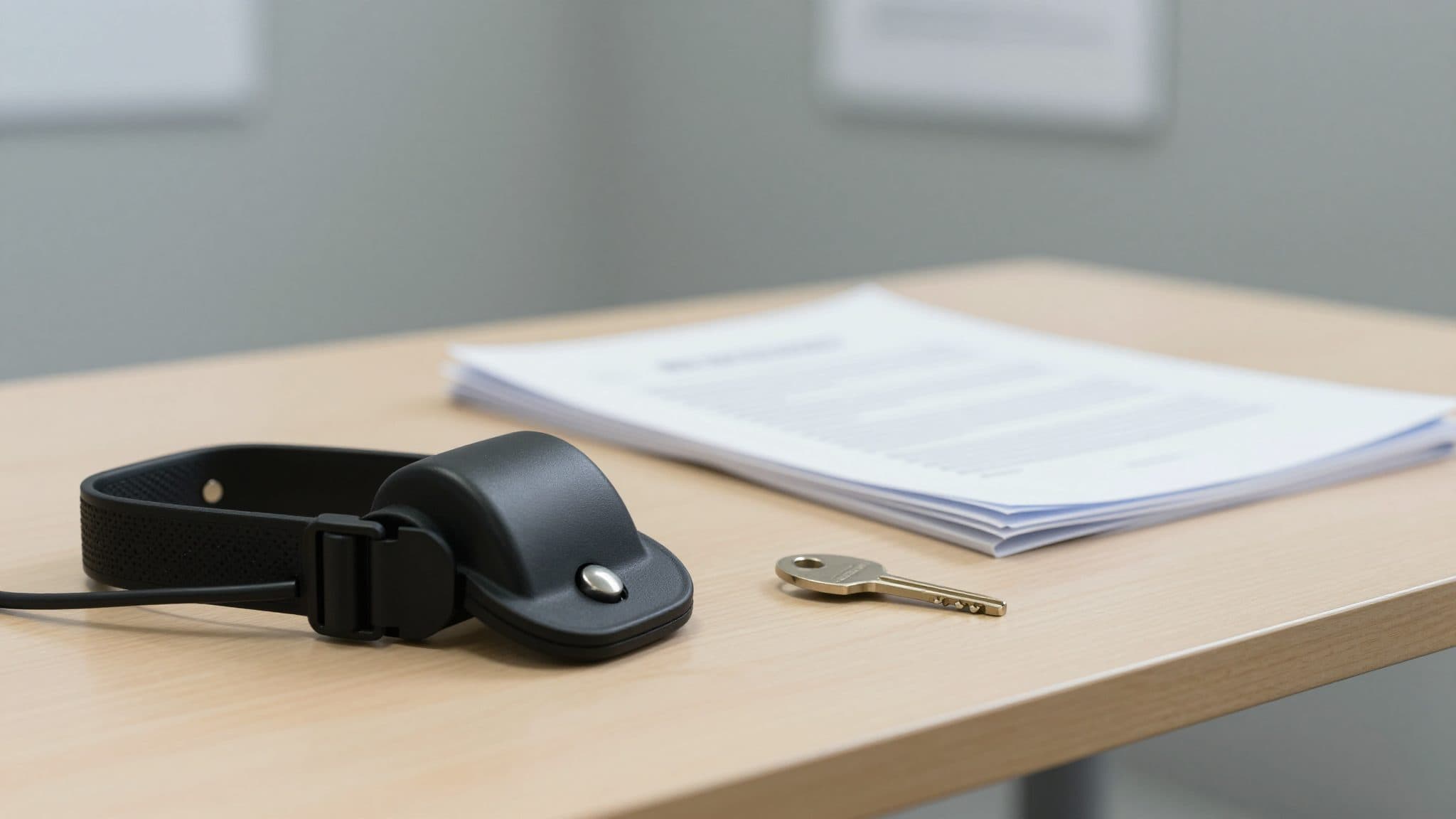
The competent court in Oslo decided on Monday that Marius Borg Høiby, the eldest son of Norwegian Crown Princess Mette-Marit, may serve his pretrial detention with an electronic ankle bracelet at his residence, as reported by broadcaster NRK.
What is new since 13 July 2026
Update of 13 July 2026: Marius Borg Høiby has been released from pretrial detention and is now under house arrest with an electronic ankle bracelet. The Norwegian court in Oslo decided on Monday to uphold the pretrial detention for another four weeks, but to have it served at the 29-year-old's residence rather than in a detention facility. After roughly five and a half months in pretrial detention, Høiby is thus returning to his own apartment for the time being, while remaining bound by the conditions imposed by the judiciary.
Høiby's lawyer Petar Sekulic spoke following the decision outside the court and described the ankle bracelet arrangement as a workable solution for the coming weeks. „Das ist eine Option, mit der er in den nächsten Wochen leben kann, und dann werden wir sehen, was danach passiert“, said Sekulic according to NRK. At the same time, he stressed that his client was satisfied with the decision, as emerges from earlier reports on release requests.
Background: Pretrial detention since February 2026
What is new since 13 July 2026
Since the last reporting, the court in Oslo has formally decided that pretrial detention will continue for another four weeks – but Høiby is now allowed to serve it with an electronic ankle bracelet at his private residence. What is also new is that Høiby personally addressed the court, referring in particular to his mother Mette-Marit.
The 29-year-old said: „Dass ich meine Mutter nicht unterstützen darf, ist unglaublich schwierig.“ He criticised that his siblings were able to take part in the Crown Princess's rehabilitation, while he himself remained excluded and was only allowed to see her once a week for 45 minutes. „Die ganze Familie ist für meine Mutter da“, he added. Before the court, Høiby also complained that it was „äußerst unfair“ that he was not allowed to be with his sick mother.
Role of the court and the lawyers
Background: Pretrial detention since February 2026
Høiby has been in pretrial detention since the beginning of February 2026. The Norwegian police had at the time seen a risk that he might commit further offences. According to the competent authorities, a contact ban is in place against his ex-girlfriend, which the Norwegian is said to have violated repeatedly. These violations also played a role in the subsequent investigations and were part of the reasoning for maintaining the detention.
Reaction from the royal family
The criminal proceedings against Høiby had already concluded in June of last year with a conviction to four years' imprisonment. The verdict covers 34 offences, including two rapes under Norwegian law as well as violence against an ex-girlfriend. However, it is not yet final, as Høiby filed an appeal against the prison sentence in June. Until the proceedings reach a final conclusion, the court will rule anew at regular intervals on the execution of the detention.
Role of the court and the lawyers
Political and social context
The repeated requests for release had failed several times in recent months, as emerges from reports from March 2026. The judges in Oslo consistently weighed the right to personal liberty against the risk of further offences identified by the police. The solution now adopted – ankle bracelet and house arrest – is regarded in such proceedings as a compromise: the accused remains under supervision but can live in his familiar surroundings.
Lawyer Sekulic had once again demanded his client's release prior to the decision. He pointed to the Crown Princess's state of health and to the strain that the detention meant for the entire family. In the oral hearing on Monday, Høiby himself was given the opportunity to speak – a step that is not a matter of course in Norwegian criminal proceedings and was highlighted particularly in the reporting.
Outlook
Reaction from the royal family
Mette-Marit, the Norwegian Crown Princess, has long suffered from a chronic illness, which has led her to restrict public appearances at times. The precise circumstances of her rehabilitation are not publicly known. What is clear is that the royal family regards the situation as a burden, and Høiby told the court that the whole family was supporting his mother.
At the same time, reports from Oslo made clear that the conflict over the visitation arrangements – just once a week for 45 minutes – continues to strain relations within the family. While Høiby's siblings are apparently more closely involved in the Crown Princess's daily life, these contacts are denied to him. The Norwegian royal household has not publicly commented on its son's statements before the court so far.
Political and social context
In Norway, the case has been discussed intensively since the start of the trial, both in the media and among the public. Commentators assessed last year's verdict as „eine ernste Sache für das Königshaus und die Monarchie“. The reporting on the crisis in the Norwegian royal household before the verdict against Høiby also shows how much the case has affected perceptions of the monarchy.
Legally, it remains to be seen how the appeal proceedings will conclude and whether the four-year prison sentence will be upheld on appeal. Until then, the court in Oslo will have to rule regularly on the conditions of detention. According to the lawyers, the current solution with the ankle bracelet is an initial step, which may be followed by further decisions.
Outlook
For the coming weeks, the central question is whether the ankle bracelet arrangement will hold or whether the court will rule anew on the form of detention once the four weeks have elapsed. Sekulic indicated that one would then see how things continue. Høiby himself had recently used earlier release requests to draw attention to his situation and to his mother's illness.
In parallel, the appeal proceedings against the prison sentence from last year are ongoing. As long as these are not concluded, the conviction continues to be considered not final. Høiby's legal situation therefore remains provisional even after the switch to house arrest – with possible further court dates and decisions in the months ahead.
Reports on individual procedural steps, including earlier failed release requests, had already been published in March and June 2026. The reporting on the switch to house arrest was disseminated, among other channels, via the dpa news wire, as emerges from the source reference of the report.
Overall, the current ruling shows that the court in Oslo is seeking a middle way between security interests and the personal circumstances of the accused. The electronic ankle bracelet allows Høiby to spend the coming weeks at his residence, while the judiciary retains oversight. What happens after the four weeks have elapsed will only become clear with the court's next decision.