
Paris, 10 August 2026
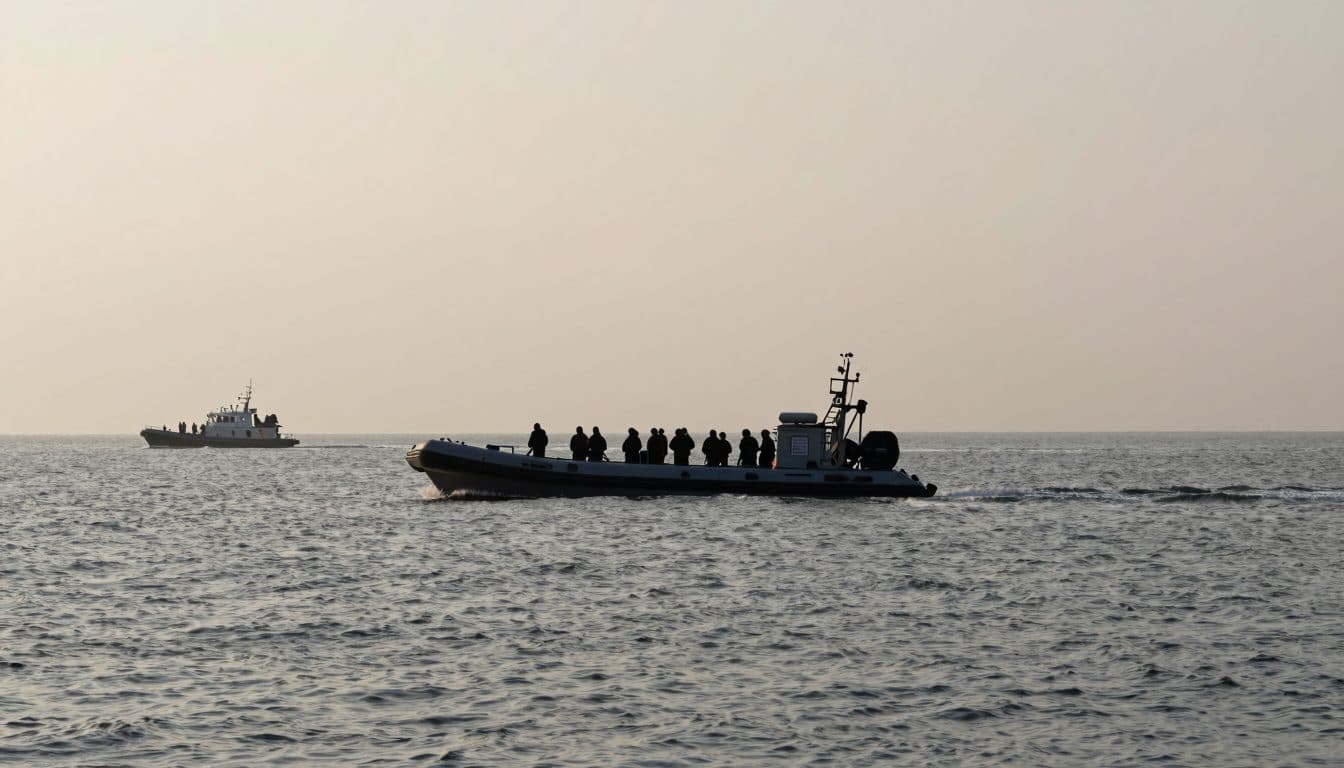
French rescue workers registered an approximately 15-meter-long dinghy with 230 migrants in the English Channel on Sunday – according to local SNSM chief Jean-Marc Lamblin, the highest number counted in a single boat on this route to date.
One boat, 230 people
According to the SNSM, the crossing took place in the early hours of Sunday morning. French sea rescuers initially accompanied the dinghy in their waters and later handed it over to British colleagues, as SNSM chief Jean-Marc Lamblin told the AFP news agency. Lamblin spoke of a "new, sad record number" and warned that the number of such crossings on a single boat is continuing to rise.
In the previous months, British and French authorities had already registered an increase in such large boats. According to rescue services, the size of the boats and the associated number of people on board significantly increase the risk of capsizing or a medical emergency during the crossing. The BBC had also repeatedly reported on similar incidents in recent weeks.
Renewed agreement between London and Paris
In April of this year, according to British sources, Paris and London agreed on a renewed version of their joint agreement to combat smuggling networks in the English Channel. The aim was to intensify cooperation between the police, border protection, and judiciary of both countries and to take a closer look at the financial backgrounds of the smuggling gangs.
The renewed agreement provides, among other things, that British investigators can be deployed in France and that proceeds from smuggling activities – such as seized boats and cash – can be more easily confiscated. Both governments stressed at the time that they wanted to reduce the number of crossings and at the same time improve the living conditions for those seeking protection.
The reality of the past months, however, shows the opposite: time and again, smugglers bring groups across the strait in unseaworthy dinghies, on one of the world's busiest shipping lanes between Dover and Calais. In calm seas, the crossing appears short, but currents, cold, and shipping traffic make it dangerous.
Rescue services at their limit
Rescue organizations such as the SNSM and its British counterpart have been warning for years that larger boats overload the already tight capacities of sea rescue. A single boat with more than 200 people alone ties up personnel and vessels for hours and thus blocks operations elsewhere along the coast.
Britain has most recently experienced increasing controversy over the accommodation of asylum seekers. The British government is under pressure to improve both the number of crossings and the conditions in reception facilities. At the same time, criticism is growing of the smugglers who charge a lot of money for the often breakneck crossings.
The situation on the French side also remains tense. Along the coast around Calais, Dunkirk, and Boulogne, numerous migrants continue to stay in makeshift camps, which are repeatedly cleared by the police. Human rights activists accuse both states of undermining the fundamental right to asylum through policies of deterrence.
Political debate and demands
With the current record, the question of the effectiveness of the British-French agreement is once again being raised. Observers point out that smuggling gangs respond flexibly to new measures and adjust routes, boats, or departure times. As long as the structural causes of flight are not addressed, critics say, new ways will be found.
The authorities called on people who get into distress in the Channel to immediately call the emergency number and inform the sea rescuers. According to British sources, the crossing ended for the 230 migrants without confirmed deaths, but Lamblin and other helpers emphasized that every additional day with comparable boats increases the likelihood of a disaster.
The coming weeks are considered decisive: in calmer weather in late summer, the numbers of crossings traditionally rise further. Rescue services on both sides are preparing for further large boats, according to the SNSM – and are at the same time seeking political dialogue with London and Paris in order to defuse the situation on the coast.
The United Nations and the International Organization for Migration (IOM) have repeatedly emphasized the mortal danger of such crossings and appealed to both governments to open legal routes to the United Kingdom in order to make smugglers superfluous. It remains unclear whether the latest figures will accelerate the debate on new safe routes.