
Gary, Indiana, 20 August 2026
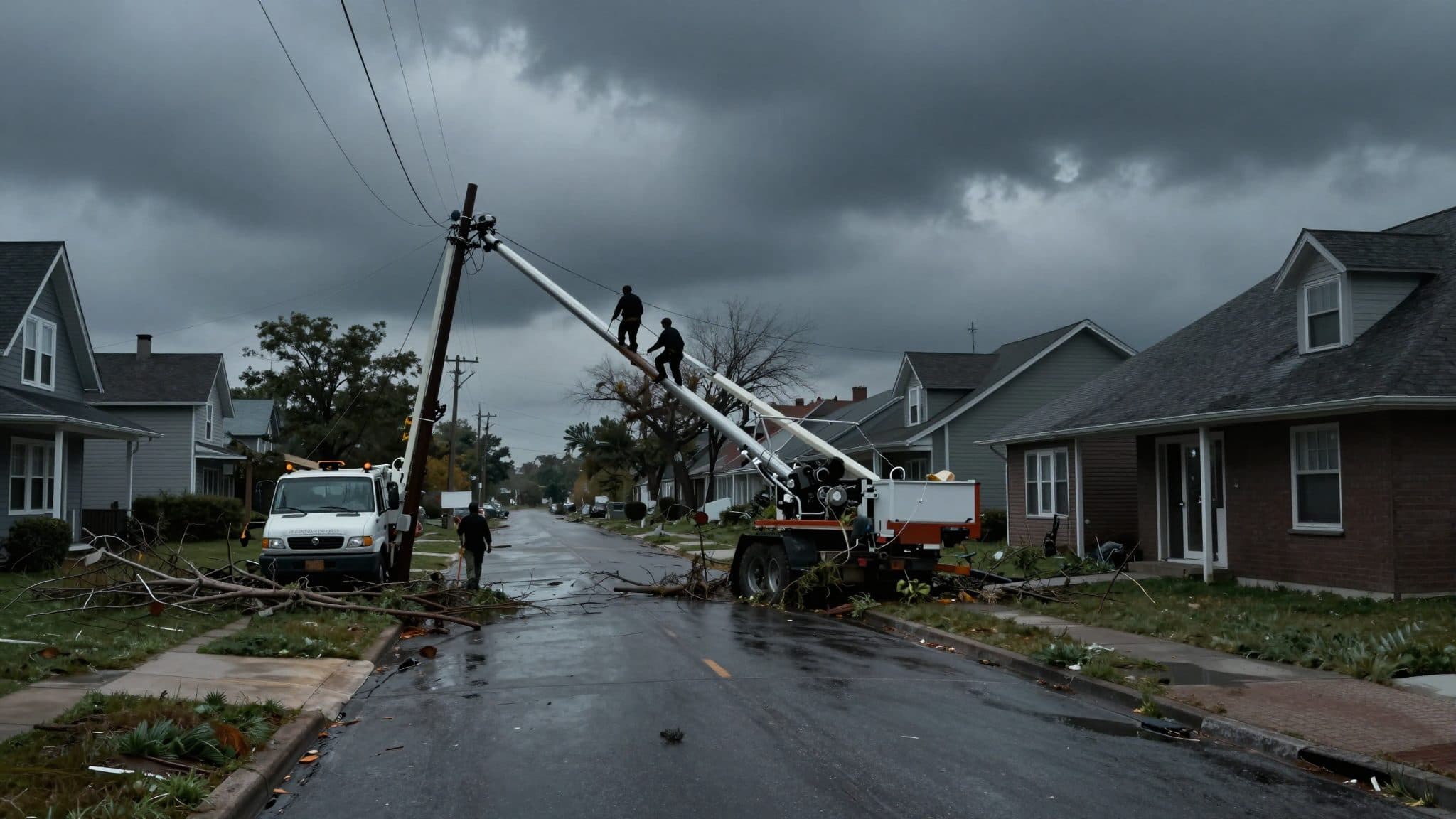
Tens of thousands of households across Indiana were still without electricity on Wednesday after severe storms swept through the state, prompting frustration among residents and pushback from the utility against allegations of racial bias in restoration efforts.
Scale of the outages
The outages have left residents in cities including Gary scrambling for alternatives. Myra Carden, a Gary resident, said she has relied on a generator to keep her refrigerator running, but only when someone is home to watch it. The improvised arrangement underscores how households in hard-hit neighborhoods have coped as utility crews have worked to restore service.
Northern Indiana Public Service Co. (NIPSCO) has acknowledged the scale of the disruption but defended its restoration priorities. 'We have areas that are probably affluent where we still have customers out as well. … This has nothing to do with race or any type of division. It's really a matter of where the storm hit,' Melody Birmingham, a NIPSCO spokesperson, said in response to accusations of racial bias in the response effort.
Local officials have demanded answers. Eddie Melton, a Gary representative, has been among the public figures pressing NIPSCO on the pace of restoration and the geographic distribution of crews. The criticism has intensified as the numbers of those still in the dark have remained stubbornly high days after the storm passed.
Utility response and criticism
Across affected communities, the human toll has grown more visible. Residents have reported spoiled food, sleepless nights in sweltering homes, and concern for elderly neighbors and relatives who depend on electrically powered medical equipment. Cooling centers have been opened in some areas, but reaching them has been difficult for those without transportation.
Utility crews have worked extended shifts, according to NIPSCO, and additional line workers have been brought in from neighboring regions. The company has said that damage assessments are still underway in some of the hardest-hit corridors and that full restoration in the most affected pockets could take additional days.
Community leaders in Gary have organized informal check-ins on elderly residents and others vulnerable to heat-related illness. Volunteers have distributed water and ice, and local churches have served as cooling and charging stations. The collective effort has been credited with preventing more serious health emergencies even as the formal utility response has lagged.
State emergency management officials have been monitoring the situation and coordinating with county-level agencies. While no widespread injuries have been directly attributed to the outages, officials have urged residents to avoid using outdoor generators indoors and to check on neighbors who may be isolated.
Community response and vulnerability
In Gary, the slow recovery has revived longer-running debates about infrastructure investment in older industrial cities. Resident Jeremy Spurrier and others have pointed to recurring outage patterns in recent years, arguing that the current failure highlights the need for grid modernization and more resilient distribution lines.
NIPSCO has said it will continue to provide updates on restoration progress throughout the week. The company has urged customers to report outages, avoid downed power lines, and use caution with any backup power equipment. Officials in Gary said they would hold NIPSCO accountable for clear timelines and equitable service.
Broader context and next steps
The episode is the latest in a summer of severe weather across the Midwest, where storms have repeatedly strained electrical infrastructure. With heat advisories in effect in parts of Indiana, returning residents to power has become both a logistics and a public-health priority.
For now, residents like Carden say they are taking each hour as it comes. 'We just wait,' she said, describing the daily uncertainty of when power might return. As crews continue working into the night, the city's patience — and its demand for answers — is showing little sign of fading.