WhatsApp introduces usernames: phone numbers to remain private in the future
Berlin, 30 June 2026
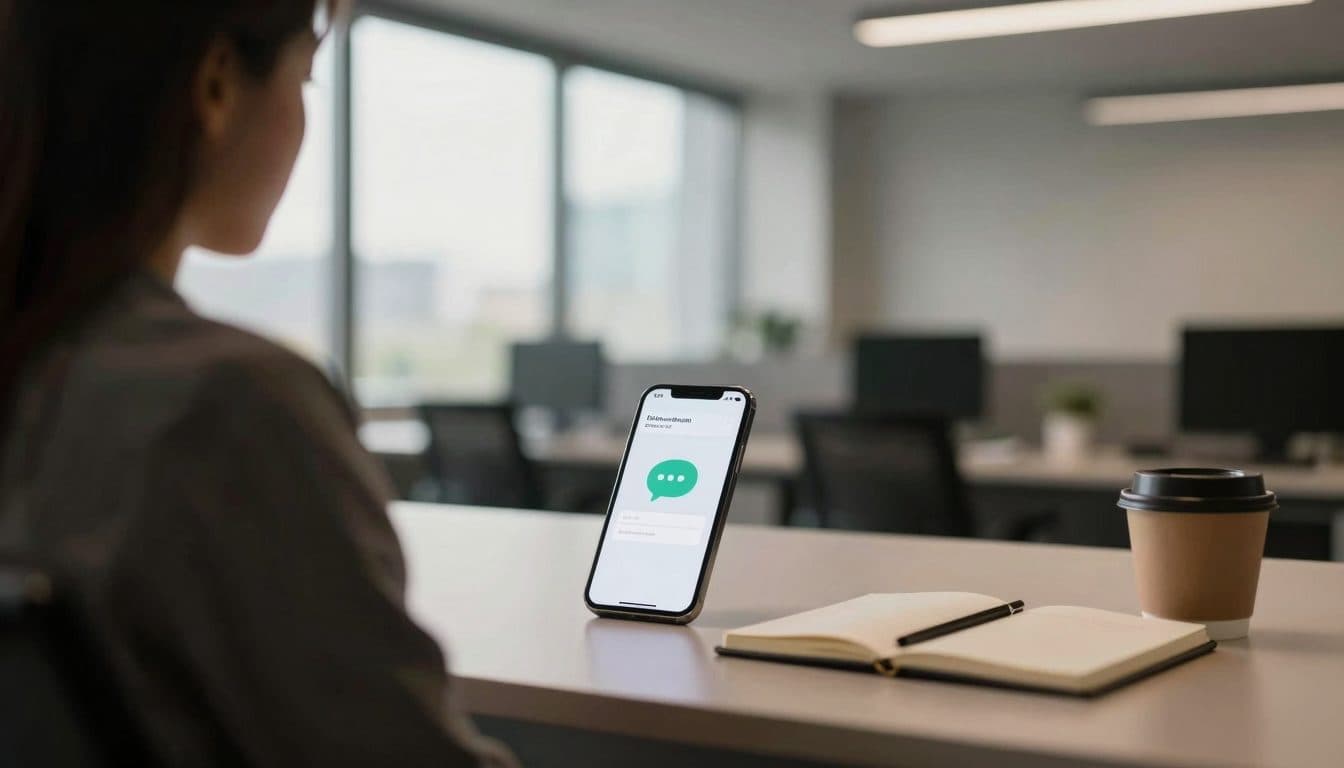
AI-generated image (z-image via Kie.ai)
Summary
WhatsApp is launching the reservation of usernames at the end of June and will roll out the new feature gradually throughout the year. In the future, users will be able to exchange messages without revealing their phone number – an optional key is intended to provide additional protection.
Berlin, 30 June 2026
The Meta-owned messenger service WhatsApp begins the worldwide reservation of usernames on 29 June and will enable the feature for all users throughout 2026, so that users can communicate in the future without disclosing their phone number.
Background: Why the phone number became a problem
With this introduction, WhatsApp is responding to long-standing criticism of how it handles phone numbers. Many people are reluctant to share their number with strangers – whether when first contacting a company, selling a used item, or chatting with new acquaintances. The new username is intended to lower this hurdle without limiting the convenience of the messenger app.
Alice Newton-Rex, Vice President of Product at WhatsApp, describes the innovation as the company's "next big privacy upgrade." In a blog post, the service also explains that creators and organizations are entitled to the same username they already use on other Meta platforms such as Instagram or Facebook. This is intended to keep identity consistent across different channels.
According to WhatsApp, the reservation of desired names starts on 29 June; the actual feature will be gradually enabled for all users throughout the year. Those who want to secure a name can do so via the menu "Settings – Account – Username." For undecided users, the service provides a username generator that produces suggestions.
How the reservation works
WhatsApp emphasizes that there will be no directory and no suggestions for usernames. Users therefore cannot simply browse to find new contacts; rather, they must know the exact name in order to message someone. This restriction prevents the messenger from turning into a public contact marketplace and reinforces the private nature of communication.
A central component of the new system is the optional "Username Key." When activated, the other party must know both the full username and the key in order to send a first message. This creates an additional layer of protection that is intended to make spam and unwanted contact attempts more difficult in particular.
Technical rules for the username
WhatsApp's technical requirements are generous but clearly defined. The username must be between 3 and 30 characters long. A pure sequence of numbers is not allowed; at least one letter must be included. Periods and underscores are permitted, but not at the beginning or end, or directly adjacent to one another. A "www." at the beginning or a domain extension at the end are also not allowed. In addition, every username must be unique.
With regard to content, the usual WhatsApp terms of service apply: the username must not violate the WhatsApp terms of service, meaning it must not be hateful, obscene, or misleading. In other words, users must not impersonate someone else. Violations can lead to the account being blocked, as the provider states in its guidelines.
WhatsApp in competition with Signal and Threema
WhatsApp belongs to the Facebook group Meta and dominates the global messenger market with around 3 billion users. Despite this market power, the company has faced criticism from privacy advocates for years because the phone number serves as the central identifier of the account. With the username system, the company wants to address part of this criticism and give its users more control over their own data.
The competition is already ahead of WhatsApp on this point. The messenger Signal has allowed users to hide their number behind a username since early 2024. On Telegram, public usernames have even been standard for longer. Signal is continuously growing with its focus on privacy and has an estimated 70 to 100 million users. Threema, with just under 10 million users, has a comparatively small user base – but enjoys a good reputation particularly in Switzerland and Germany, as well as among privacy-conscious companies and authorities.
WhatsApp explains the principle in a blog post: "Once we launch usernames, when you message a person or business for the first time, they will no longer see your phone number if you enabled your username". Anyone using the feature therefore exchanges messages without the other party being able to see the phone number. This applies in particular to initial contact – existing chats remain unaffected.
What the change means for users
Hints of the new feature had already appeared in a beta version the previous autumn, as futurezone reported. During testing in the futurezone editorial office early on Tuesday, the feature was initially enabled only on iOS; on Android devices it was not yet visible. It can therefore be assumed that the rollout will happen in waves and that Android users will still need to be patient.
In practice, the change means above all more flexibility: those who want to communicate under a pseudonym on online marketplaces such as classifieds platforms, for example, can do so without sharing their own number. The feature also opens up new ways for creators, small businesses, and freelancers to engage with customers and followers without giving up privacy.
At the same time, the report points out that Signal has offered this option since early 2024 and that public usernames have been standard on Telegram for even longer. WhatsApp's move can therefore also be understood as a response to the growing pressure from privacy-conscious users, who in recent years have increasingly switched to alternative providers. With the new feature, the market leader wants to secure its position and at the same time allay concerns.
Overall, observers rate the introduction as overdue but consistent. Privacy organizations had repeatedly called on Meta to abolish the phone number as the sole identifier. With the username system, the company is taking a first step, but is keeping the number as a central account feature – for registration and account recovery, for example. A complete decoupling from the phone number is not associated with the current update.
Outlook: Further steps still open
For the future, WhatsApp has announced that it will roll out the feature gradually and take user feedback into account. It remains to be seen whether and to what extent companies will receive verified usernames in the future – for example through a system similar to that on Instagram. The provider has also not yet conclusively answered the question of whether the username will remain permanently changeable.
Questions & Answers
From when can WhatsApp users reserve a username?
The worldwide phase for reserving desired names starts on 29 June; according to WhatsApp, the actual feature will be gradually enabled for all users throughout the year.
What rules apply to WhatsApp usernames?
The name must be between 3 and 30 characters long, contain at least one letter, be unique, and must not be hateful, obscene, or misleading; pure number sequences as well as a "www." at the beginning or a domain extension at the end are not allowed.
What is the optional Username Key on WhatsApp?
The Username Key is an additional protective measure: when activated, the other party must know both the full username and the key in order to send a first message.
WhatsApp username: hide number from end of June 2026 | allfacts360