
Berlin, April 24, 2026
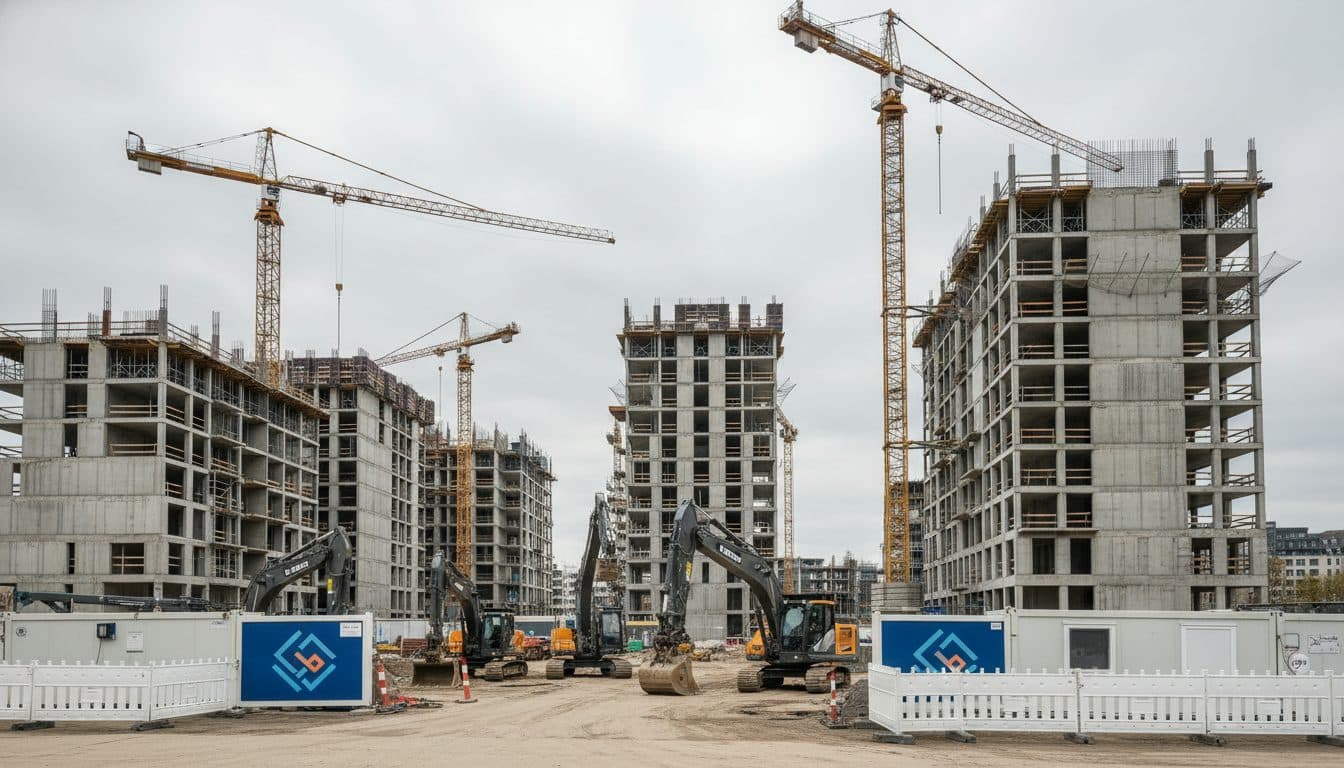
The ongoing conflict in Iran has pushed construction costs for homebuilders in Germany up by 3–5%, exacerbating an already strained housing market.
Rising Costs and Market Strain
Construction expenses for conventional residential buildings in Germany have risen by approximately 3% in 2024 and 2025, according to the Federal Statistical Office. The Iran war has further intensified this trend, with suppliers maintaining elevated prices even if global crude oil costs decline. This mirrors the impact of the Ukraine war in 2022, when construction costs spiked by over 15%, leading to a sharp drop in new projects.
Thomas Reimann, President of the Association of Construction Entrepreneurs Hessen, warned that the current situation threatens to deepen Germany’s housing crisis. "Der Mangel an bezahlbarem Wohnraum birgt soziale Sprengkraft," he said, emphasizing the social risks of unaffordable housing. Reimann called on policymakers to reduce building costs to stimulate housing construction.
Regulatory Burdens and Comparative Costs
Strict regulations in Germany are compounding the financial challenges for builders. For instance, parking spaces in underground garages can cost up to 50,000 euros each due to stringent requirements. Similarly, concrete decks in Germany must be 30–40 cm thick, compared to 15–19 cm in Belgium and France, significantly driving up material expenses.
These regulatory differences put German builders at a competitive disadvantage. While neighboring countries adopt more flexible standards, Germany’s rigid rules inflate costs, making it harder to address the housing shortage. The Federal Statistical Office’s data underscores the persistent upward pressure on prices, with no immediate relief in sight.