
Brussels, July 17, 2026
The EU Commission presented a reform of the European Emissions Trading System (ETS) in Brussels on Friday, aimed at relieving energy-intensive industries and strengthening Europe's competitiveness.
Background: How the EU Emissions Trading System works
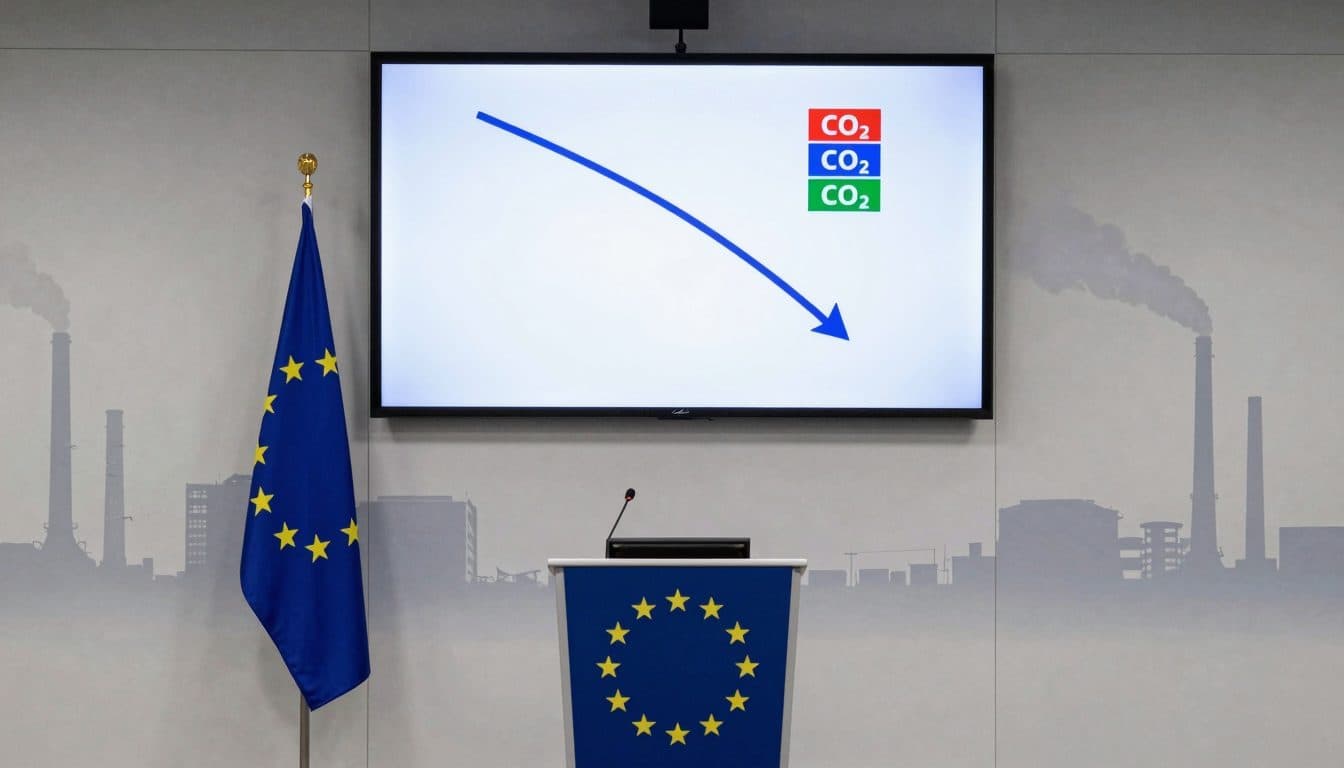
The EU Greenhouse Gas Emissions Trading System (ETS) was established in 2005 to reduce emissions. It is considered the EU's most important climate protection instrument and covers energy producers, industry, as well as parts of aviation and shipping. The affected companies are allocated certificates for the emission of climate-harmful gases such as carbon dioxide (CO2) and can also trade them as needed or auction additional ones. This creates a price for every ton of CO2 emitted.
The number of available certificates is continuously decreasing. This is intended to make certificates more expensive and make climate protection investments more worthwhile. Currently, it is planned that there will be 4.3 percent fewer certificates per year until 2027 and 4.4 percent fewer from 2028. As a result, no new certificates would come onto the market from 2039, which concerns companies.