
Vienna, November 18, 2026
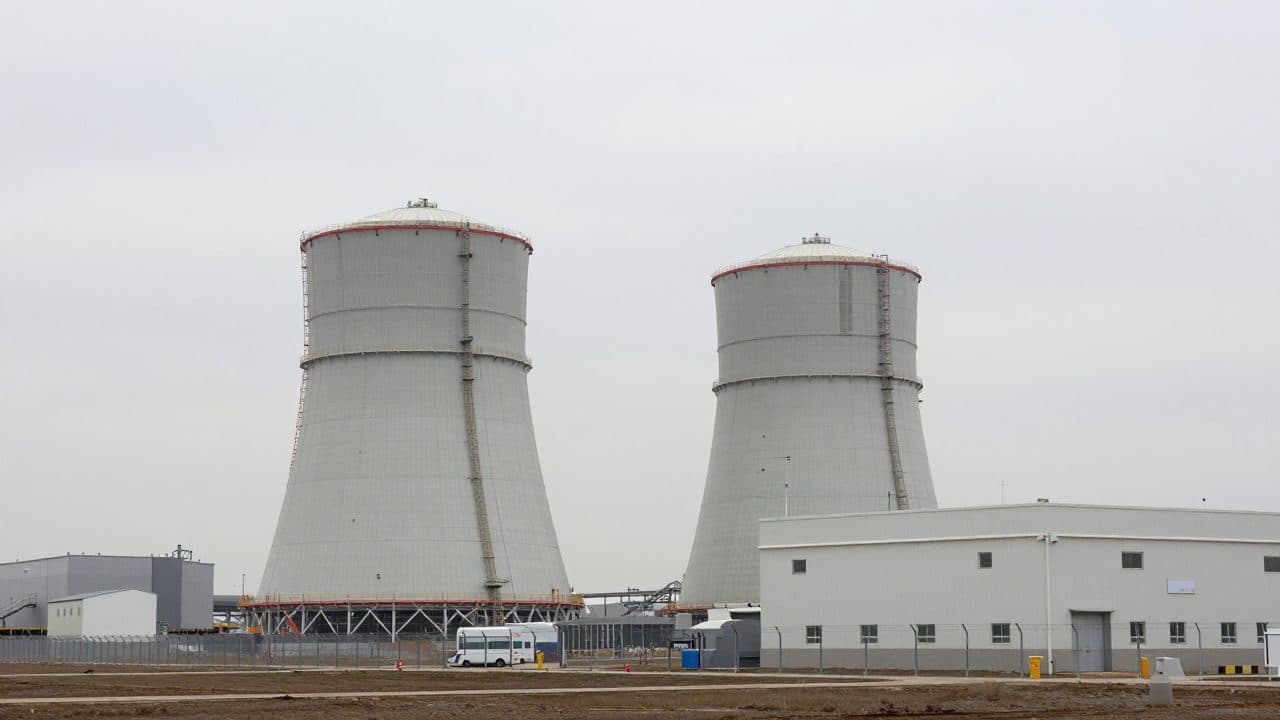
North Korea has continued expanding an existing uranium enrichment facility at the Yongbyon nuclear power plant since September, according to IAEA Director General Rafael Grossi, the agency said in Vienna on Wednesday.
The International Atomic Energy Agency (IAEA) reported on the expansion of North Korea's nuclear program in Vienna on Wednesday. IAEA Director General Rafael Grossi said North Korea continues expanding an existing uranium enrichment facility.
According to the agency, the expansion has been under way since September. This means activity at the Yongbyon nuclear power plant, regarded as a central element of North Korea's nuclear program, will continue over an extended period.
The report concerns the already-known complex at Yongbyon, which has been the subject of numerous IAEA reports and international media coverage. According to the agency, what is new is that the work on the uranium enrichment facility has not been completed but is continuing.
What the IAEA has found in Yongbyon
The IAEA has been conducting inspections of North Korea's nuclear program for years. According to Grossi, the agency currently has no access to the facility where the expansion is continuing. The report therefore relies on the information available to the agency about the ongoing program.
The information from Vienna comes against the backdrop of a tense geopolitical situation. In recent years, international atomic watchdog officials have repeatedly called for tighter monitoring of North Korea's nuclear program, which, according to the agency, is only possible to a limited extent.
The report is being read against the background of diplomatic tensions between Pyongyang and the United Nations. The North has repeatedly criticized cooperation with the IAEA and restricted inspectors' access. Dialogue with United Nations representatives, including the names of Choe Son-hui and Xi Jinping in recent reports, has not fundamentally eased the situation.
Diplomatic tensions and lack of access
At the level of nuclear diplomacy, finding a political solution remains difficult. According to the IAEA report, the establishment of diplomatic contacts, discussed in connection with visits to Shenzhen and Vienna, among other things, has not fundamentally eased the nuclear situation.
The scale of North Korea's nuclear program has been a point of dispute between the United Nations and Pyongyang for years. While the international community pursues the complete elimination of nuclear weapons as its goal, the North Korean government rejects the position of the IAEA and the international community.
Implications for international nuclear policy
The latest report underscores that work on the technical prerequisites for producing weapons-grade plutonium is continuing. The IAEA has repeatedly pointed out that the existing facilities in Yongbyon could support significantly greater production than the United Nations currently permits.
Grossi's latest statement therefore provides another data point in a long-running assessment of North Korea's nuclear program. How the United Nations will respond to the continued construction work remained unaddressed in the agency's statement from Vienna.