IOC partially lifts Russia sanctions – Kremlin welcomes decision, Ukraine sharply criticizes
Berlin, 08 July 2026
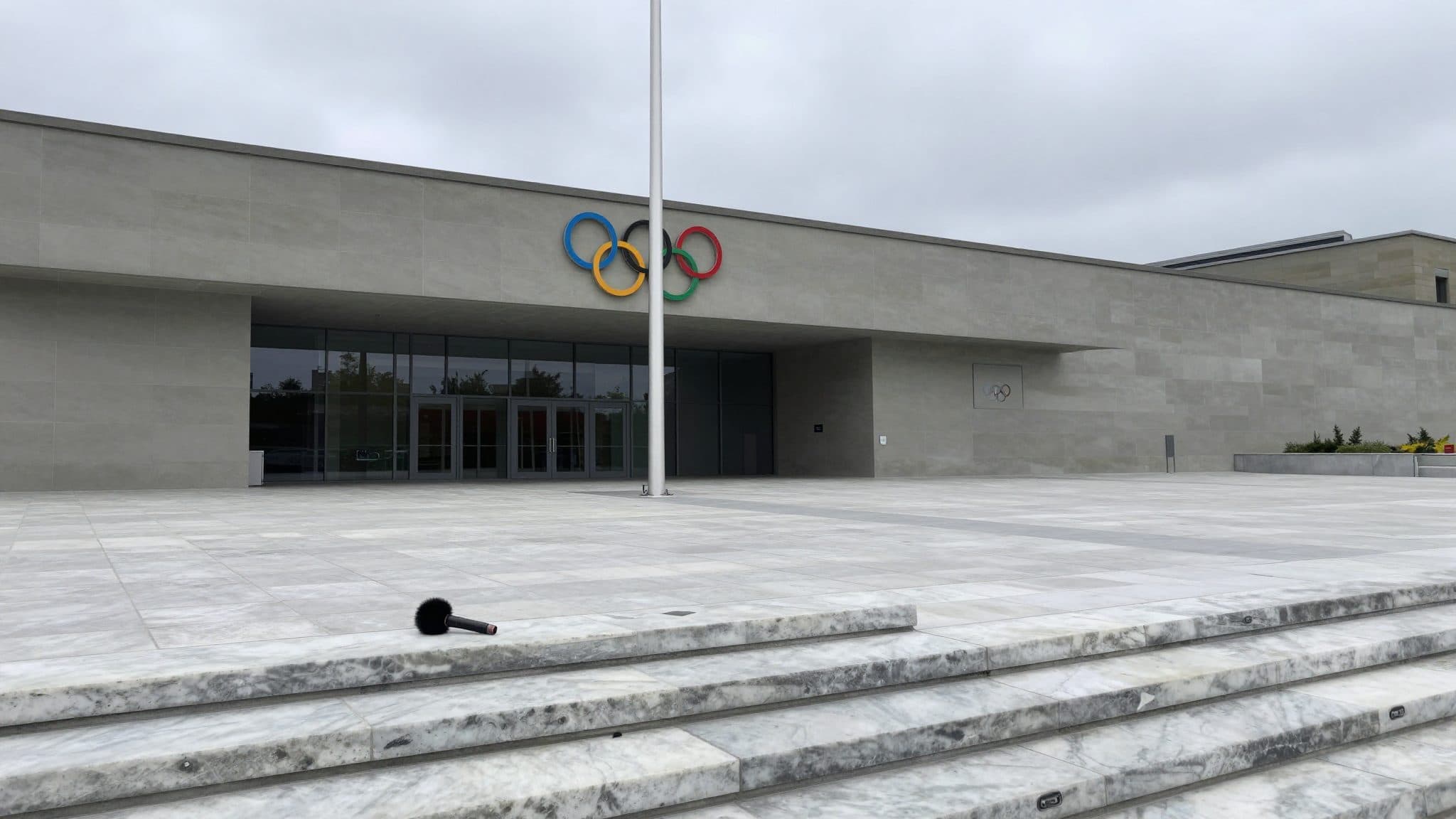
AI-generated image (z-image via Kie.ai)
Summary
The International Olympic Committee has eased its sanctions against Russian athletes, paving the way for Russian participation in the 2028 Summer Olympics in Los Angeles. Kremlin spokesman Dmitri Peskow welcomed the U-turn as an important step, while Ukraine sharply criticized the decision.
Berlin, 08 July 2026
The International Olympic Committee (IOC) has eased its sanctions against Russian athletes, thereby paving the way for a possible return of Russia to the 2028 Summer Olympics in Los Angeles.
Although the decision had been announced, its speed and clarity came as a surprise to many involved. The IOC stated that the lifting would apply "vorläufig" (provisionally) and would be tied to Russia's future conduct. An official IOC statement also stressed the principle that athletes should not be held responsible for the actions of their governments.
Kremlin welcomes the U-turn
The Kremlin welcomed the decision immediately. Kremlin spokesman Dmitri Peskow said on Wednesday that the U-turn was "ein wichtiger Schritt auf dem Weg zur Wiederherstellung der legitimen Rechte unserer Sportler auf die Teilnahme an internationalen Wettbewerben". Moscow interprets the easing as a political success and as the beginning of a gradual normalization of its sporting relations after years of isolation.
From Ukraine, however, came sharp criticism. Wladislaw Heraskevych, a 27-year-old Ukrainian winter sports athlete who had been excluded from competition in February at the Winter Games in Italy because he wore a helmet bearing the images of 22 killed Ukrainian athletes, called the IOC decision a "Schande" and "Wahnsinn".
Outrage from Ukraine
Heraskevych told the media company "Münchner Merkur/TZ": "Mir war klar, dass es irgendwann passieren wird. Aber ich hätte niemals gedacht, dass diese Entscheidung so schnell getroffen wird." He added: "Und genau in dem Zeitraum macht das IOC diese Entscheidung publik". Heraskevych is reportedly currently in Kyiv. Regarding the recent Russian attacks on the Ukrainian capital, he said: "Es gab in den vergangenen Tagen zahlreiche Raketenangriffe auf Kiew, erneut wurden Menschen getötet. Das ist einfach nur grausam".
The Ukrainian athlete had used his helmet in Italy to commemorate 22 deceased fellow athletes. According to his statements, "insgesamt über 660" Ukrainian athletes have been killed as a result of the Russian war of aggression. This figure has not yet been independently fully verifiable to this day, but is cited consistently by several Ukrainian agencies and international media.
Background: the Winter Games in Italy
To justify the IOC's U-turn, it was said that in a world full of conflicts, world sport was called upon more than ever to act as a bridge-builder between people. The statement also pointed out that the political stance in many countries differed from that in Western Europe. Heraskevych sees this as the wrong signal: "Denn genau das tun Diktaturen und Autokraten nur allzu gern." His hope is that "die nationalen Sportverbände die richtige Entscheidung treffen und Russland nicht die Tür öffnen".
In Berlin, the city's Olympic commissioner, Kaweh Niroomand, gave a nuanced response on Wednesday in a conversation with the Tagesspiegel. The decision was regrettable, he said, because athletes suffered from the mistakes of their governments, but given the differing political views in many countries it was understandable: "Ich kann die Entscheidung nachvollziehen."
Divided response in Germany
Other representatives from German sport were more sharply critical. Berlin's Senator for Sports told the Tagesspiegel: "Während Russland die Ukraine weiterhin und mit unverminderter Härte bombardiert, werden Sanktionen zurückgenommen und Athletinnen und Athleten wieder zugelassen". These statements make clear that assessments also diverge within Germany.
Regarding the national federations, a spokesman for the umbrella organization said that they wanted all athletes to have the opportunity to take part in the Olympic Games and not be held responsible for the actions of their governments. The federation initially did not provide a direct statement on the Russian question.
Reactions from politics and federations
The political dimension of the decision was also highlighted in further reactions. The Ukrainian government said it would continue to work with its partners to ensure that international sport was "niemals als Instrument zur Legitimierung von Aggression" used. The Ukrainian umbrella organization spoke of a "zutiefst besorgniserregenden Signal" to the international community.
The timing of the decision – just a few months after the Winter Games in Italy and in the middle of a phase of intense Russian attacks on Ukrainian cities – was widely highlighted as critical. Observers interpret the move as an indication that the IOC is increasingly focusing on broad global participation and accepting political risks in the process.
At the same time, according to its own statements, the IOC continues to uphold its commitments to athletes and reserves the right to reverse the easing. The future development thus remains tied to clear conditions, which are to be reviewed in the coming months.
Outlook on the upcoming competitions
International sports politicians see the decision as a directional decision that could have a signal effect beyond the Russian case. The debate about neutrality, conditions of participation, and the role of world sport in armed conflicts is likely to intensify further as a result.
In the coming months, observers expect back and forth over the concrete modalities of Russian participation in international competitions. These include questions of the flag, the anthem, and the question of in what form Russian athletes will compete.
Overall, it is clear that the sports policy debate surrounding Russia remains highly controversial even after the easing of sanctions. The reactions from Kyiv and from parts of the Western sports community suggest that the controversy over the lifting of sanctions will continue to occupy the Olympic movement intensively.
Questions & Answers
Why has the IOC eased sanctions against Russian athletes?
The IOC justified the step with the goal that athletes should not be held responsible for the actions of their governments, and pointed to the role of world sport as a bridge-builder in a world full of conflicts.
Who is Wladislaw Heraskevych and why is his criticism relevant?
Wladislaw Heraskevych is a 27-year-old Ukrainian skeleton racer who was excluded from competition at the Winter Games in Italy because he wore a helmet bearing images of killed Ukrainian athletes; he called the IOC decision a disgrace and madness.
How has the Kremlin reacted to the lifting of sanctions?
Kremlin spokesman Dmitri Peskow welcomed the U-turn on Wednesday as an important step toward restoring the legitimate participation rights of Russian athletes in international competitions.
IOC lifts Russia sanctions: Criticism from Ukraine | allfacts360