Iran threatens USA with geographic expansion of the conflict and halts retaliation
Berlin, July 26, 2026
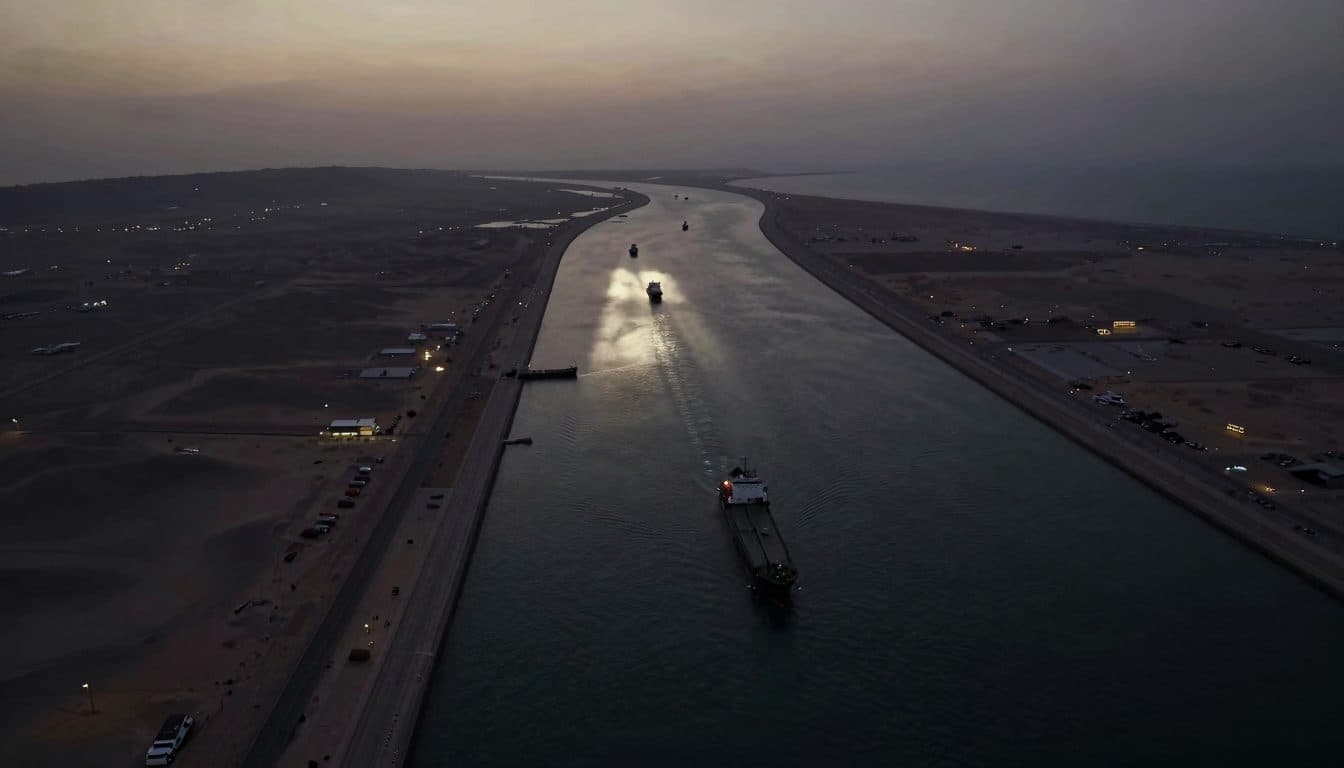
AI-generated image (z-image via Kie.ai)
Summary
Iran has temporarily suspended its retaliatory attacks against the USA, but warns of a geographic expansion of the conflict should US attacks continue. Meanwhile, diplomatic talks between Washington and Tehran are underway, while the Revolutionary Guards tighten their control over the Strait of Hormuz.
Berlin, July 26, 2026
Iran suspended its retaliatory strikes against the USA over the weekend while simultaneously threatening a geographic expansion of the conflict if the US government resumes its attacks.
According to dpa reports, army spokesman Mohammed Akraminia stated that Iran would "geografisch ausweiten" the conflict if the US government allowed itself to be misled by Israel again and "auf der Fortsetzung des Krieges beharrt." Akraminia said the USA was in a "difficult and unstable" position and was likely seeking "a new strategy."
At the same time, the Iranian military spokesman emphasized that the retaliatory measures had been halted for the time being. "Da unsere Strategie im Wesentlichen auf Vergeltung beruhte, haben auch wir unsere Vergeltungsmaßnahmen gestoppt," Akraminia said. However, without an agreement, there would be a "far higher level" of attacks.
Iran threatens USA: Expansion of the conflict | allfacts360
Iranian threats and military actions
According to CNN, the USA had "put its attacks on Iran on ice." The "New York Times" reported on Saturday, citing two people familiar with the discussions, that Trump had for the time being decided to refrain from plans to escalate the attacks.
Already on Saturday, the US government had made it known that Trump had "always made clear that he prefers diplomacy, but he has shown Iran what will happen if it does not come seriously to the negotiating table." Washington was conducting talks with Tehran that were "growing more serious from day to day" in the negotiations, Trump had stated.
US position and diplomatic signals
The USA had suspended its attacks over the weekend after "13 nights in a row." According to the "New York Times," however, there are significant concerns within the US government about dwindling stocks of military matériel. The insider said "the prevailing view is that the pause is more tactical in nature and not serious."
US Ambassador Mike Waltz told Fox News on Sunday that Trump "gives the talks some room, he gives them a little time." On the political show "Face the Nation" on US network CBS News, Waltz said additional capabilities were being moved into the region.
Parallel to the diplomatic signals, the Iranian Revolutionary Guards have tightened their control over strategically important maritime areas. According to the Tasnim agency, which is close to them, the Guards asserted control over a 240,000 square kilometer area in the Persian Gulf and the Strait of Hormuz.
Revolutionary Guards control the Strait of Hormuz
The Revolutionary Guards announced that attempts by the US military to change the course of ships would be met with "a determined response and warning shots." Iran's position was "attack for attack": If the attacks stopped, Iran would also halt its operations.
Two weeks ago, the Iranian ministry had recommended suspending all voyages and other "meeresbasierte Tätigkeiten" until further notice. This also affects fishing and recreational boats, jet skis and "alle anderen Seefahrzeuge."
The announcements from the Iranian side come amid a phase of mutual violence: After "13 nights in a row" of US attacks, Washington had taken a pause over the weekend. At the same time, diplomatic channels between both governments are active, fueling hopes for a negotiated solution.
Strategic significance and background
The strategic significance of the Strait of Hormuz, one of the most important shipping routes for global oil trade, makes control by the Revolutionary Guards a significant security factor. Iran's sea blockade policy increases pressure on international shipping.
The contradictory signals – threats on one hand and willingness to negotiate on the other – reflect the complex situation. While the Iranian leadership officially presents its retaliation pause as a tactical maneuver, it reserves the right for a significant escalation should the USA resume its attacks.
Akraminia's message that Iran would "geografisch ausweiten" the conflict if Washington pursued the "Fortsetzung des Krieges" points to possible new targets beyond the current theaters. This could directly affect US-allied states in the region.
Outlook: Diplomacy or escalation?
The coming days will show whether the diplomatic channels between Washington and Tehran hold or whether the violence returns. Both sides have left themselves a back door: The USA is suspending attacks, Iran its retaliation – but both sides apparently view the pause as temporary.
Reports about dwindling US material stocks raise questions about the sustainability of American military strategy. Should supplies of precision-guided munitions and defense missiles actually run low, this could increase Washington's willingness to seek a diplomatic solution.
Overall, the situation remains extremely tense: A diplomatic solution is possible but not guaranteed. The Iranian threat of "geografische Ausweitung" as well as the tightened control of the Strait of Hormuz indicate that Iran is maintaining its strategic leverage while simultaneously coming to the negotiating table.
Questions & Answers
Who is Mohammed Akraminia?
Mohammed Akraminia is the army spokesman of Iran, who announced the suspension of Iranian retaliatory measures against the USA and simultaneously threatened a geographic expansion of the conflict.
Why has Iran stopped its retaliatory attacks?
According to army spokesman Akraminia, the Iranian strategy is essentially based on retaliation. Since the USA had "put its attacks on ice," Iran had also stopped its retaliatory measures – albeit with the proviso of a possible resumption.
What does the Revolutionary Guards' announcement about the Strait of Hormuz mean?
The Iranian Revolutionary Guards declared that they would control a 240,000 square kilometer area in the Persian Gulf and the Strait of Hormuz. Attempts by the US military to change the course of ships would be met with "warning shots."