
Geneva, September 7, 2026
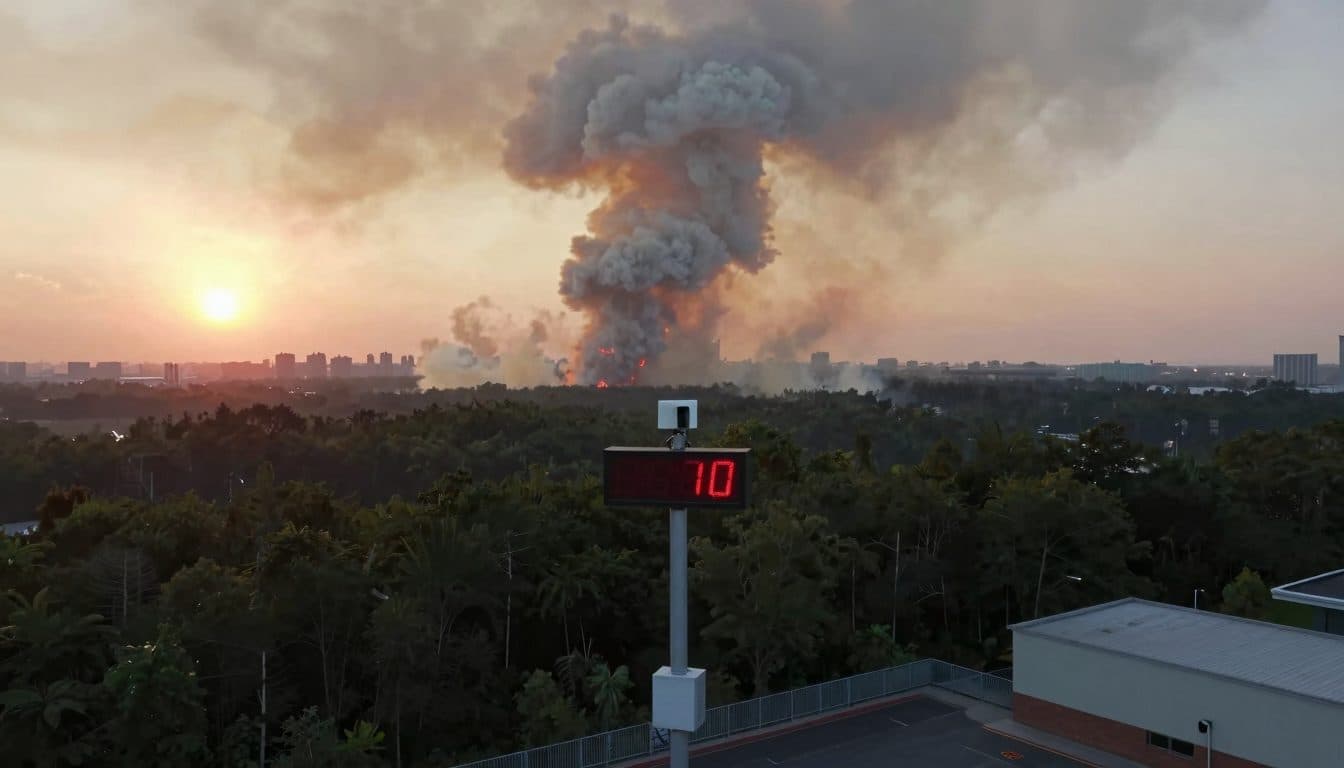
The World Meteorological Organization (WMO) has presented analyses indicating that heat waves and wildfires noticeably increased the concentrations of health-harmful substances in the atmosphere in 2025.
For 2025, the WMO identifies a familiar pattern: concentrations over northern Canada, the area around Lake Baikal, and the forests of western Central Africa were significantly above the long-term average, while in Amazonia they were below it. The report thus confirms a trend the organization has observed for years: extreme heat and fire events act as amplifiers of air pollution.
Data Situation for 2025
The WMO points out that high temperatures favor the formation of ground-level ozone and that particulate matter from fires is transported over long distances. These interactions between climate and air quality are now well documented, according to Geneva.