ASFINAG warns of rising number of vehicle fires on Austria's highways
Vienna, July 10, 2026
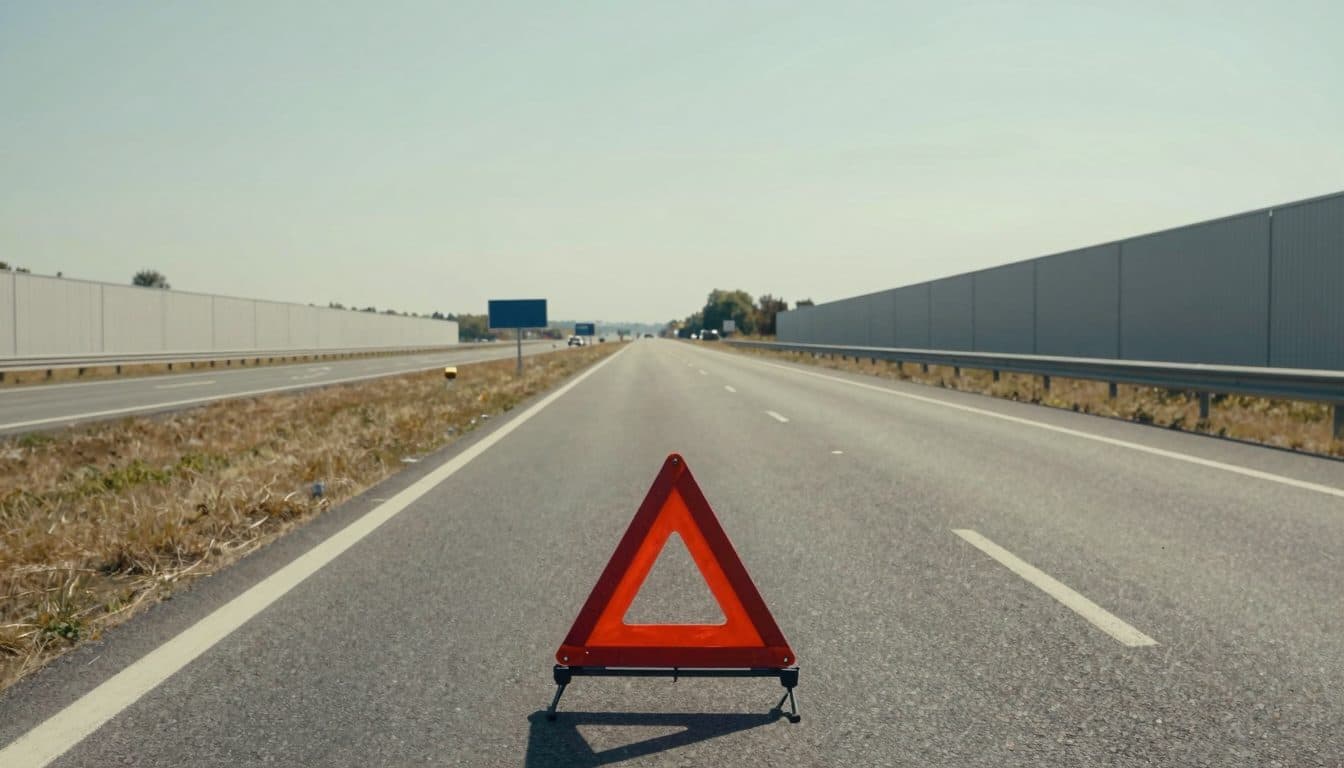
AI-generated image (z-image via Kie.ai)
Summary
ASFINAG is sounding the alarm: More and more vehicles are burning on Austria's highways because of the ongoing heat. In the first half of 2026, 151 cars and trucks have already been consumed by flames, in addition to 20 embankment fires.
Vienna, July 10, 2026
ASFINAG is warning of a significant increase in vehicle fires on Austria's highways: In the first half of 2026, 151 cars and trucks have already gone up in flames, as the highway company announced on Thursday.
The heatwave of the past weeks has left its mark on Austria's highways. As ASFINAG announced, emergency services had to respond to 151 burning vehicles in the first six months of the current year. This continues a trend that has been emerging for years.
While in 2020 only 226 vehicle fires were recorded in ASFINAG's statistics, in 2024 and 2025 there were already around 300 each. The highway company sees this as a worrying development that could be further exacerbated by rising temperatures.
Statistics show clear upward trend
According to ASFINAG, the summer months of July and August are particularly critical. During this time, an average of about 20 fires per month are recorded. Last year, ASFINAG and fire brigades had to respond to such incidents 39 times in these two months; this year, there had already been 20 by the end of June.
In addition to vehicle fires, the highway company is also concerned about embankment fires. In 2025 alone, there were 39 deployments due to burning embankments; this year, there had already been 20 by the end of June. Here too, ASFINAG attributes the incidents to the ongoing drought and high temperatures.
Embankment fires as an additional danger
ASFINAG has compiled a list of the most common heat-related causes of fires on highways. These include overheated engines, porous lines through which oil or fuel can leak and ignite, seized and overheating brakes, as well as technical defects such as damaged wheel bearings or missing coolant. Electrical or electronic defects with short circuits, as well as tire damage or tire pressure that is too low, are also among the triggers.
The highway company attributes the increase to several factors. Extreme heat, poor vehicle maintenance, and cigarettes or glass bottles thrown out of car windows while driving: these are the ingredients for a "phenomenon" that has been occurring more frequently in recent years, ASFINAG announced.
Most common causes of vehicle fires
ASFINAG traffic safety expert Bernhard Lautner therefore appeals to all drivers to thoroughly check their vehicle before long journeys. "Gerade deshalb ist es so wichtig, stets und vor allem vor langen Fahrten auch den Zustand des Fahrzeugs zu überprüfen", Lautner is quoted as saying in the statement.
The expert boils the message down to a simple formula: "Besser eine Stunde für eine Überprüfung investieren als später auf dem Weg in den Urlaub mit einer Panne oder einem zerstörten Pkw liegen zu bleiben." With this, Lautner is specifically addressing the beginning of the travel season, during which particularly large numbers of people are on Austria's highways.
Appeal from the traffic safety expert
ASFINAG has been observing the development with growing concern for years. In previous years too, July and August proved to be "Dauerbrenner" in the statistics. And in the first half of 2026, this hot trend continued, as the highway company notes.
In addition to the direct danger to the affected vehicle occupants, the fires also pose risks to other traffic. Smoke development and heat can lead to impaired visibility and traffic jams, which in turn increase the likelihood of secondary accidents. ASFINAG therefore advises increased attention on the highways.
The highway company recommends that drivers take regular breaks on longer journeys and keep an eye on the condition of their vehicle. This also includes paying attention to warning signs such as unusual noises, smells, or temperature readings and stopping immediately if in doubt.
With a view to the coming weeks, ASFINAG expects a further increase in deployments. The combination of high temperatures, holiday traffic, and in some cases an older vehicle fleet suggests no relief is in sight. The highway company therefore intends to intensify its warnings in the coming weeks.
Risks to other traffic
ASFINAG emphasizes that many fires could be avoided by simple precautionary measures. These include, in addition to regular maintenance, refraining from smoking at the wheel and the careful disposal of glass bottles, which can act like burning glasses in the grass next to the highway.
Overall, ASFINAG's statistics show a clear upward trend in vehicle fires. Within just five years, the number of registered fires has risen from 226 to around 300 per year. If this trend continues, the mark of 400 fires per year could soon be exceeded.
The highway company also sees the development as a consequence of climate change. Higher average temperatures and longer heatwaves mean that the conditions for vehicle fires are increasingly present. A reversal of the trend can only be expected through better vehicle maintenance and greater attentiveness in road traffic.
For the coming months, ASFINAG announces that it will intensify monitoring on the highways and be able to intervene more quickly if necessary. Cooperation with the fire brigades is also to be further intensified in order to keep response times to fires as short as possible.
Questions & Answers
How many vehicle fires have there been on Austria's highways so far in 2026?
In the first half of 2026, emergency services had already responded to 151 burning cars and trucks according to ASFINAG. In addition, there were 20 embankment fires by the end of June.
What causes does ASFINAG cite for the rising number of fires?
ASFINAG cites overheated engines, porous lines, seized brakes, technical defects, short circuits, as well as cigarettes and glass bottles thrown out of windows as the main causes.
What does ASFINAG expert Bernhard Lautner advise drivers?
Lautner appeals to drivers to check the condition of their vehicle before long journeys, as investing one hour in inspection is better than a breakdown or a destroyed car during a vacation trip.
ASFINAG warns: More vehicle fires due to heat on highways | allfacts360