Black-Red Coalition Plans Significantly Larger Tobacco Tax Increase by 2030
Berlin, July 14, 2026
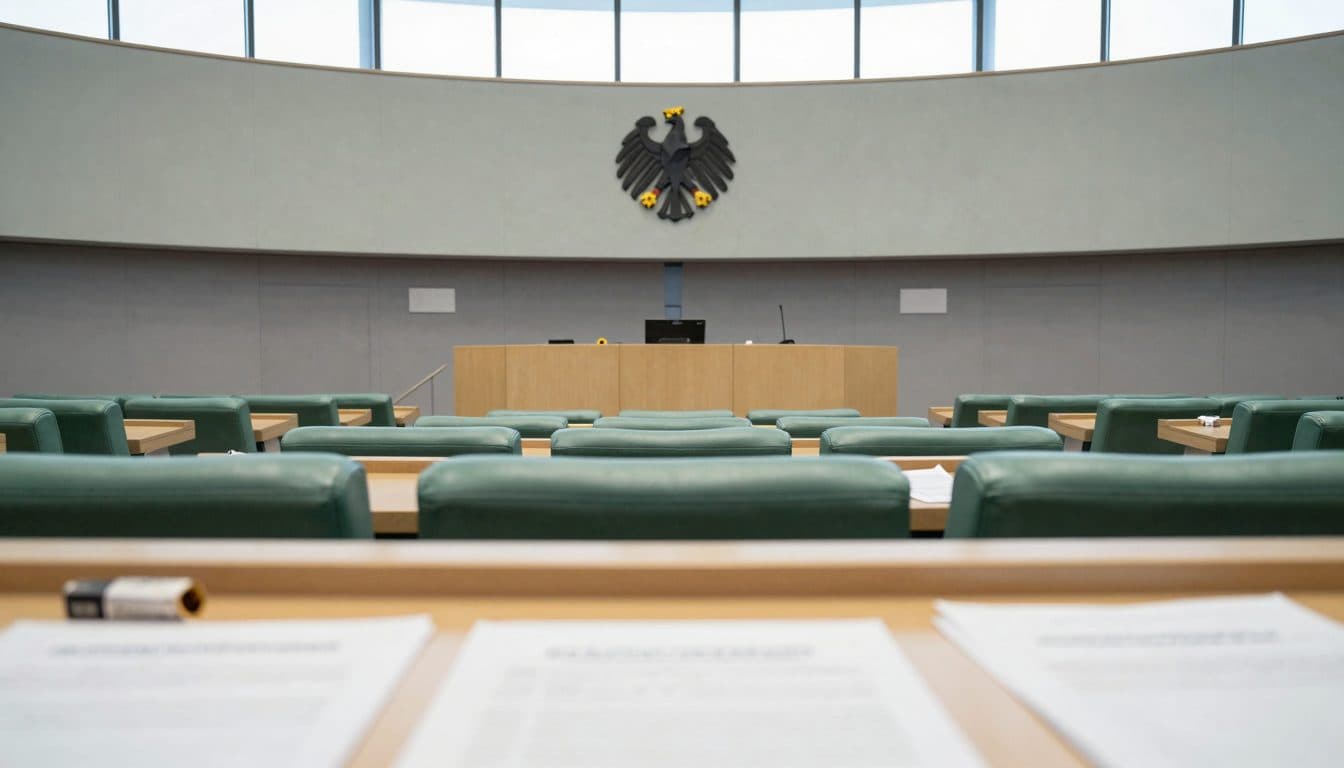
AI-generated image (z-image via Kie.ai)
Summary
The black-red coalition wants to raise the tobacco tax more sharply than previously planned. By 2030, a 20-cigarette pack should cost an average of 11.78 euros, and for premium brands even 13 to 14 euros. Addiction Commissioner Streeck and the SPD parliamentary group defend the plans, while criticism comes from the tobacco industry and SPD health politician Moll.
Berlin, July 14, 2026
The black-red coalition of CDU/CSU and SPD wants to raise the tobacco tax in Germany by 2030 significantly more than originally planned, so that a pack of 20 cigarettes would then cost an average of 11.78 euros.
Planned Price Tiers by 2030
According to information from coalition circles, which became known the day before publication, the federal government around Federal Finance Minister Lars Klingbeil is planning a gradual increase in the tobacco tax. A 20-cigarette pack would thus rise from the current around eight euros to almost 12 euros in 2030. The draft also provides for higher taxation of tobacco substitute products such as vapes and e-cigarettes.
The federal cabinet had only passed the original draft law on the tobacco tax increase the week before. Compared to the original draft, the black-red coalition wants to increase the expected additional revenue for 2027 by around 0.8 billion euros to about 1.55 billion euros, according to information from the Bundestag. Overall, the federal government expects more than 3.5 billion euros in additional annual tax revenue from tobacco products from 2030 onward. For the coming year, additional revenue of 756 million euros is expected.
As early as the coming year 2026, a pack of 20 cigarettes is likely to cost an average of 9.10 euros after the planned increase, and thus 33 cents more than previously assumed. By 2030, the projected price of 11.78 euros corresponds to an increase of 42 cents compared to the assumption in the ministry's original draft law. Industry representatives assume that brand cigarettes could cost 13 to 14 euros per 20-pack; currently, some brands are around 9.40 euros.
Backing from Streeck and SPD
The federal government's addiction commissioner, Hendrik Streeck (CDU), defended the plans on Deutschlandfunk. In his view, the goal of higher tobacco taxes is not primarily to increase tax revenue, but to deter young people from starting to smoke. "Meinetwegen kann die Tabaksteuer noch höher gehen, aber ich bin sehr zufrieden mit dem Änderungsantrag, der vorliegt," said Streeck. He also spoke out in favor of higher taxation of vapes and e-cigarettes, since these are basically nicotine products that are correspondingly addictive.
Streeck pointed to the polluter pays principle: "Da muss man nach dem Verursacherprinzip denken: Wer solche Kosten im Gesundheitswesen verursacht, der muss sich auch mehr an diesen Kosten beteiligen." At the same time, he dismissed concerns that a higher tax could fuel the black market: "Es wird immer gesagt, dass es den Schwarzmarkt nur befeuert, aber in meinen Augen kann der Schwarzmarkt, also ein Regelbruch, kein Vetorecht dabei sein," said Streeck.
The SPD parliamentary group defended the planned increase as "konsequente Präventionspolitik." The health policy spokesman of the SPD parliamentary group, Christos Pantazis, said that experience abroad showed "dass nur eine wirklich ambitionierte Tabaksteuer die Raucherinnen und Raucher zum Umdenken veranlasst und junge Menschen effektiv vor den Gefahren des Tabakkonsums schützt." Higher tobacco tax revenues are also good news for all those with statutory insurance, "denn höhere Zusatzbeiträge zur gesetzlichen Krankenversicherung können so vermieden" werden.
The SPD parliamentary group's finance policy spokeswoman, Frauke Heiligenstadt, also emphasized: "Wir tragen durch die Tabaksteuer entschieden dazu bei, die Gesundheitsprävention zu stärken und die gesetzlich versicherten Bürgerinnen und Bürger zu entlasten." The additional revenue could also help stabilize the federal subsidy to the statutory health insurance system. According to her, federal subsidies for hospitals would not need to be cut as much as the original draft law on contribution stabilization had provided.
Scientific and Medical Voices
Scientific studies and the World Health Organization see higher prices for tobacco and alcohol as effective means of reducing consumption. Steffi Riedel-Heller, director of the Institute of Social Medicine, Occupational Medicine and Public Health at the University of Leipzig, said that tax increases make it especially difficult for young people to start smoking. Price increases lead to the effect "letztlich auch dazu, dass viele Raucherinnen und Raucher ihren Konsum reduzieren, also vielleicht in einer Woche eine Schachtel weniger rauchen. Langfristig summiert sich das."
Erik Bodendieck, president of the Saxon State Medical Association, pointed to experiences from Scandinavia: "Wir haben natürlich aus dem europäischen Ausland, wenn wir etwa nach Skandinavien gucken, deutliche Hinweise darauf, dass es zu einer Reduktion des Konsums gesundheitsschädigender Genussmittel – egal, ob es Alkohol oder Tabak ist – kommt, wenn die Steuern in einem notwendigen Maß erhöht worden sind." At the same time, he warned: "Ich kann ja nicht einfach nur die Steuern erhöhen und mich dann am Ende freuen und sagen ‚Jetzt saufen oder rauchen die weniger‘. Sondern es ist und bleibt eine Krankheit und entsprechend muss ich die Menschen auch behandeln. Ich muss sie in Entwöhnungsprogramme hineinbringen."
Streeck blames the rise in smoking rates among 12- to 17-year-olds primarily on tobacco substitute products. According to data he cited, the share of smokers in this age group has risen by 3.5 percent over the past five years. He demands that revenue from higher tobacco taxes should be used more for prevention and cessation programs. Smoking causes costs of around 30 billion euros per year in the healthcare system.
Focus on Prevention and Healthcare Costs
According to SPD politician Pantazis, smoking causes nearly 30 billion euros in direct costs in the German healthcare system, which must be spent on treatments, medication, and rehabilitation. A higher tobacco tax helps prevent tobacco-related illnesses and sustainably relieves the solidarity community from the follow-up costs of smoking.
Criticism of the plans comes, among others, from the tobacco lobby. Jan Mücke, representative of the industry association BVTE, pointed out that there had already been a tobacco tax increase of 15 cents at the beginning of 2026 and that legal tax revenues had subsequently declined. Consumers react price-sensitively, Mücke warned. Should the coalition implement its plans, legal tobacco tax revenues would continue to decline. The tobacco lobby calls the plans "reine Fantasie" and expects the projected additional revenue to fail to materialize, because many consumers will turn to the black market and buy cheaper illegal cigarettes.
Criticism from the Tobacco Industry and the SPD
Dissent is also coming from within the SPD itself. SPD health politician Claudia Moll expressed criticism of the planned tax increase in the 200-Sekunden interview and doubted the health-policy steering effect of the tobacco tax. Moll also warned of a flourishing black market as a result of the planned increase.
Social welfare associations view the plans with nuance. Verena Bentele, president of the social association VdK, said: "Gerade finanzschwache Menschen lebten statistisch betrachtet oft ungesünder, rauchten häufiger und tränken mehr Alkohol." She called for an expansion of prevention, education, and counseling: "Gerade in Gegenden, wo viele Menschen leben, die vielleicht nicht so eine gute Teilhabe an der Bildung und wenig Geld haben, müssen Präventions-, Bildungs- und Beratungsangebote verstärkt werden."
Parallel to the tobacco tax, the federal government is also planning tax increases on spirits, sparkling wine, and alcopops at the turn of the year on January 1. A cheap 0.7-liter bottle of vodka, which currently costs around six euros, could rise to more than seven euros with the planned increase. The federal government expects additional revenue of 400 million euros here. According to the Federal Statistical Office, about one in five people aged 15 and over in Germany smokes; smoking is only permitted from the age of 18 in this country.
Embedding in Fiscal Policy
For the black-red coalition, the tobacco tax increase is part of a broader package to close budget gaps. According to information from the Bundestag, the additional revenue is to be used primarily to close these gaps. At the same time, once the plans are implemented, funds could also flow into smoking cessation and prevention programs.
Questions & Answers
Who is Hendrik Streeck and what role does he play in the debate?
Hendrik Streeck is the federal government's addiction commissioner and a CDU politician; he supports the planned tobacco tax increase and spoke out on Deutschlandfunk on July 14, 2026, in favor of higher taxation of vapes and e-cigarettes.
How much should a pack of cigarettes cost by 2030 in Germany?
On average, a 20-cigarette pack should cost 11.78 euros, which would be 42 cents more than provided for in the ministry's original draft law; for brand cigarettes, industry estimates expect even 13 to 14 euros.
Tobacco Tax 2030: Cigarettes Could Cost Almost 12 Euros | allfacts360