E-Scooter Liability: Bundestag Tightens Rules for Rental | allfacts360
Bundestag Adopts Stricter Liability Rules for E-Scooter Rental Companies
Berlin, July 10, 2026
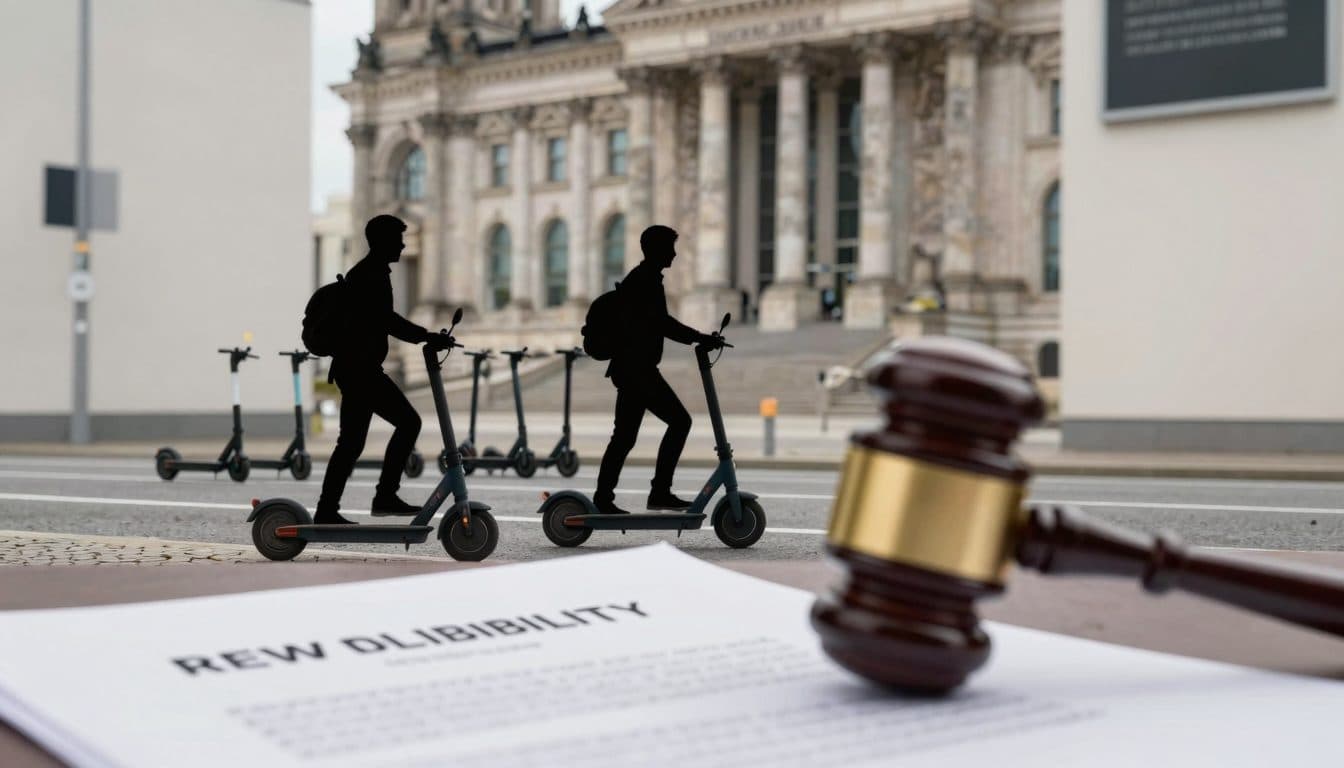
AI-generated image (z-image via Kie.ai)
Summary
On the evening of July 9, 2026, the Bundestag adopted a legislative amendment introducing stricter liability rules for e-scooter rental companies. Those affected should in future more easily receive compensation when the actual party responsible for the damage cannot be identified.
Berlin, July 10, 2026
The German Bundestag on Thursday evening (July 9, 2026) adopted an amendment to liability law that will hold e-scooter rental companies more strictly accountable for accident damages.
What the legislative amendment provides
The amendment stipulates that operators of e-scooter fleets will be liable in significantly more cases than before for damages caused with their vehicles. The aim is to make it easier for accident victims to obtain compensation when the actual party responsible for the damage cannot be identified or is insolvent.
Federal Minister of Justice Stefanie Hubig (SPD) justified the step with the growing economic importance of rental scooters: "Wer mit der Vermietung von E-Scootern Geld verdient, muss auch Verantwortung für die Schäden übernehmen, die mit seinen Fahrzeugen verursacht werden", the minister explained. She added: "Es gibt schlichtweg keinen Grund, die Vermietung von E-Scootern im Haftungsrecht anders zu behandeln als die von Autos".
Previously, e-scooters were exempt from strict liability that applies to motor vehicles. As a result, those affected were often left to bear the costs because the specific rider could not be identified or did not have sufficient liability coverage. According to the Federal Ministry of Justice, a strict liability of rental companies will in future apply, structured similarly to existing motor vehicle owner liability.
Scope of application and exceptions
According to the Ministry of Justice, the legislative amendment affects exclusively "self-balancing" vehicles such as electric scooters and so-called Segways. Electric mobility devices for people with walking disabilities as well as ride-on lawnmowers are expressly excluded and will continue to be subject to the previous rules.
A central point of the reform concerns parked e-scooters. Previously, those affected had to prove that the vehicle had been improperly parked in order to receive compensation. This burden of proof is eliminated in future: rental companies will also be liable if a scooter has merely fallen over and caused damage, without a rider being identified.
Impact on riders and rental companies
The riders of the scooters themselves are also to be held more accountable in future. In cases of "presumed fault" they will likewise be liable, according to the draft law. With this, the legislature is responding to the growing number of accidents in which those responsible previously sometimes went unpunished.
The background to the amendment is a marked rise in the number of accidents involving e-scooters in Germany. According to the Federal Statistical Office, the number of accidents involving small electric vehicles rose from around 5,900 in 2020 to approximately 12,000 in 2024. The Transport Ministry puts the number of e-scooter accidents in 2024 at around 12,500, with the riders of the scooters being at fault in more than 7,900 cases.
Background: sharply rising accident numbers
E-scooters have been permitted in public road traffic since the summer of 2019. Since then, the number of registered vehicles and especially of rental vehicles has increased sharply, as has the number of accidents. Compared to 2021, the number of e-scooter accidents by 2024 has roughly doubled, according to the Federal Government.
The Bundesrat raised no objections to the draft law in May, so the Bundestag was able to adopt the final version on Thursday evening. The law will enter into force at the beginning of the following quarter after its promulgation – presumably therefore in October 2026.
Reactions from business and consumer protection
There was cautious approval from the business sector. Representatives of rental companies pointed out that the new rules could require higher provisions for compensation claims. Observers expect that the operating costs of providers will rise, which could potentially affect rental prices.
Consumer protection associations welcomed the amendment. They see it as a long-overdue step to strengthen the rights of accident victims. Particularly in the case of accidents with pedestrians injured by rental scooters left standing or tipped over, the new regulation represents progress.
In the parliamentary debate, members of several parliamentary groups pointed to the particular danger posed by improperly parked scooters. Citizens have complained for years that sidewalks, bus stops and intersections are blocked by rental scooters. The new liability rule is intended to create incentives to better organize the parking of the vehicles.
Timeline and entry into force
It remains unclear how the regulation will affect insurance practice. What is clear, however, is that rental companies will have to adapt their internal processes in order to document damages and, where applicable, seek recourse from riders. Industry experts expect that larger providers will establish or expand their own claims departments.
The Federal Government announced that it intends to evaluate the effects of the law after two years. Should it emerge that the liability regulations are insufficient to reduce the number of accidents, further steps would be possible – for example, a registration requirement for riders or stricter conditions for parking the vehicles in public spaces.
Until the law enters into force in October, the previous legal situation continues to apply. During this period, those affected must prove who caused the accident and, where applicable, turn to the rider or their insurance. Only after the quarter change will the tightened owner liability of rental companies take effect.
Questions & Answers
What did the Bundestag decide on July 9, 2026?
The Bundestag adopted an amendment to liability law that will hold e-scooter rental companies more strictly accountable in future. The new regulation is based on owner liability for motor vehicles.
Who benefits from the new regulation?
Accident victims benefit because they will in future more easily receive compensation from the rental company when the actual party responsible for the damage cannot be identified. The burden of proof is also eliminated for damages caused by parked or tipped-over e-scooters.
When does the new law enter into force?
The law enters into force at the beginning of the quarter following its promulgation, presumably therefore in October 2026. Until then, the previous legal situation continues to apply.