
La Silla, 07 August 2026
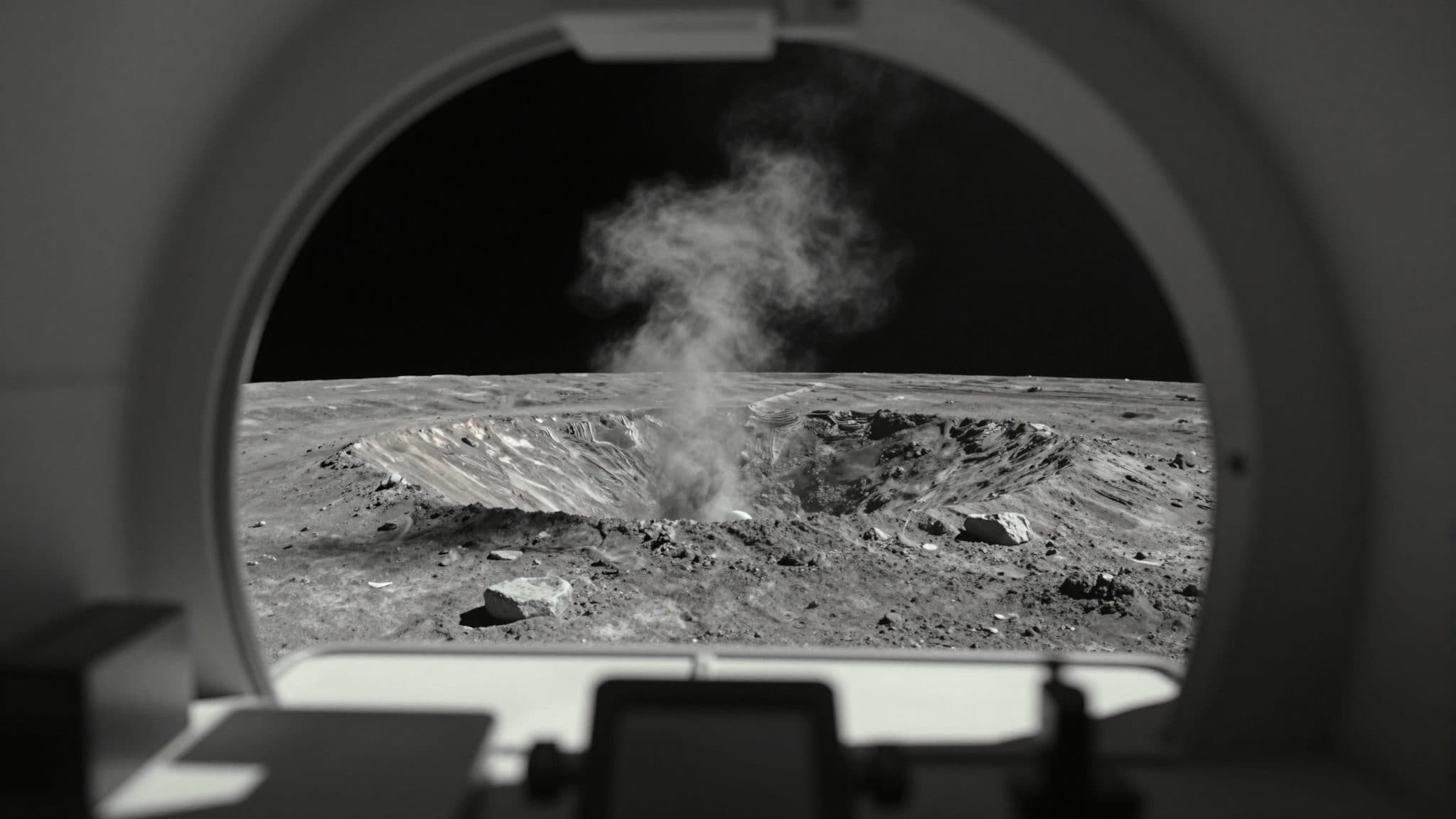
A roughly four-tonne piece of a SpaceX Falcon 9 rocket crashed into the Moon on Wednesday, shortly after SpaceX had released its first quarterly results as a publicly listed company.
Observation from Chile
The impact occurred on 6 August 2026 at 17:18 UTC on the Earth-facing side of the Moon and was documented by astronomers at the European Southern Observatory ESO. The observatory at La Silla in Chile deliberately pointed its telescopes at the expected impact site in order to capture the aftermath of the collision as precisely as possible. According to ESO calculations, the event took place within fractions of a second, so that every second of observation time counted.
The celestial object is a spent upper stage of a Falcon 9 rocket belonging to the US space company SpaceX. The component had been jettisoned in near-Earth space after launching a payload and had since swung onto an uncontrolled orbit around the Earth and toward the Moon. With a mass of about four tonnes, it ranks among the heaviest objects ever to have crashed onto the lunar surface – whether intentionally or unintentionally – from Earth orbit.