Mass arrests in Turkey rekindle criticism over freedom of expression ahead of NATO summit in Ankara
Ankara, July 06, 2026
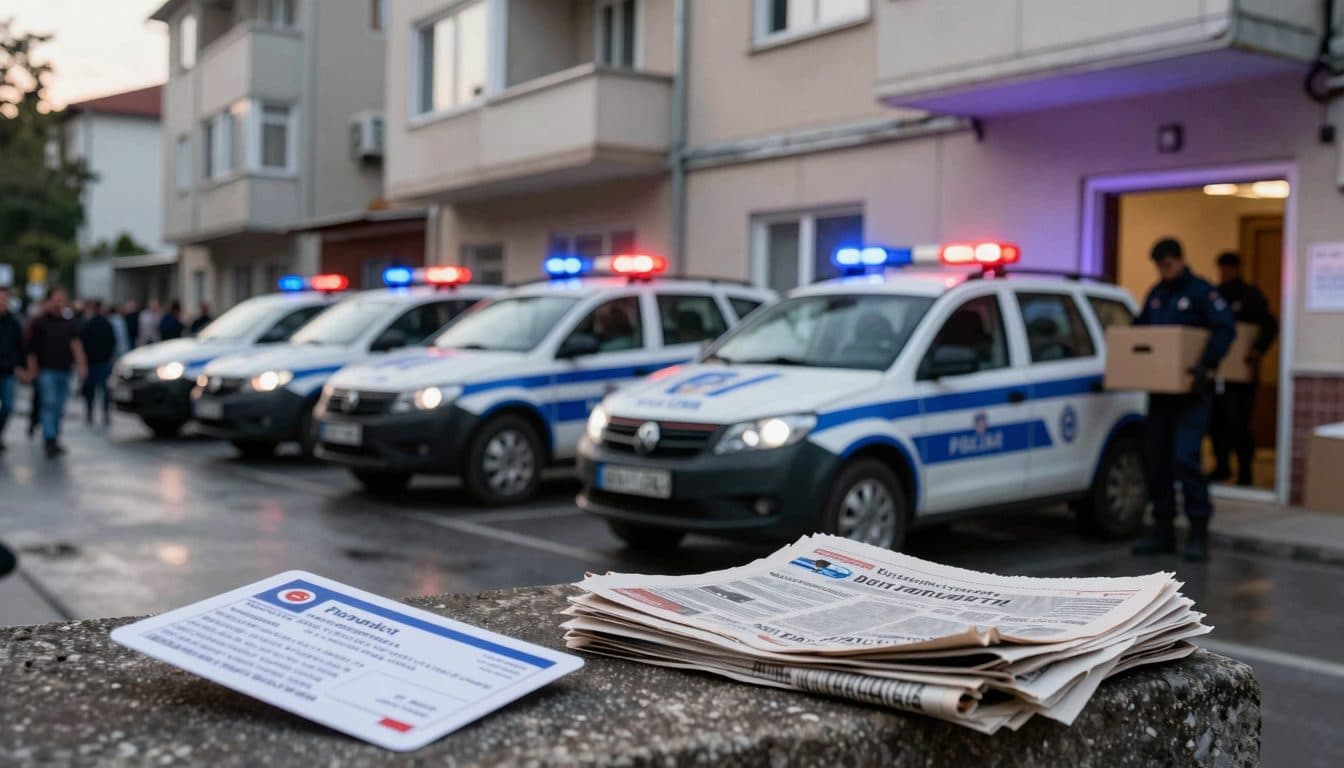
AI-generated image (z-image via Kie.ai)
Summary
A few days before the NATO summit in Ankara, Turkish authorities detained dozens of people, including journalists and academics, in raids across several provinces. Press organizations and lawyers denounce the operations as a crackdown on the opposition. The Alliance and its partners will have to respond to accusations that the measures seek to silence protests.
Ankara, July 06, 2026
Turkish authorities detained at least 39 suspects in simultaneous raids across eight provinces, in addition to another 28 people in the province of Kocaeli, just days before the NATO summit scheduled for July 7 and 8 in Ankara, according to the state agency Anadolu.
What's new since 05.07.2026
Update 06.07.2026: Turkish authorities carried out a new wave of raids this weekend in at least eight provinces, with dozens of people detained, among them journalists, academics and left-wing activists, according to the Anadolu Ajansı agency. In Kocaeli, a separate operation brought the provisional tally to more than 60 arrests.
The operations, officially described as part of counter-terrorism investigations, have been denounced by critics, lawyers and human rights organizations as an attempt by Recep Tayyip Erdoğan's government to prevent protests during the Atlantic Alliance summit. Opposition spokesperson and former presidential candidate Kemal Kılıçdaroğlu wrote on the X network that "la existencia de manifestaciones no daña el prestigio de un país, sino la represión del derecho a la protesta democrática", in a message addressed directly to the Turkish head of state.
What's new since 05.07.2026
Government accusations and critics
Since the last version of this report, the number of detainees has risen: Anadolu raised to 39 the number of suspects arrested in eight provinces and also reported another 28 people detained in the western province of Kocaeli on alleged links to extremist groups. Among those arrested, identified by name, were the head of international news at channel T24, Buse Söğütlü, and journalist Ceren Erdoğdu, from outlet Oda TV, who were detained at their homes and taken into police custody, according to their respective employers. The website Engelli Web, which monitors digital blocks in the country, confirmed that a Turkish court also blocked the site "NatoDefol" ("NATO, out") on grounds of national security and public order.
Reactions from journalism and the legal profession
Government accusations and critics
Prior arrests and repressive context
The Turkish executive, led by Recep Tayyip Erdoğan, justified the raids as counter-terrorism probes. "Die Behörden bezeichnen die Razzien als Teil von Ermittlungen zur Terrorismusbekämpfung", Anadolu reported. However, critics and international organizations argue the opposite: "Kritiker sagen indes, die Operationen zielten darauf ab, Proteste zu verhindern". Lawyer Erman Öztürk told AFP that the apparent aim was "Demokraten, Linke und die Presse einzuschüchtern" ("to intimidate democrats, the left and the press"). Reporters Without Borders (RSF), through its representative in Turkey Erol Önderoğlu, described the operations as "blind, arbitrary and disorderly".
The position of the NATO Secretary General
Reactions from journalism and the legal profession
Restrictions on press and protest
The Turkish Journalists' Union (TGC) and the Progressive Lawyers' Association (CHD) demanded on the X network the release of the detained communicators. "Sie bezeichneten die Festnahmen als Verstoß gegen die Pressefreiheit und nannten die Razzien einen Versuch, oppositionelle Stimmen im Vorfeld des Nato-Treffens einzuschüchtern", they wrote. Both groups stressed that these actions endanger "das Ansehen und die Sicherheit von Journalisten" ("the reputation and safety of journalists"). They also endorsed lawyer Öztürk's warning: while world leaders debate security in Ankara, Turkey's partners should not treat the rule of law as a "mere footnote".
The summit in the international spotlight
Prior arrests and repressive context
The weekend raids are part of a broader wave. "Bereits in der vergangenen Woche hatte es Festnahmen gegeben", Turkish media recall. At the end of June, human rights organizations tallied more than 200 detainees before the allied conclave, among them academics, lawyers, trade unionists, students, journalists and civil society representatives. One of this weekend's operations was directed "gegen den Jugendflügel einer verbotenen linken Gruppe" (against the youth wing of a banned left-wing group), according to Anadolu. During the searches, security forces "Bei den Razzien beschlagnahmten die Behörden Munition und verbotene digitale Materialien" (seized ammunition and prohibited digital materials).
The position of the NATO Secretary General
NATO Secretary General Mark Rutte responded evasively when a journalist asked him at a press conference whether Ankara was the most suitable venue for a meeting of liberal democracies and whether heads of state and government should raise these arrests with President Erdoğan. Without addressing the substance of the question directly, Rutte stated: "Demokratie ist mehr als freie Wahlen" ("democracy is more than free elections") and added that "natürlich bedeutet Demokratie auch, dass Menschen Demonstrationen organisieren können, wenn sie das wollen" ("of course, democracy also means that people can organize demonstrations if they want to"). He also stressed that "Demokratie seien auch die freien Medien" ("free media are also part of democracy"), although he avoided commenting on whether it was appropriate to hold the meeting in the Turkish capital.
Restrictions on press and protest
Journalists from Turkish opposition outlets also reported that they had not received accreditation to cover the summit. Authorities imposed blanket protest bans around the venue where the meeting will take place. In this context, supporters of Istanbul mayor Ekrem İmamoğlu, jailed since March 2025, called for the opposition figure not to be forgotten during the allied gathering, according to Turkish media coverage. The campaign page "Nato'ya Hayir" ("No to NATO") was also blocked for the same reasons.
The summit in the international spotlight
The NATO summit will bring together the heads of state and government of the 32 member countries in Ankara, including U.S. President Donald Trump. The holding of the meeting coincides with a delicate diplomatic operation in a country where Alliance partners publicly demand guarantees of respect for fundamental rights. The management of the event, the pressure from Western foreign ministries and Ankara's reaction in the coming days will set the agenda for an event that has been overshadowed by the wave of arrests.
Turkish human rights organizations and professional associations have announced that they will continue documenting every arrest and will deliver reports to the foreign delegations. Brussels and other European capitals have privately stressed their concern, although so far neither the Twenty-Seven nor NATO's leadership has issued a formal condemnation. With the start of the summit only hours away, press advocates are asking that the case become an official topic of conversation between the leaders and President Erdoğan.
Questions & Answers
How many people were detained in the raids ahead of the NATO summit in Ankara?
According to the state agency Anadolu, police detained at least 39 suspects in raids across eight provinces, to which another 28 arrested in the province of Kocaeli for alleged links to extremist groups must be added.
Who is among the detainees and how did press organizations react?
Among those detained are journalists such as Buse Söğütlü (T24) and Ceren Erdoğdu (Oda TV), as well as academics and left-wing activists. The Turkish Journalists' Union (TGC) and the Progressive Lawyers' Association (CHD) called for their release on X and described the operations as an attack on press freedom.
How did NATO respond to criticism over holding the summit in Ankara?
The Secretary General, Mark Rutte, responded evasively to a journalist's question and merely pointed out that "democracy is more than free elections" and that it includes press freedom and the right to demonstrate, without commenting on the suitability of Ankara as the venue.
Arrests in Turkey ahead of the NATO summit | allfacts360