
Seoul/New York, July 10, 2026
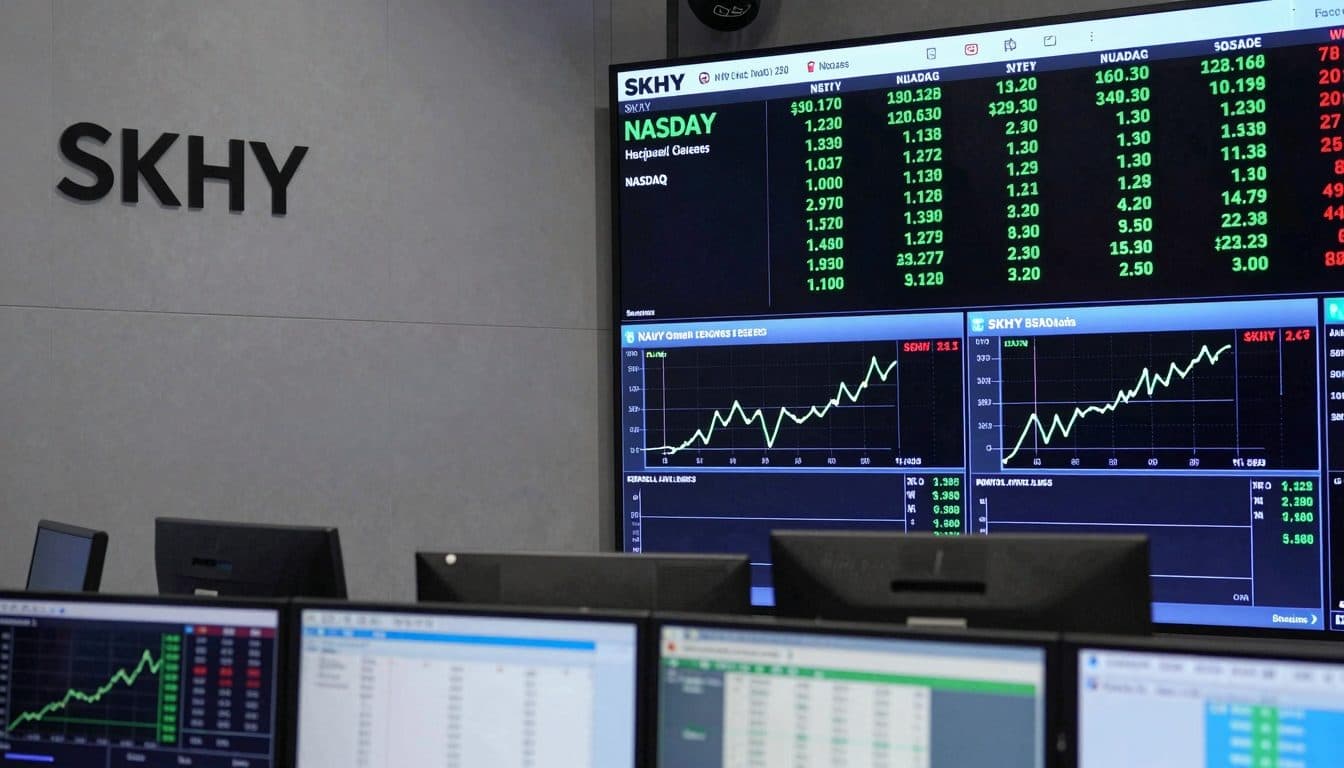
South Korean memory chip manufacturer SK Hynix debuted on the NASDAQ on July 10, 2026 under the ticker symbol "SKHY" and raised approximately $26.5 billion in its US initial public offering.
Measured by issue volume, SK Hynix's US listing is the second-largest IPO in history – behind the IPO of SpaceX in June 2026 and ahead of the Saudi Aramco IPO in 2019. The South Korean company set the offering price on the NASDAQ at $149 per share, according to SEC documents. The issue price of the ADR was based on the price of the common shares and amounted to roughly one-tenth of the closing price of 2,186,000 won on July 9, 2026.
As part of the secondary listing, SK Hynix issued 177.9 million new American Depositary Shares, which are traded in the form of ADRs, according to the SEC registration. Ten ADSs represent one common share, meaning the US offering represents about 2.5 percent of the shares outstanding. Previously, the group had estimated the expected net proceeds from the IPO at approximately $28.0 billion, according to SEC documents, although this figure was after deducting issue discounts, issue costs and commissions.
Scale of the IPO
In the run-up to the offering, cornerstone investors Baillie Gifford, Coatue Management and Situational Awareness Partners had signaled interest in subscribing to ADRs worth up to $7 billion in total as part of the IPO. Jupiter Asset Management also sees upside potential from the US listing: "Wir sind der Ansicht, dass SK Hynix zumindest auf dem Bewertungsniveau von Micron notieren sollte," Sam Konrad, investment manager at Jupiter Asset Management, is quoted as saying by Bloomberg.
Ha SeokKeun, chief investment officer at Eugene Asset Management in Seoul, sees room for a significant revaluation according to Bloomberg and expects, in a base case scenario, around 30 percent upside for the Seoul-listed shares and around 45 percent for the ADRs. HSBC analysts also raised their price target for the Seoul-listed share by 38 percent at the end of June, citing improved accessibility for global investors.
Voices from the investment community
According to several business media outlets, the planned share placement by the South Korean chipmaker is meeting with strong demand from investors. As several business media outlets report, SK Hynix is raising approximately $26.5 billion with the move. The proceeds are intended to finance the expansion of AI memory chip production.
According to market researcher Counterpoint, SK Hynix holds around 60 percent of the global HBM market share and is one of NVIDIA's central suppliers. HBM stands for High Bandwidth Memory, a particularly powerful memory chip used in data centers for AI applications. Capital expenditure for 2026 is set to rise significantly compared to the previous year, particularly for the expansion of the Yongin complex and the purchase of EUV equipment.
Market position in AI memory chips
Driven by the boom in AI memory chips, SK Hynix overtook Samsung Electronics in June 2026 for the first time as the most valuable listed company in South Korea, after a quarter century of uninterrupted leadership by its rival. The latest quarterly results provided a clear growth story: in the first quarter of 2026, SK Hynix generated revenue of approximately 52.6 trillion won, net profit of approximately 40.3 trillion won and operating profit of around 37.6 trillion won, according to the company.
The operating margin in the reporting period was 72 percent, which is unusually high even compared to leading logic chip manufacturers. In South Korea, the SK Hynix share has performed extremely strongly in recent months, gaining around 700 percent in value over the past twelve months.
Rally and setbacks in Seoul
The rally, however, has not been without setbacks: in recent weeks, the share price in Seoul dropped sharply several times due to profit-taking and AI concerns, and is now well below its 52-week high. Although the share has lost around a quarter of its value over the past two weeks, it is still up 680 percent year-to-date.
The timing of the US listing comes at a time when geopolitical tensions around South Korea as a semiconductor location have intensified. South Korea is one of the few countries capable of manufacturing cutting-edge memory chips in sufficient quality and volume. The NASDAQ listing gives SK Hynix more direct access to the US capital market, which is crucial for financing the billion-dollar investments in new manufacturing capacity.
The IPO on the NASDAQ also brings with it a changed perception by international investors, who can now more easily include the company in their portfolios. ETFs and institutional investors who, for regulatory reasons, are only allowed to buy US-listed securities, are thus gaining easy access to the South Korean memory chip giant for the first time.
For the coming quarters, observers expect SK Hynix to invest the additional funds primarily in the expansion of HBM production and in the construction of the Yongin complex. These investments are necessary to meet rising demand for AI memory chips, which continues to grow amid the ongoing expansion of data centers.
Outlook on investments and risks
At the same time, risks remain: should the AI boom lose momentum or should geopolitical tensions escalate, the company's valuation could come under pressure. The dependence on a single major customer such as NVIDIA is also cited by market observers as a potential weakness.
Trading on the NASDAQ is seen by analysts as an important milestone for the entire South Korean semiconductor industry. Should the listing proceed successfully, it could pave the way for other Korean technology companies to list on US stock exchanges, thereby broadening their access to global capital.
This news was broadcast on July 10, 2026 on the Deutschlandfunk program. The news situation is being picked up by business media worldwide, as the IPO represents the second-highest issue volume in history and underscores the growing importance of the AI memory market.
The inclusion in US trading marks a further step in SK Hynix's transformation from a company predominantly traded in South Korea to a global semiconductor group. The coming weeks will show whether investor confidence in the company's growth story persists and whether the funds raised are actually channeled into the announced capacity expansion.