US and Iran wrestle over de-escalation: Ceasefire broken, talks continue
Washington/Tehran, July 10, 2026
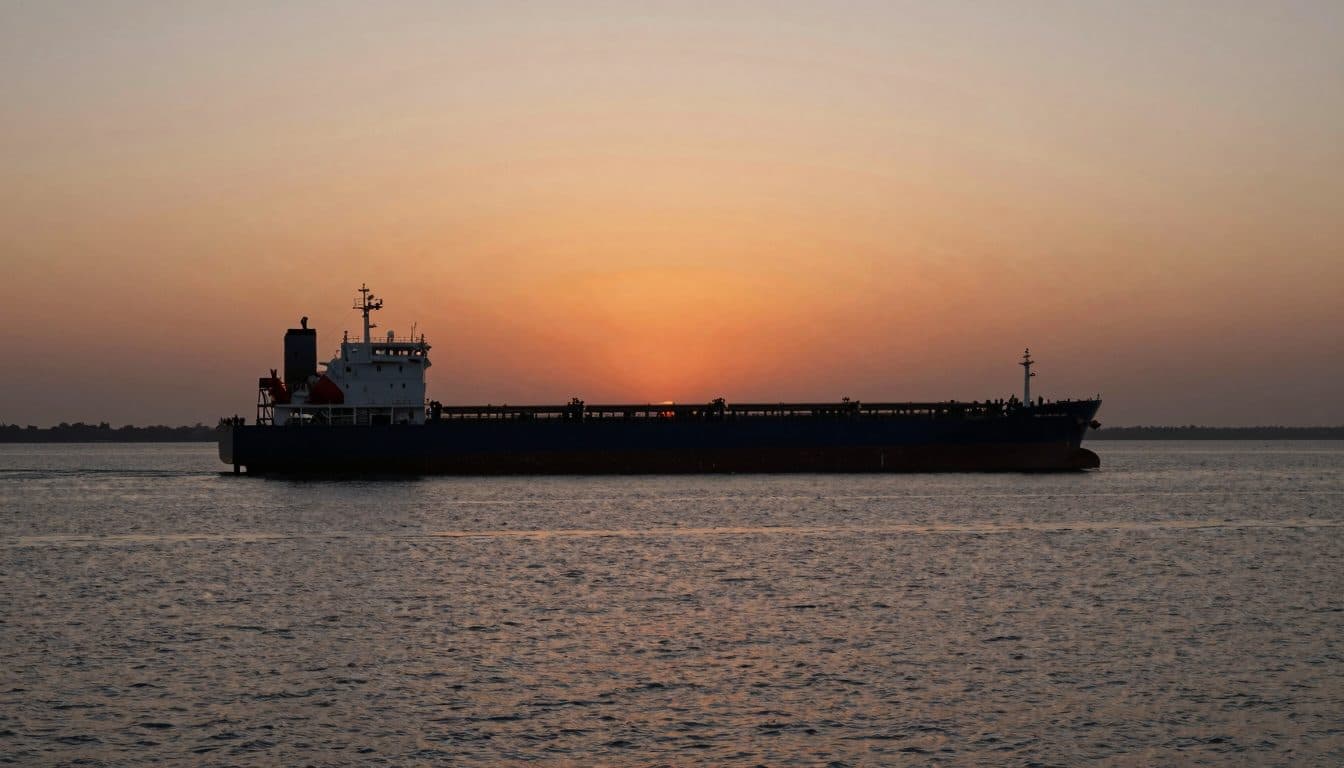
AI-generated image (z-image via Kie.ai)
Summary
Between the US and Iran, the ceasefire that had been in effect since April is de facto over, yet both sides are keeping talks going. US President Donald Trump declared the agreement finished at the NATO summit in Ankara, but at the same time wrote that Washington had agreed to continue the talks at Tehran's request. Mediators from Qatar and Pakistan are trying to defuse the situation, while shipping traffic in the Strait of Hormuz has nearly ground to a halt.
Washington/Tehran, July 10, 2026
After the end of the ceasefire that had been in place since April, the US and Iran have continued their talks on ending the conflict with the mediation of Qatar and Pakistan, while US President Donald Trump simultaneously declared the framework agreement a failure.
Trump's contradictory signals
The ceasefire that had existed between Washington and Tehran since April is, according to the US account, over. US President Donald Trump declared on Wednesday at the NATO summit in Ankara that, from his perspective, the framework agreement with Iran was finished. "I think it's over. I don't want anything to do with them anymore. They are scum," Trump said in response to a reporter's question about whether the ceasefire and framework agreement were now history. At the same time, he wrote on his platform Truth Social that Washington had agreed to continue the talks at Tehran's request, but placed the word "talks" in quotation marks and wrote in capital letters that the ceasefire was "OVER." Shortly afterward, he said he was "number one on Iran's death list" and called Tehran's representatives liars. "They are liars," Trump wrote, and at the summit he said: "It's a complete waste of time dealing with them."
The conflict between the two countries had escalated significantly in recent days. The US flew multiple waves of strikes against targets in Iran, justifying them with the shelling of commercial ships in the Strait of Hormuz, which Washington attributes to Tehran. "The US government justified this with the shelling of commercial ships, which the US attributes to Tehran," the reporting states. Iran responded in turn with attacks in which US allies on the Persian Gulf, such as Kuwait and Bahrain, also came under fire. "In the aftermath, US allies on the Persian Gulf such as Kuwait and Bahrain reported hostile fire," the sources report. Qatar accused Iran on Tuesday of attacking a gas tanker in the strait, in which two other ships were hit.
Economic fallout: Shipping in the Persian Gulf at a standstill
The economic consequences of the fighting are severe. The data provider Windward wrote in an analysis published on Thursday on X that shipping traffic out of the Persian Gulf had "effectively come to a standstill." According to Kpler data available to the Deutsche Presse-Agentur, only 22 ships passed through the Strait of Hormuz on Thursday. "On Wednesday, transits were still at 30," dpa reports. A week earlier, before the renewed outbreak of fighting, there had been 48 passages. "Transits are thus on a downward trend since their peak in mid-June," the data provider noted. During the war, transit through the strait had at times come to a near-complete halt. Energy prices then rose significantly, which put Trump under domestic pressure to quickly restore shipping through the strait.
Mediation efforts: Qatar and Pakistan
Despite the mutual attacks and the harsh words, both sides are keeping talks going. "The signing of the framework agreement between the US and Iran at the time provided for an end to hostilities," the reporting recalls. "Iran-US talks continue," the report states. A US government official told dpa that the US was still pursuing a solution and conducting technical talks. Trump declared in Ankara that he would let his negotiators continue talking with Iran if Tehran wished, but at the same time stressed that the ceasefire was over and that the US had made it unmistakably clear to Tehran that the ceasefire was over. The US had set the Iran a deadline until Saturday, according to Axios and the Wall Street Journal citing US government officials, to publicly commit to keeping the Strait of Hormuz open and to stop attacking commercial ships. The demand was conveyed to Tehran directly and through mediators. What consequences Iran would face in the event of non-compliance was initially unclear. Trump had most recently threatened Iran with even heavier attacks should Tehran continue to fire on ships in the strait.
Behind the scenes, several states are trying to mediate. According to reports by CNN and Axios citing diplomats, a delegation from Qatar traveled to Iran to mediate. The Qatari delegation arrived in Iran, according to a report by the Iranian news agency Tasnim. The Qatari Foreign Ministry stated that it continued to support efforts toward de-escalation and a comprehensive agreement; freedom of navigation in the Strait of Hormuz must be guaranteed. Qatar had declared on Tuesday that it wanted to strengthen its mediating role in the conflict after accusing Iran of attacking a gas tanker in the strait. Pakistan is also involved in the mediation process, according to information from Pakistani security circles. Accordingly, there was a long conversation between Iranian Foreign Minister Abbas Araghchi and Pakistani military chief Asim Munir. The Iranian side had asked Pakistan to signal to the US its willingness to talk, the circles further report. A Pakistani representative warned the Iranian negotiators: "If countries like Saudi Arabia or the United Arab Emirates start to strike back against Iran, this war will completely change in its form."
Weekend talks planned remain uncertain
At the same time, Pakistani security circles say that the further talks planned for the weekend are currently uncertain. Even before the latest attacks, the talks had stalled. According to sources in Islamabad, the Iranian side expressed uncertainty in the talks about how hardliner factions in the country would behave in the future. Trump had repeatedly threatened Iran recently and publicly questioned the point of further talks: "US President Donald Trump had repeatedly threatened Iran recently and publicly questioned the point of further talks," dpa writes.
Israeli warning of Iranian assassination plot
An additional strain on relations stems from a report by the Wall Street Journal and CNN, according to which Israel had warned the US government of a suspected Iranian assassination plot against Trump. The leadership in Tehran had reportedly only recently drawn up the suspected plan. CNN quoted a US government official as saying that the US government receives such warnings frequently, but that the Israeli warning was new and had referred to a concrete assassination plot. Other US officials expressed the suspicion that the Israeli warning could be an attempt to influence Trump's further course of action in the conflict with Iran. Israeli Prime Minister Benjamin Netanyahu had most recently advocated a significantly tougher course toward Tehran and had come into conflict with Trump over it.
Burial of the former Iranian head of state
On the return flight from the NATO summit in Ankara, Trump did not, as expected, use the new Air Force One, fueling speculation about security risks in connection with the gift from the Gulf emirate of Qatar. In Iran, meanwhile, there was a political act of mourning: The former Iranian head of state, Ayatollah Ali Khamenei, was buried at the shrine of Imam Reza in his hometown of Mashhad in the northeast of the country, more than four months after his killing, in a non-public ceremony, as Iranian media unanimously reported.
The tone between Washington and Tehran remains sharp. Trump repeatedly called the Iranian leadership scum and liars and at the same time held out the prospect of continuing talks if Tehran wished. The US is demanding, according to media reports, that Iran commit to free and safe shipping in the Strait of Hormuz. Iran denied through its Foreign Ministry that it had requested talks; spokesman Esmaeil Baghaei stated that Iran had merely agreed to a visit by the Qatari mediator. The ceasefire had indeed been repeatedly broken since April, but the talks under international mediation formally continued. Whether the mediation effort still has a chance is considered open.
The latest escalation makes clear the volatility of the situation in the Persian Gulf. With Kuwait, Bahrain, and Jordan, three countries that host important US military bases came under fire in recent days. The US has meanwhile tightened its sanctions on Iranian oil again. If shipping through the Strait of Hormuz remains blocked, further turmoil on the energy markets and additional domestic political pressure on the US government threaten.
Observers interpret the contradictory signals from Washington as a tactical maneuver: On the one hand, Trump declares the ceasefire over and threatens Iran with escalated attacks; on the other, he keeps talks on ending the conflict going. The coming days will show whether the mediation efforts of Qatar and Pakistan can still take hold or whether the Strait of Hormuz becomes the scene of a comprehensive regional conflagration.
Overall, it is evident that the diplomatic channels between Washington and Tehran have not been completely severed despite all the rhetoric. The US says it is still conducting technical talks with Iranian representatives, mediated through Qatar and Pakistan. Whether these contacts will produce a new ceasefire or whether the fighting will continue to escalate depends, according to observers, not least on the behavior of the hardliners in the Iranian power apparatus, whose future role is considered uncertain.
Questions & Answers
Who is currently mediating between the US and Iran?
According to reports by CNN and Axios citing diplomats, a delegation from Qatar traveled to Iran to mediate; Pakistan is also involved in the mediation process, according to information from Pakistani security circles, with a longer conversation between Iranian Foreign Minister Abbas Araghchi and Pakistani military chief Asim Munir.
What is Washington demanding from Iran?
The US is demanding, according to media reports, that Iran publicly commit to keeping the Strait of Hormuz open and to stop attacking commercial ships, with an original deadline set for Saturday.
What consequences does the escalation have for shipping?
Data provider Windward stated that shipping traffic out of the Persian Gulf had effectively come to a standstill; according to Kpler data, only 22 ships passed through the strait on Thursday, compared with
US and Iran: Ceasefire broken, talks continue | allfacts360