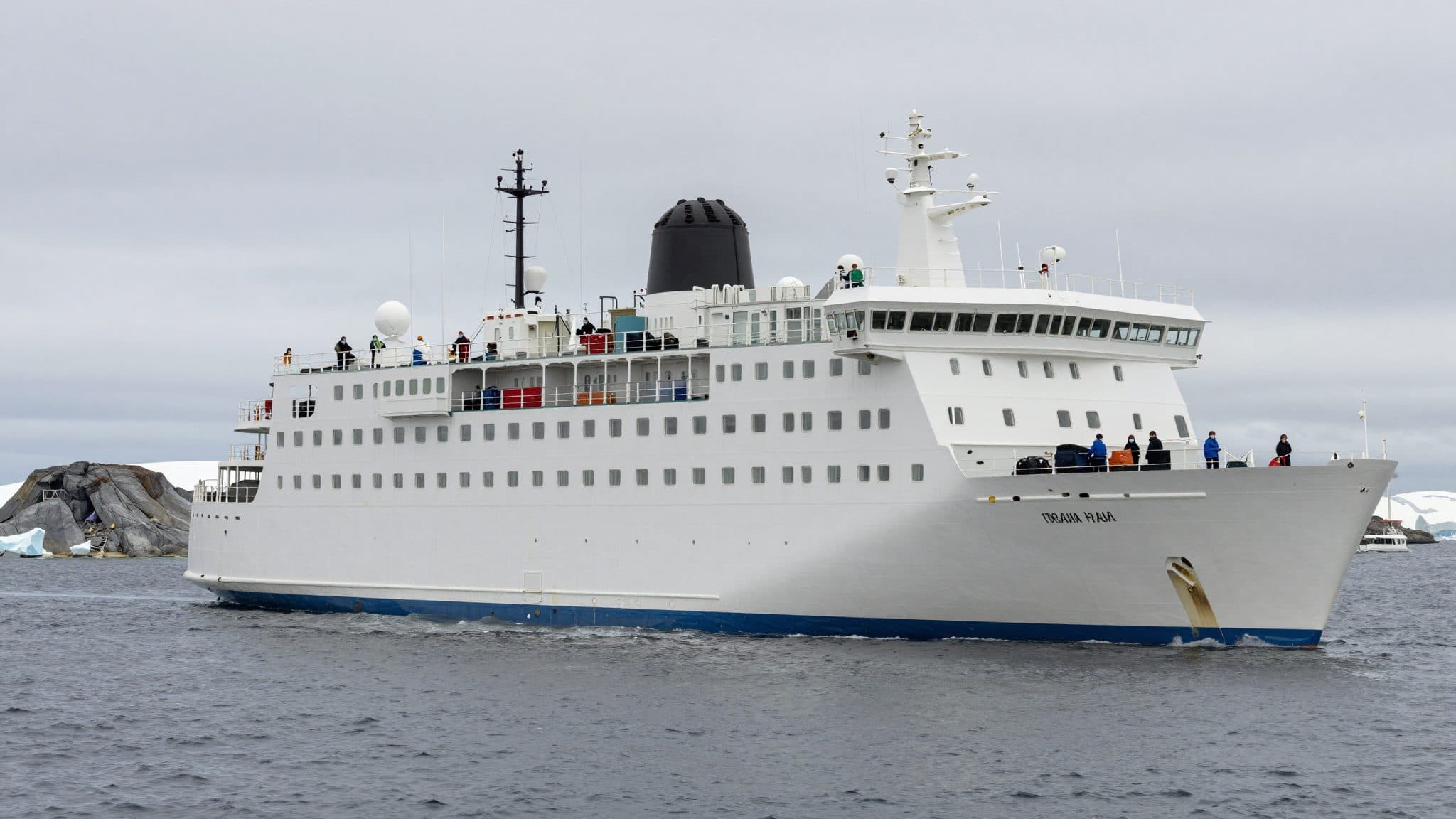
WHO Declares Hantavirus Outbreak on "Hondius" Over: Final Contact Released from Quarantine
Geneva, 02 July 2026
AI-generated image (z-image via Kie.ai)
Summary
The World Health Organization has declared the deadly hantavirus outbreak on the cruise ship "Hondius" over. No new cases have been reported since 25 May, WHO Director-General Tedros Adhanom Ghebreyesus announced in Geneva.
Geneva, 02 July 2026
The World Health Organization (WHO) officially declared the hantavirus outbreak aboard the cruise ship "MV Hondius," operated by the Dutch shipping company Oceanwide Expeditions, over on Thursday in Geneva, after the final contact person completed their quarantine period and tested negative.
Itinerary and Those Involved
In total, 13 people were infected with the rare Andes strain of the hantavirus during the outbreak, three of whom died. The toll thus remained at the figures already known for weeks. WHO Director-General Tedros Adhanom Ghebreyesus told journalists in Geneva that no further cases connected to the cruise ship "Hondius" had been reported since 25 May. "No further cases have been reported since May 25", the WHO Director-General said.
The final contact person had tested negative for the virus and had ended their quarantine, it was further reported. "Today, the final contact of a person exposed to hantavirus on the cruise ship MV Hondius completed their quarantine period, tested negative and returned home", said Tedros. With the conclusion of this monitoring phase, the prerequisite for officially considering the outbreak over had been met. "We are therefore very pleased to say that WHO considers the outbreak of hantavirus over."
Shipping company Oceanwide Expeditions had begun the voyage on the "Hondius" on 1 April in Ushuaia in southern Argentina. The route took the ship past remote islands in the South Atlantic, including Tristan da Cunha, and further north to Tenerife, one of the Canary Islands. Some 150 people from roughly 23 countries were on board. The cruise ended there under special safety precautions, and passengers were repatriated to their home countries in May.
The infections occurred during and after the voyage. These comprise twelve confirmed cases as well as one probable case. Among the three deceased was also a German national, according to media reporting. The Robert Koch Institute (RKI) had placed the Andes strain of the hantavirus, a rodent-associated virus, at the center of its investigation. RKI President Lars Schaade said, by way of comparison with the coronavirus: "Das ist kein Virus, das sich verbreitet." In doing so, he referred to the fundamentally different transmission route of the pathogen.
Investigations into the Origin
Since the start of the outbreak, health authorities said they had identified and monitored more than 650 contact persons in around 30 countries. These individuals were either fellow travelers, crew members, or had come into contact with infected persons in their home countries. The monitoring period for contacts was 42 days, according to the US authorities. "Im Moment sieht es gut aus": all contacts had been traced, according to the responsible agencies.
The US health authority CDC had previously ended its measures related to the outbreak after all potentially affected US citizens had completed the 42-day monitoring period without any reported infection. The RKI had also repeatedly pointed out that the Andes strain of the hantavirus posed no pandemic threat. An infectious disease specialist stated that the variant that had appeared on the ship posed no danger to Europe.
Hantaviruses are usually transmitted through contact with the excretions of infected rodents, for example by inhaling stirred-up dust. Human-to-human transmission, as is possible with the coronavirus, occurs only in very rare cases with the Andes strain. The infection chain thus differs fundamentally from that of respiratory pathogens. From the outset, the RKI classified the situation as locally contained.
Shipping Company's Response
The exact circumstances under which the passengers and crew members were infected on the "Hondius" are still being investigated, according to the WHO. The focus is on possible contacts with rodents during the shore excursions on the remote islands as well as on board the ship. Results of the investigation published to date were not available on Thursday.
Oceanwide Expeditions had so far been restrained in its public statements on the outbreak. Safety precautions and hygiene measures had been heightened throughout the entire voyage and during the repatriation of passengers. What would happen next with the ship and its future sailings remained initially unclear. No further details were initially known regarding potential civil or insurance-related consequences for the relatives of the deceased.
Assessment by the RKI
With the WHO's official declaration that the outbreak is over, an international health alert that had lasted several weeks comes to an end. Authorities in the approximately 30 affected countries had over a period of weeks identified contact persons, carried out tests, and coordinated monitoring phases. The WHO assessed the course as evidence of the effectiveness of the international reporting and surveillance systems.
The declaration means that the WHO recommends no new measures in connection with the outbreak. At the same time, national health authorities continue to monitor the overall epidemiological situation, particularly with regard to other hantavirus strains that are endemic in various regions of the world. According to the RKI's assessment, there was never any acute danger to the population in Germany or Europe.
From a travel medicine perspective, the RKI pointed out that travel to regions with known hantavirus circulation was possible with appropriate caution. This included avoiding contact with rodents and their excretions as well as careful hygiene in accommodations in rural areas. These recommendations were not new, but were considered an updated note in light of the case.
International Coordination
On 2 July 2026, Deutschlandfunk published a report on the WHO's move, which was also picked up by international agencies such as dpa. The WHO had previously already announced that the end of the outbreak was in sight, but wanted to take the formal step only after the completion of all quarantines.
The three deaths in connection with the outbreak will be included in the international statistics on hantavirus diseases. This is a rare but severe infectious disease, whose case fatality rate for the Andes strain, depending on the study, is around one third. No specific therapy or approved vaccine against hantaviruses exists to date; treatment is limited to intensive medical measures.
The WHO emphasized that the outbreak on the "Hondius," despite its dramatic course with three deaths and a high number of contact persons across more than 30 countries, had been brought under control through the existing surveillance and response mechanisms. Tedros spoke of a coordinated effort by national authorities and international partners.
Questions & Answers
How many people were infected with the hantavirus on the "Hondius"?
In the outbreak on the "MV Hondius," there were a total of 13 infections, including twelve confirmed cases and one probable case. Three of those infected died, among them a German national.
Why did the WHO declare the outbreak over now?
The WHO declared the outbreak over because no new cases had occurred since 25 May 2026, and the final contact person had completed their quarantine and tested negative.
What is known about the "Hondius" itinerary?
The ship, operated by the Dutch shipping company Oceanwide Expeditions, departed on 1 April 2026 from Ushuaia in Argentina, sailed past remote islands in the South Atlantic such as Tristan da Cunha, and ended in Tenerife, from where the roughly 150 passengers from around 23 countries were repatriated to their home countries.
WHO Declares Hantavirus Outbreak on "Hondius" Over: Final | allfacts360