
Kyiv, 28 May 2026
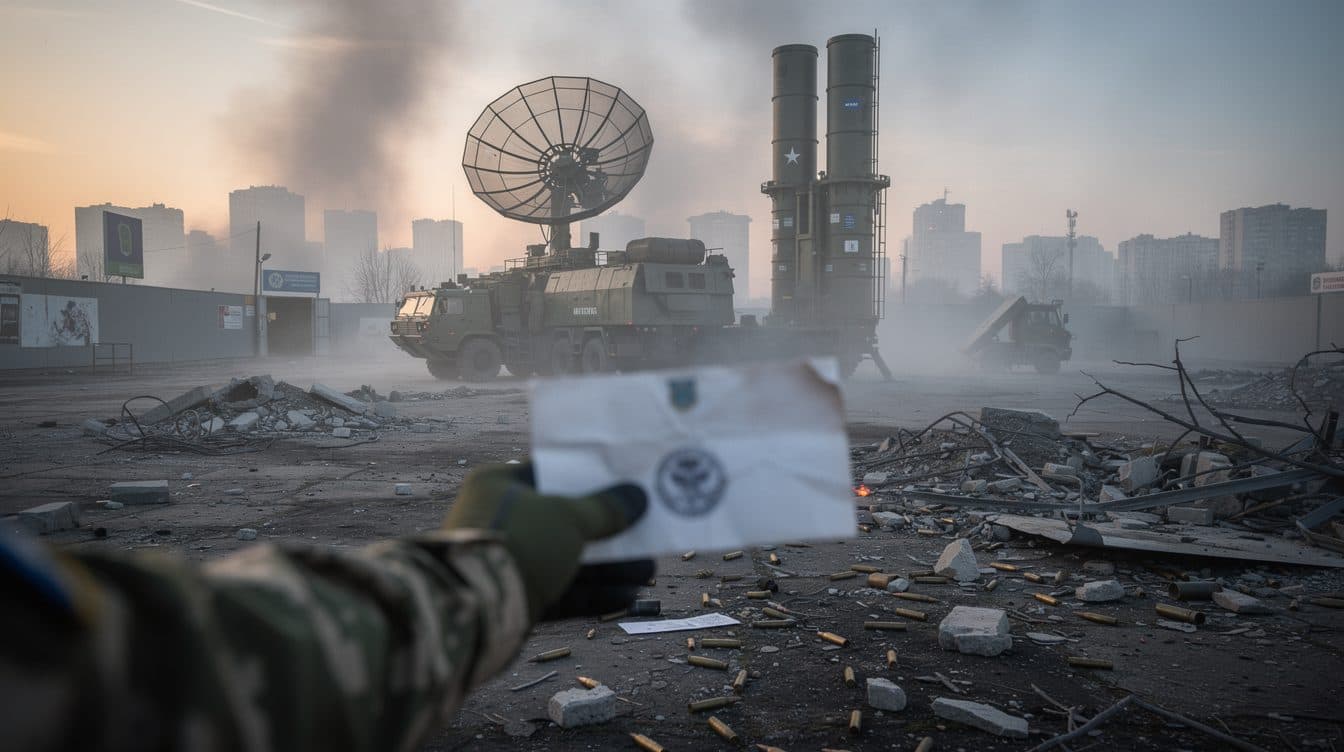
President Volodymyr Zelenskyy has sent a letter to U.S. President Donald Trump requesting urgent supplies of Patriot PAC-3 interceptor missiles to neutralize what he described as Russia’s “last major advantage” in the war.
In the letter, seen by the AFP news agency, Zelenskyy asked the U.S. government to “help us secure this vital instrument of protection against Russian terror.” He argued that faster delivery of better ballistic-missile defenses would accelerate the path to diplomacy.
“The sooner we are able to provide greater protection against ballistic threats, the sooner diplomacy will work,” Zelenskyy wrote in a separate post on the social media platform X.
The appeal followed a night of heavy Russian bombardment. Ukraine’s air force reported that Russia fired 30 ballistic missiles, of which only 11 were intercepted. The attacks struck the capital Kyiv and the southern port city of Odesa, killing at least three people and injuring more than 100.
Deadly Strikes on Kyiv and Odesa
The European Union condemned the strikes as an “unacceptable escalation.” EU Commission spokesperson Anitta Hipper called on Russia to halt attacks on civilians and agree to a “full and unconditional ceasefire.”
The latest violence underscored the growing strain on Ukraine’s air defenses. Military expert Nico Lange of the Munich Security Conference estimated that Russia produces roughly 850 ballistic missiles per year, while the United States manufactures only about 600 Patriot PAC-3 interceptors in the same period.
Lange identified what he called Russia’s “two Achilles’ heels” in missile production: propellant chemicals sourced from Uzbekistan and Western microelectronics that reach Russia via Belarus, Central Asia, and China.
Russia’s Missile Production and Supply Chains
“Hard disruption of Russia’s supply chains for ballistic missile production is the best air defense for Europe,” Lange said. “That also includes supporting Ukraine in bombing Russian factories for the missile program.”
U.S. Secretary of State Marco Rubio, speaking during a visit to India, described the massive strikes as a grim reminder of the war’s toll. “Every time you see these massive attacks from one side or the other, it is a sobering reminder of why this is a terrible war,” Rubio said. “It must be ended.”
Russia, meanwhile, claimed its forces had captured additional settlements in eastern Ukraine and accused Kyiv of striking a vocational school in the occupied Luhansk region, an attack it said killed 21 civilians last week.
Moscow’s Recruitment Drive and Regional Pressure
In a move to bolster its own ranks, President Vladimir Putin signed a decree offering debt relief of up to 10 million rubles — roughly 120,000 euros — to new recruits and their families. The measure applies to Russians who sign contracts of at least one year for what Moscow calls the “special military operation.”
The Kremlin also intensified pressure on Armenia ahead of parliamentary elections, threatening to cancel a favorable supply agreement for gas, oil products, and uncut diamonds if Yerevan continues its rapprochement with the EU, the Russian newspaper Kommersant reported.
In another sign of the conflict’s expanding footprint, Russia’s central bank and other financial institutions were granted legal authority to shoot down drones independently, a measure aimed at protecting critical infrastructure from Ukrainian aerial attacks.
Expanding Drone Warfare and Collateral Damage
Russia’s UN ambassador described the severe damage to an ARD television studio in Kyiv as unintended “collateral damage,” while Moscow reported repelling a Ukrainian drone and missile attack on the port of Sevastopol in annexed Crimea.
Ukrainian authorities said Russian strikes also wounded 21 people in the Dnipropetrovsk and Zaporizhzhia regions. The attacks came hours after Russia accused Ukraine of targeting the southern Russian port city of Taganrog.
Zelenskyy’s direct appeal to Trump reflects Kyiv’s deepening reliance on Western-supplied air-defense systems. Despite advances in domestic weapons production, Ukraine remains dependent on Patriot batteries to intercept the most advanced Russian ballistic missiles.
The Diplomatic Calculus Behind the Missile Request
The letter emphasized that securing Patriot ammunition is not only a military necessity but a diplomatic lever. “The faster we can ensure better protection against ballistic threats, the sooner we will be able to make diplomacy succeed,” Zelenskyy stated.
The exchange of strikes and diplomatic maneuvering illustrates a battlefield where both sides are racing to secure advantages before any potential negotiations. For Ukraine, closing the missile-defense gap has become a central strategic objective.
As civilian casualties mount and international pressure grows, the coming weeks are likely to test the willingness of Western capitals to sustain and expand military support for Kyiv at the pace Zelenskyy says is required.