Eight Tons of Cocaine Seized in Wilhelmshaven – One of Germany's Largest Finds
Wilhelmshaven, June 03, 2026
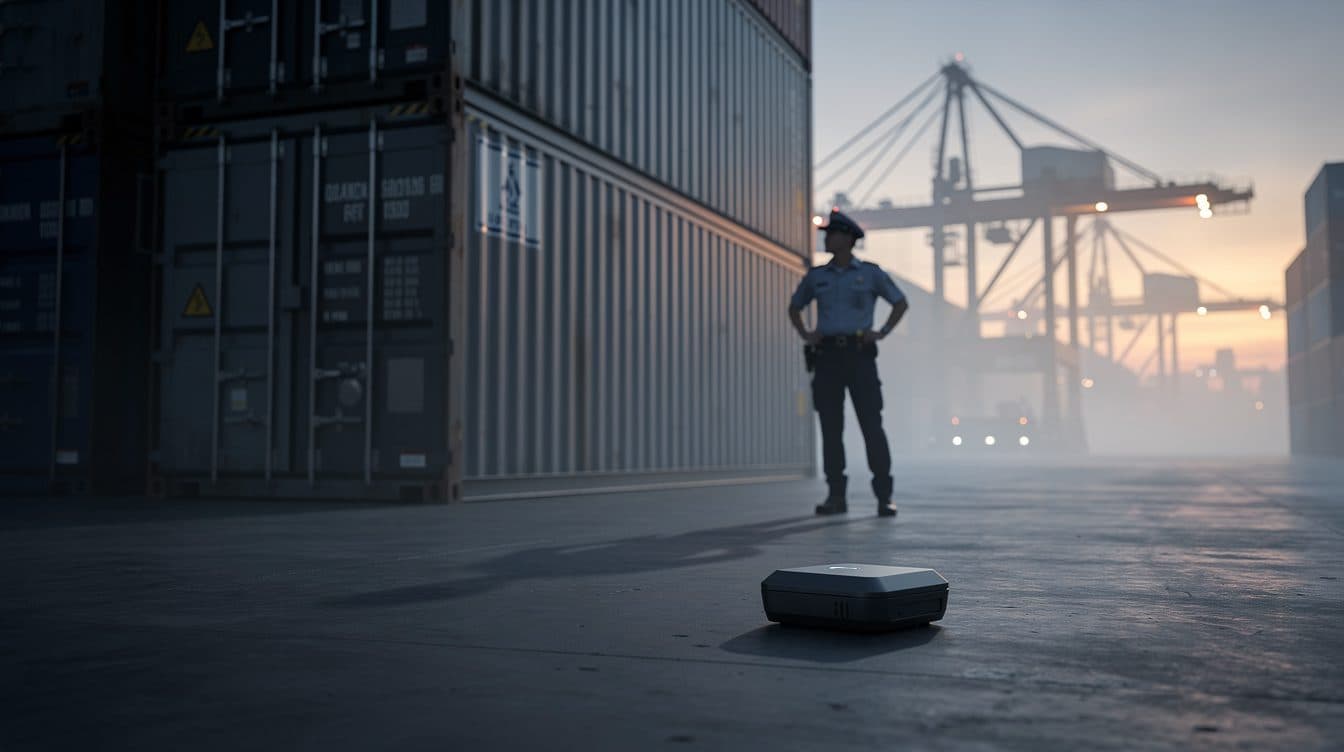
AI-generated image (flux-2/pro-text-to-image via Kie.ai)
Summary
German customs have seized eight tons of cocaine worth around 500 million euros at the JadeWeserPort in Wilhelmshaven. According to the shipping documents, the shipment was declared as a container of cocoa beans from West Africa and was destined for Spain.
Wilhelmshaven, June 03, 2026
German customs seized eight tons of cocaine with an estimated street value of around 500 million euros at JadeWeserPort in Wilhelmshaven on February 9, 2026, as announced by the Aurich public prosecutor's office and the General Directorate of Customs in Cologne.
The Find at the Port
During the inspection of a sea container, which according to the shipping documents contained cocoa beans and was destined for Spain, the control unit of the main customs office in Oldenburg discovered irregularities during an X-ray examination. After opening the container, customs officers found more than 400 packages wrapped in black foil, each containing about twenty tightly pressed blocks of cocaine. To avoid alerting the perpetrators, the find was initially kept secret for investigative reasons.
As investigators further reported, the perpetrators had equipped the packages with GPS trackers to monitor the location of the cargo at all times. The drugs were destroyed in Germany under strict security measures to prevent violent retrieval attempts by criminals.
Arrests in Spain
In mid-May, Spanish authorities arrested two alleged masterminds during a staged container handover in the province of Almería. According to investigators, one of the accused is the managing director of an import company. The find in Wilhelmshaven is considered by the authorities to be one of the largest cocaine seizures in Germany in recent years and, at the same time, the largest amount of cocaine ever seized at JadeWeserPort.
Federal Finance Minister Lars Klingbeil (SPD) described the find as a severe blow against international drug trafficking. He stated: "Eight tons of cocaine in a single seizure – that is a hard blow against international drug trafficking." He announced that the so-called Customs Finance Justice Act would be presented to the cabinet shortly, which is intended to provide customs with new technical and legal instruments in the fight against organized crime.
Origin from Sierra Leone
According to NDR information, the ship that transported the drugs came from Sierra Leone. The West African country has become a focal point for cocaine smuggling in recent years. Just a few weeks ago, Spanish police intercepted a cargo ship with more than 30 tons of cocaine, which also came from Sierra Leone. This development is in line with a finding by the EU police agency Europol, which stated in a report in January that criminals were attempting to bypass major ports.
Experts view the fact that the smuggling route went through Wilhelmshaven as a sign of a shift in routes. Nils Gärtner, head of the Hamburg Customs Investigation Office, explained: "We are observing evasive movements towards smaller and medium-sized seaports." Gärtner pointed out that smugglers are reacting to the increased customs pressure in large seaports. In Lower Saxony, in addition to Wilhelmshaven, the ports of Emden and Brake are also affected.
Until now, Wilhelmshaven was not known as a hotspot for cocaine smuggling in the ton range. In recent years, large seizures have primarily been concentrated in the ports of Antwerp, Rotterdam, and Hamburg. Several European ports had subsequently increased their security standards. In 2024 and 2025, German authorities seized significantly smaller quantities in Hamburg and Bremerhaven compared to earlier comparable periods.
Relocation of Smuggling Routes
Criminals are increasingly using alternative routes and smuggling techniques. According to investigators' findings, this also includes organizing drug handovers at sea: large mother ships bring the drugs to smaller boats, which then bring them ashore. According to Gärtner, however, the actual work of the Customs Investigation Office only begins after the drugs have been seized.
The Hamburg Customs Investigation Office states that its goal is to identify the masterminds and those responsible, to permanently dismantle criminal structures, and to confiscate criminal assets from the perpetrators. Gärtner said: "Because the goal of the Customs Investigation Office is, of course, to identify the masterminds and those responsible, to permanently dismantle criminal structures, and in particular to confiscate illicit assets from the perpetrators." Such investigations can take months or years.
Investigators see the seizure in Wilhelmshaven as confirmation of the thesis of a fundamental shift in cocaine smuggling to Europe. According to experts, the trend of increasing amounts of cocaine being smuggled into Europe has been ongoing for about ten years. The case in Wilhelmshaven is therefore considered evidence that smaller and medium-sized ports must be brought more into the focus of investigators.
Political Consequences
With the planned Customs Finance Justice Act, the federal government intends to improve the legal and technical conditions for customs authorities. According to Klingbeil, the law is to be presented quickly. This is the political response to the growing threat from organized smuggling networks that repeatedly adapt their methods to stricter controls.
According to the shipping documents, the container itself was a supposedly harmless transport of cocoa beans. Only the X-ray examination by the control unit of the main customs office in Oldenburg brought the actual content to light. The officers opened the container after the scans showed irregularities and found the darkly wrapped drug packages.
In the province of Almería in Spain, the two alleged ringleaders were arrested during a staged container handover. One of the two individuals is the managing director of an import company. According to their own statements, investigators have thus succeeded in dealing a significant blow against the alleged smuggling organization.
Investigations Against the Masterminds
The General Directorate of Customs in Cologne and the Aurich public prosecutor's office publicly announced the find on Wednesday. The authorities spoke of an exceptional investigative success. The black packages, the GPS trackers, and the professional concealment in a cocoa container demonstrated the high degree of organization of the alleged perpetrators.
Overall, the case highlights the increasing professionalization of international drug trafficking and the need for close cooperation between German, Spanish, and European investigative authorities. The authorities assume that the structures behind the transport have not yet been fully uncovered.
Questions & Answers
What exactly was seized in Wilhelmshaven?
German customs seized eight tons of cocaine with an estimated street value of around 500 million euros on February 9, 2026, at JadeWeserPort in a sea container that, according to shipping documents, contained cocoa beans from West Africa and was destined for Spain.
Who has been arrested so far?
Spanish authorities arrested two alleged masterminds in mid-May in the province of Almería during a staged container handover; according to investigators, one of the accused is the managing director of an import company.
What is the Customs Finance Justice Act?
Federal Finance Minister Lars Klingbeil (SPD) announced that the Customs Finance Justice Act would be presented to the cabinet shortly, which is intended to provide customs with new technical and legal instruments in the fight against organized crime.