Long-term study from Warwick: Majority of premature babies lead fulfilling lives as adults
Coventry, 21 July 2026
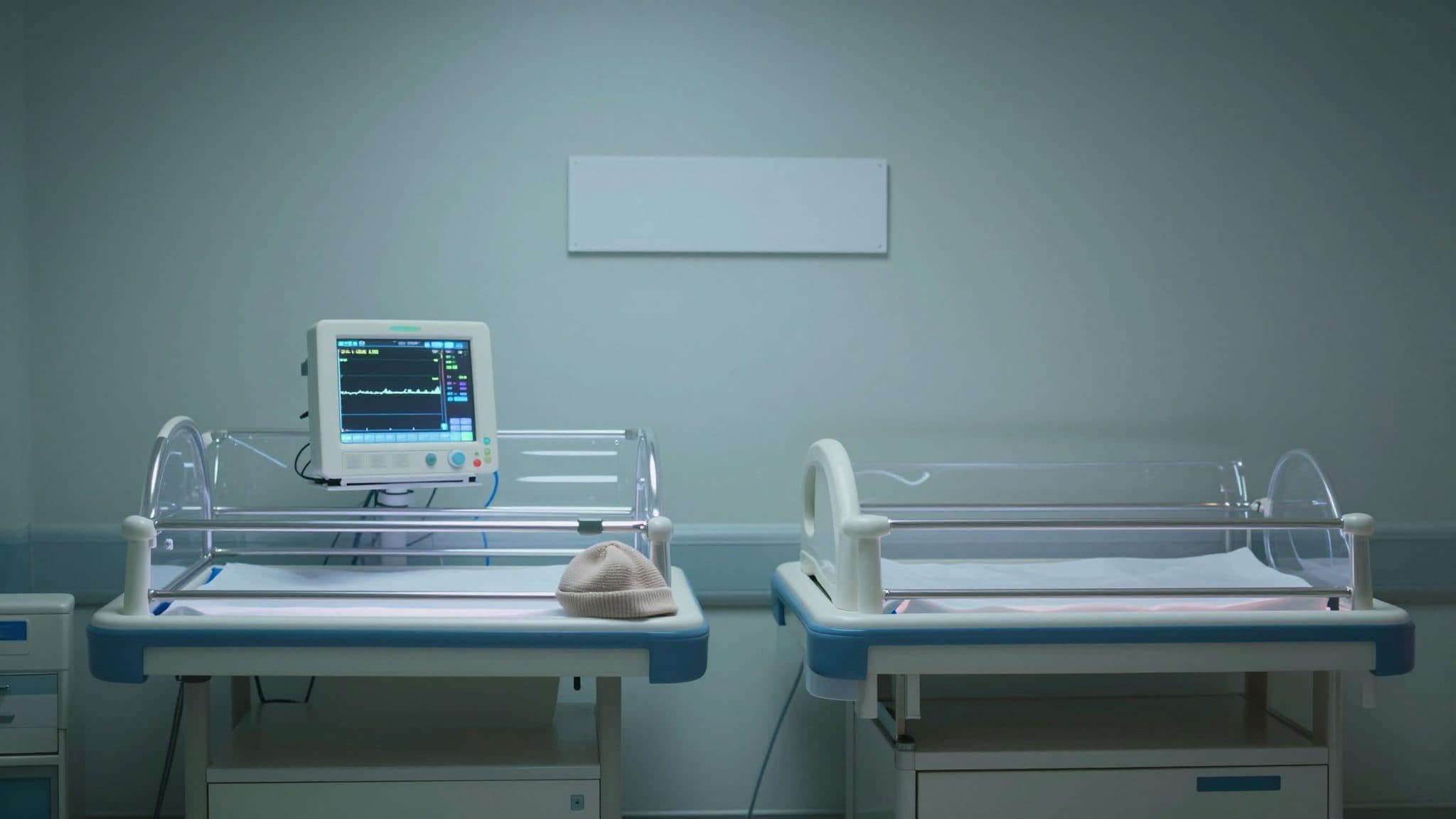
AI-generated image (z-image via Kie.ai)
Summary
A long-term study by the University of Warwick with 416 participants from Bavaria shows that slightly more than half of children born very early or with very low birth weight later cope well in adulthood. However, around one in five of this group struggles in adulthood with problems in the areas of finances, friendships and romantic relationships.
Coventry, 21 July 2026
A 34-year-long study by the British University of Warwick with 416 participants from Bavaria shows that the majority of people born very prematurely or with very low birth weight lead fulfilling lives as adults.
Data basis and study design
For the study, the researchers observed for 34 years primarily the social development of people who were born very early or with low weight. About half of the 416 participants were preterm infants born before the 32nd week of pregnancy or with a birth weight below 1,500 grams. The results were published in the journal "JAMA Paediatrics" and, according to the researchers, rank as one of the longest investigations of this kind worldwide.
Elif Gönen from the Institute of Psychology at the University of Warwick said: „Unsere Daten zeigen, dass etwas mehr als die Hälfte der sehr frühgeborenen oder mit sehr geringem Geburtsgewicht geborenen Kinder in den Bereichen Risikovermeidung, Wohlstand und soziale Beziehungen eine optimale Funktionsfähigkeit aufwiesen." This group thus performs comparatively well in several central areas of life, even though the values are below those of peers born at term.
Results: Majority cope well
At the same time, the study shows that about one in five adults from this group struggles with significant difficulties later in life. Specifically, around 20 percent of those born very early or with very low birth weight report problems dealing with money, friendships and romantic relationships. Among people born at term, this proportion is only about 1.5 percent, according to the study.
The head of the investigation is Dieter Wolke, who has long conducted research at the University of Warwick and previously worked for many years in Munich. Wolke emphasized that the results can indeed be transferred to Germany as a whole. The medical facilities and the organization of newborn care are comparable throughout Germany, said Wolke.
Wolke: Results transferable to Germany as a whole
Wolke also pointed to a considerable minority that continues to struggle with real difficulties. „Es gibt jedoch eine beträchtliche Minderheit, die nach wie vor mit echten Schwierigkeiten zu kämpfen hat. Und diese Menschen berichten uns, dass ihr Leben schwer und nicht besonders erfüllend sei", he explained with regard to a portion of those affected.
As the medically decisive factor for later quality of life, the researchers cite intelligence quotient. Earlier studies referenced in the article had found that IQ drops by an average of 2.3 points per week before the 33rd week of pregnancy. In the team's view, this connection explains a large part of the differences between adults born preterm and at term.
Intelligence quotient as a key factor
Overall, the scientists assess the survival chances and later quality of life of preterm infants as significantly better than decades ago. Thanks to modern medical possibilities, children born early today have significantly higher survival chances than in the past. The new study shows that this progress is also reflected in the life courses of those affected.
The authors recommend paying greater attention to cognitive development in early childhood. If society and the healthcare system focus specifically on supporting very early-born children, more of those affected could benefit in the long term from a fulfilling adult life. The study provides an empirical basis for this, built up over 34 years.
Implications for early support
A look beyond Germany is also part of the analysis. Wolke pointed out that neonatal care in Germany lags behind countries such as Finland in international comparison. This gap may also be reflected in the life chances of children born very early and offers starting points for political and medical improvements.
For affected families, the findings represent interim results that, while encouraging, should not obscure the risks. While the majority of preterm infants make the leap into an independent, socially integrated adult life, a relevant minority continues to rely on support — for example, with financial matters, building stable friendships, or finding a romantic partnership.
International comparison with Finland
The breadth of the life domains examined makes the study particularly meaningful. Alongside classic health data, the researchers recorded indicators for risk avoidance, financial stability and the quality of social relationships. This holistic approach allows a nuanced picture of the lived reality of former preterm infants to be drawn, going far beyond purely medical metrics.
For the affected age cohort from Bavaria, born in the 1980s and early 1990s, the medical framework conditions were different from today. Nevertheless, conclusions about the effectiveness of early support can be drawn from their life courses. At the same time, the researchers point out that preterm infants born today are likely to benefit from further improved therapies.
Significance for affected families
The study is consistent with a growing number of investigations that emphasize the long-term resilience of former preterm infants. It shows that a difficult starting condition does not necessarily determine the further course of life. The prerequisite, however, is that medical care, families and educational institutions support these children early and over the long term.
Overall, the Warwick investigation delivers a sober but encouraging picture: Most former preterm infants find their way into an independent life. For the minority struggling with lasting difficulties, the team sees considerable need for targeted support — from early intervention through school accompaniment to assistance in adulthood.
Publication in "JAMA Paediatrics" underscores the scientific significance of the results. It is also likely to play a role in the political debate about the future of neonatal care in Germany, particularly with regard to the gap to front-runners such as Finland.
The Deutsche Presse-Agentur (dpa) reported on the study. The full scholarly article is accessible via the link to the research group provided in the report.
Questions & Answers
Who led the long-term study on preterm infants?
The study was led by Dieter Wolke, who conducts research as a professor at the British University of Warwick and previously worked for many years in Munich.
How many people took part in the investigation?
A total of 416 people took part in the investigation, of whom about half were born before the 32nd week of pregnancy or with a birth weight below 1,500 grams.
Which problems occur more frequently in adults who were born preterm?
Around 20 percent of adults born very early or with very low birth weight report problems with money, friendships and romantic relationships, whereas this proportion is only about 1.5 percent among those born at term.
Premature baby study Warwick: Good chances of a fulfilling | allfacts360