FREE
At least 82 miners died in a gas explosion at a coal mine in China's Shanxi Province. Rescue operations are ongoing, with nine people still missing and the cause of the accident under investigation.
Qinyuan County, 23 May 2026
A gas explosion at a coal mine in China's Shanxi Province has killed at least 82 people, with rescue operations continuing for nine missing miners.
The accident occurred on Friday evening in the Liushenyu coal mine in Qinyuan County, a major coal-producing region in northern China. At the time of the explosion, 247 miners were underground.
Initial reports indicated 157 miners were brought to the surface, including four fatalities. However, the death toll later rose to 82 as rescue teams reached deeper sections of the mine where dangerous levels of carbon monoxide were detected.
Chinese President Xi Jinping has ordered authorities to spare no effort in the rescue operation and provide care for the injured. He also called for a thorough investigation into the cause of the accident.
Shanxi Province is one of China's primary coal production centers, supplying energy for the country's rapid industrialization. The industry has seen repeated safety incidents despite government efforts to improve conditions.
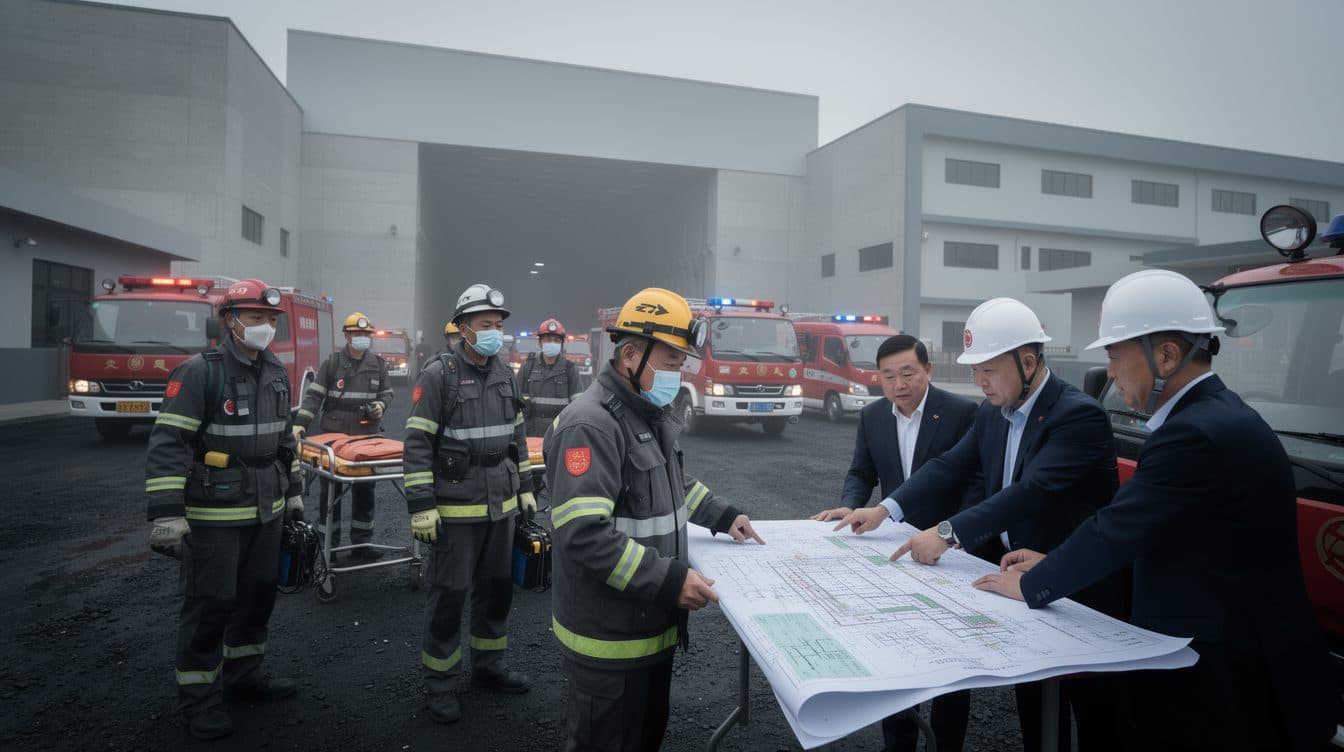
Rescue teams continue to search for nine missing miners, though conditions remain dangerous due to unstable structures and toxic gas levels in the mine. Specialized equipment and medical teams have been deployed to the site.
The exact cause of the explosion remains unclear, though initial reports suggest a gas buildup may have been responsible. Mine safety experts are examining the site for evidence of safety violations or equipment failures.
This marks one of China's deadliest mining accidents in recent years. The country has struggled to balance its massive energy needs with worker safety in its extensive coal mining operations.
Local hospitals have been placed on emergency standby to treat injured miners. Psychological support teams are also being organized for survivors and families of victims.
The Chinese government has announced it will conduct safety inspections at all major mines in Shanxi Province following the disaster. Previous accidents have led to similar crackdowns, though enforcement has sometimes been inconsistent.
International mining safety organizations have offered technical assistance to Chinese authorities. The International Labour Organization has reiterated calls for improved safety standards in global mining operations.
Families of victims have begun gathering near the mine site, with some expressing frustration over the lack of information about their loved ones. Local officials have promised transparent updates as the situation develops.