FREE
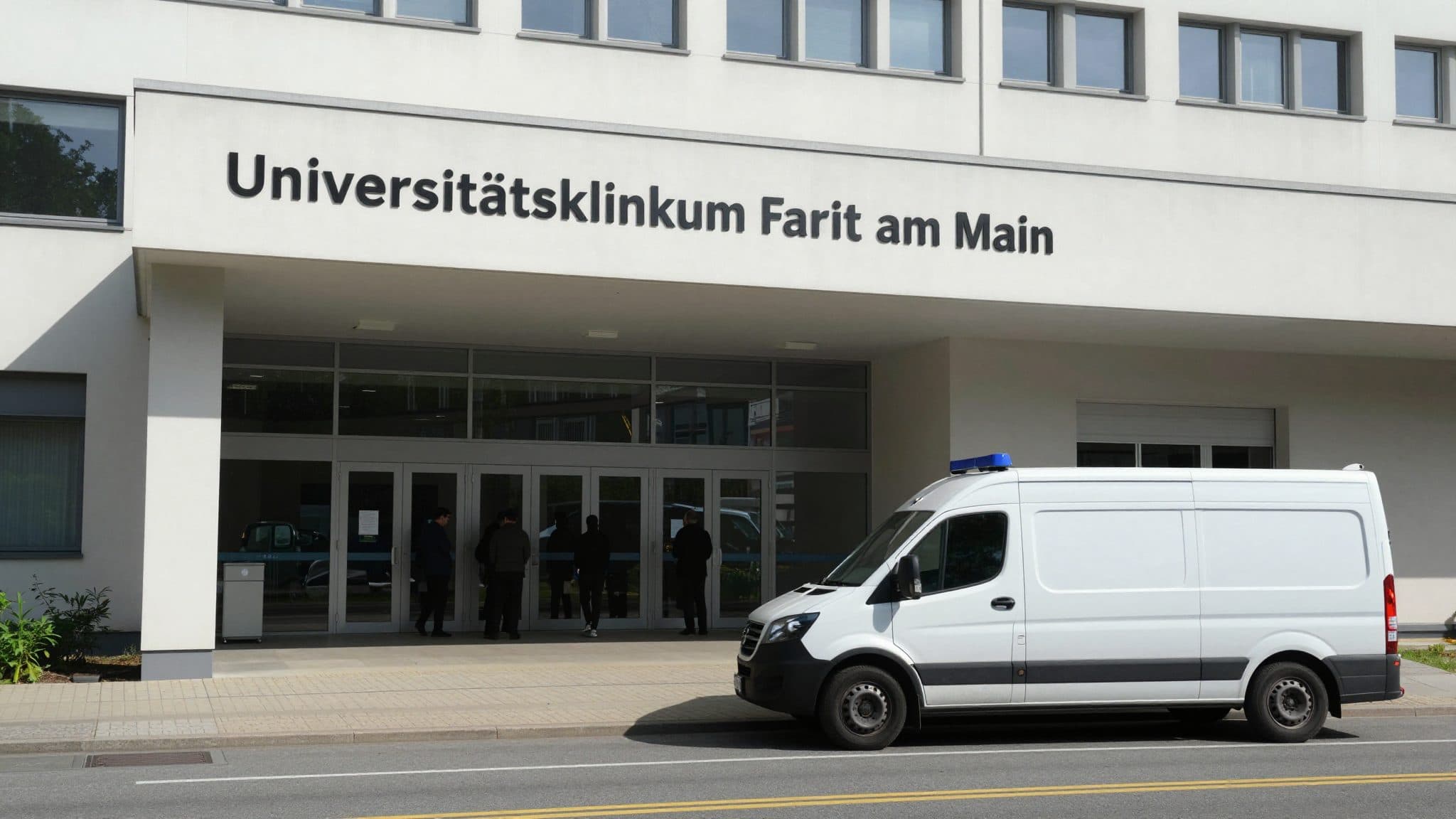
A US American Ebola patient has left the University Hospital Frankfurt am Main fully recovered after approximately two weeks of treatment. He is already the second Ebola patient from the US to be successfully treated in Germany.
Frankfurt am Main, July 28, 2026
A US American patient who had been infected with the Ebola virus in the Democratic Republic of Congo was discharged healthy on Tuesday from the University Hospital Frankfurt am Main after approximately two weeks of treatment.
The University Hospital Frankfurt am Main announced that the man was able to leave the special isolation ward on Tuesday "fully recovered" and "free of symptoms." According to the hospital, the patient had been admitted to the clinic on July 13 and had been cared for on a special isolation ward since then.
Just a few days after admission, the seriously ill patient had been stabilized with supportive measures, after which his symptoms improved. This marks the second time that an Ebola patient originating from the US who had been infected in the Democratic Republic of Congo has been successfully treated in Germany.
The first US patient had been brought to Germany in May and treated at the Berlin Charité. According to the Frankfurt clinic, it was only at the beginning of the previous month that a first Ebola patient had been discharged healthy from a hospital. His wife and four children from Congo were later also brought to Berlin.
In the past, an Ebola case had already been successfully treated in Frankfurt am Main. According to the clinic, Germany has a total of seven special isolation wards, including in Frankfurt, Berlin, Hamburg, and Munich. These facilities are specialized in the care of patients with highly dangerous pathogens.
The background to the case is the current Ebola epidemic in the Democratic Republic of Congo. According to official figures, more than 3,000 infections have so far been registered in the Central African country. Some 1,300 to 1,400 of those infected died from the highly contagious disease.
According to experts, the pathogen is transmitted through direct contact with bodily fluids of infected persons, such as blood, saliva, or vomit. Transmission through the air is considered impossible. According to the information, the bodies of deceased Ebola victims are also particularly contagious, which is why the virus is often passed on during funerals.
Initial symptoms of an Ebola infection include fever, weakness, headaches, and muscle pain. As the illness progresses, diarrhea, vomiting, and internal bleeding may occur. Ebola is a severe viral illness that is frequently fatal.
According to the facts, the current outbreak involves the rare Bundibugyo variant of the virus, which was first detected in 2007. According to the available information, neither an approved vaccine nor a targeted therapy exists against this variant. Treatment is therefore limited to supportive measures to stabilize the patient.
In parallel, the Ugandan government had declared the Ebola outbreak in its own country over. Uganda's Health Minister Baryomunsi stated: "Der letzte Patient sei am 16. Juni entlassen worden." This meant that the 42 days without a new infection had passed, after which an outbreak is considered over.
The World Health Organization considers an Ebola outbreak over after 42 days without new infections. The German example shows that highly specialized medical care combined with consistent isolation can significantly improve survival chances, even when no specific drugs or vaccines are available.
The Frankfurt University Hospital is one of the few facilities in Europe that has the necessary infrastructure to treat patients with life-threatening hemorrhagic fevers under the highest safety standards. The staff is specially trained, and the isolation rooms have their own ventilation and filtration systems.
For the patient from the US, the discharge after nearly two weeks of isolation marks the end of a stressful phase. After his departure from Congo, he had been transported to Frankfurt under strict protective measures and immediately placed on the special isolation ward there.
The case also illustrates the ongoing danger posed by Ebola outbreaks in Central Africa. Despite progress in containing individual outbreaks, the region remains vulnerable to epidemics, especially since effective countermeasures against the Bundibugyo variant are still lacking.
Medical professionals worldwide see the successful treatment in Frankfurt as confirmation that early isolation, intensive supportive therapy, and specialized infrastructure can significantly reduce mortality from Ebola. The experiences of recent years have helped to continuously improve treatment protocols.