More than 4,100 Dead After Double Earthquake in Venezuela – Tens of Thousands Considered Missing
Caracas, July 11, 2026
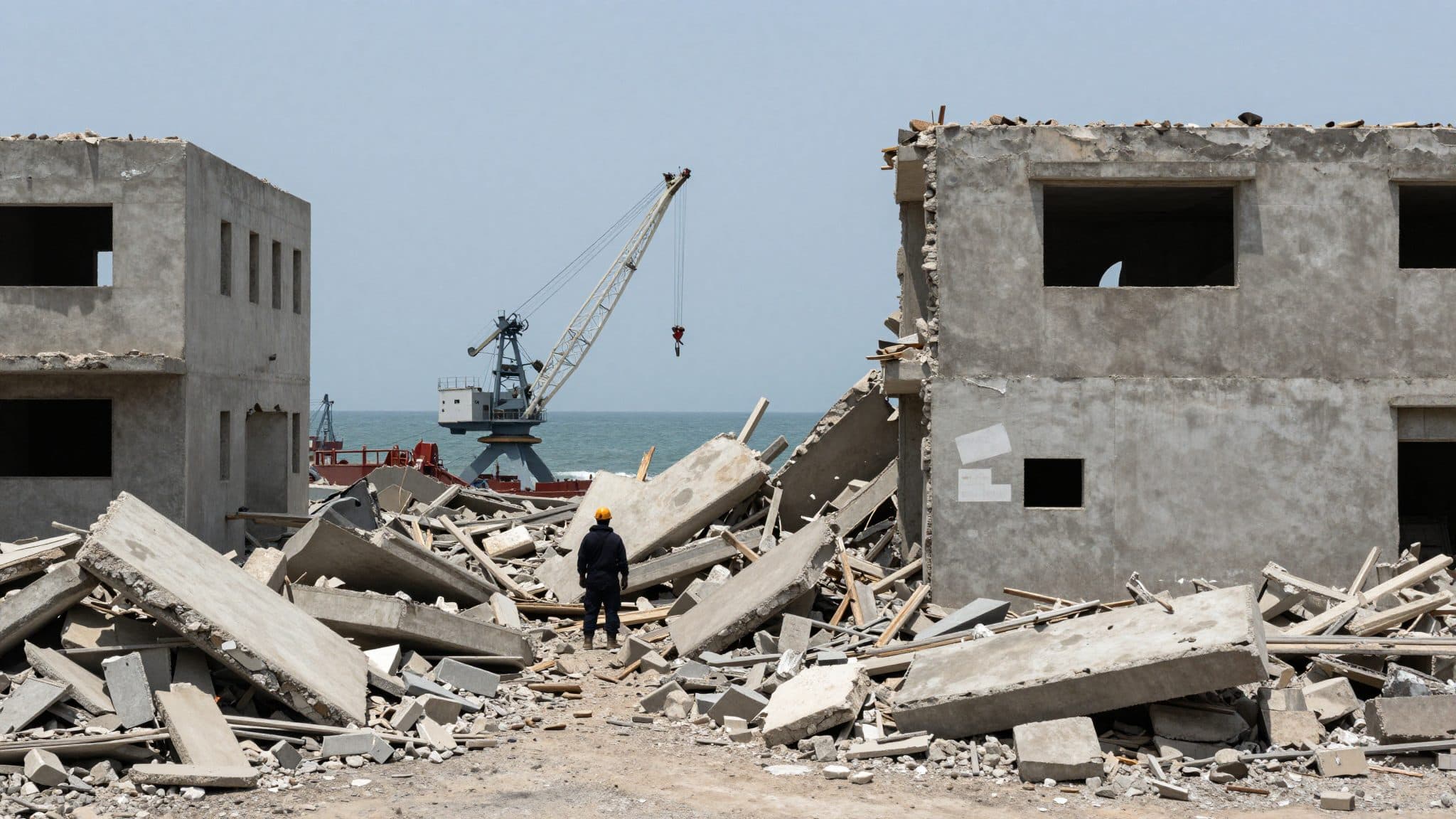
AI-generated image (z-image via Kie.ai)
Summary
A little over two weeks after the severe double earthquake in Venezuela, the number of confirmed fatalities has risen to 4,118. According to UN estimates, up to 50,000 people may be missing, while the government in Caracas continues to provide no precise figures on the number of missing persons.
Caracas, July 11, 2026
A little over two weeks after two severe earthquakes of magnitudes 7.2 and 7.5 in Venezuela, the number of confirmed fatalities has risen to 4,118 according to the government in Caracas, while the United Nations estimates the number of missing persons at up to 50,000.
The disaster occurred on June 24, when two powerful earthquakes struck the South American country just 39 seconds apart. According to seismologists, the first quake reached magnitude 7.2, and the second followed just seconds later with a magnitude of 7.5. The double quakes hit an already strained region and caused severe damage to buildings, roads, and infrastructure.
The hardest-hit area is the state of La Guaira, located north of the capital Caracas, with the port city of the same name. Most of the confirmed fatalities come from this region. Rescue workers continued to search the rubble for survivors more than two weeks after the quakes, while hopes of finding more survivors faded.
Epicenter in La Guaira
Parliamentary President Jorge Rodríguez, brother of the acting head of government, shared the updated casualty figures on Friday via the platform X. According to these figures, 4,118 deaths have now been confirmed. Authorities also assume 16,740 injured who have needed or still need medical care.
In addition to the dead and injured, the disaster has left tens of thousands of people homeless. According to official estimates, nearly 18,000 people lost their homes in the disaster. Many families are enduring conditions in emergency shelters, while the supply of food, drinking water, and medicine in the affected areas remains difficult.
The exact number of missing persons remains unclear. According to United Nations estimates, the number of missing could be as high as 50,000. Other estimates put the figure closer to 10,000. However, the government continues to provide no figures on the precise number.
Unclear Number of Missing Persons
The discrepancy between the estimates highlights the difficulties in assessing the situation. While the government in Caracas regularly updates the confirmed death toll, a complete picture of the fate of thousands of people who have been considered missing since the quakes is still lacking.
International aid organizations have pledged their support, but access to some of the hardest-hit areas remains difficult. Landslides had blocked roads, and communication with remote communities was temporarily interrupted. Only gradually were aid workers able to reach remote villages.
Venezuela's economic situation further aggravates the consequences of the disaster. The country has been mired in a deep economic and supply crisis for years, complicating relief efforts. Critics accuse the government of having communicated the crisis too late and inadequately.
Humanitarian Situation and International Aid
Meanwhile, concerns are growing about the psychological consequences of the disaster. Survivors report panic and despair in the hours after the quakes, when many people fled into the streets in panic. Children and the elderly are particularly affected, as many of them have lost family members.
The seismic activity in the region is attributable to Venezuela's location at the boundary between the Caribbean Plate and the South American Plate. Earthquakes are not uncommon in this part of the continent, but quakes of this magnitude in such quick succession are extraordinary and pose particular challenges for the authorities.
The government has requested international assistance, including support in the search for missing persons and the recovery of the dead. Specialized rescue teams from several countries are already deployed or have announced their arrival. The coordination of relief efforts is being handled through the national civil defense agencies.
Political Dimension of the Disaster
The news of the rising death toll was broadcast on July 11, 2026 on the Deutschlandfunk program and spread rapidly through international news agencies such as APA and AFP. The reporting focuses on the humanitarian consequences of the disaster and the challenges in coping with them.
Citizens in the affected areas have begun to organize themselves. Neighborhood assistance and spontaneous collection drives for food and clothing have sprung up in several cities. These grassroots initiatives complement the official relief efforts and demonstrate solidarity among the population.
The coming weeks will be decisive in determining whether the number of missing persons can be further narrowed down. Authorities are relying on improved search methods and the use of modern technology to search for survivors or victims even in hard-to-reach areas.
Parallel to the humanitarian crisis, the disaster also poses a political stress test for the government in Caracas. Managing the aftermath of the double earthquake is considered one of the greatest tests for the acting head of government and her brother, Parliamentary President Jorge Rodríguez, during the current term of office.
Outlook for the Coming Weeks
The international community is watching the situation with great attention. Several countries have signaled their willingness to support the relief efforts with additional resources. The United Nations has pledged its support in coordinating the relief measures.
The memory of earlier earthquakes in the region, such as the 2010 quake in Haiti, underscores the urgency of swift and coordinated assistance. Venezuela faces the task of combining immediate emergency relief with the long-term reconstruction of the destroyed infrastructure.
As the search for missing persons continues, grief is growing in the affected communities. Many families still have no certainty about the fate of their loved ones. The uncertainty about the number of missing – between 10,000 and 50,000 according to various estimates – places an additional burden on the population.
The coming days and weeks will show whether the relief measures take effect and whether the number of confirmed fatalities continues to rise. The government has announced that it will regularly inform the public about new findings, while international observers are calling for transparent and complete reporting.
Questions & Answers
What is the current death toll from the earthquake in Venezuela?
According to Parliamentary President Jorge Rodríguez, 4,118 deaths have now been confirmed. The government is regularly updating the figures as search operations in the rubble continue.
How many people are considered missing after the double earthquake?
The United Nations estimates that up to 50,000 people may be missing, while other estimates assume around 10,000 missing. The government in Caracas has so far not released an exact number of missing persons.
Which area in Venezuela is most affected by the earthquakes?
The hardest-hit area is the state of La Guaira, north of the capital Caracas, with the port city of the same name. Most of the confirmed fatalities come from this region.
Venezuela Earthquake: 4,118 Dead and Tens of Thousands | allfacts360